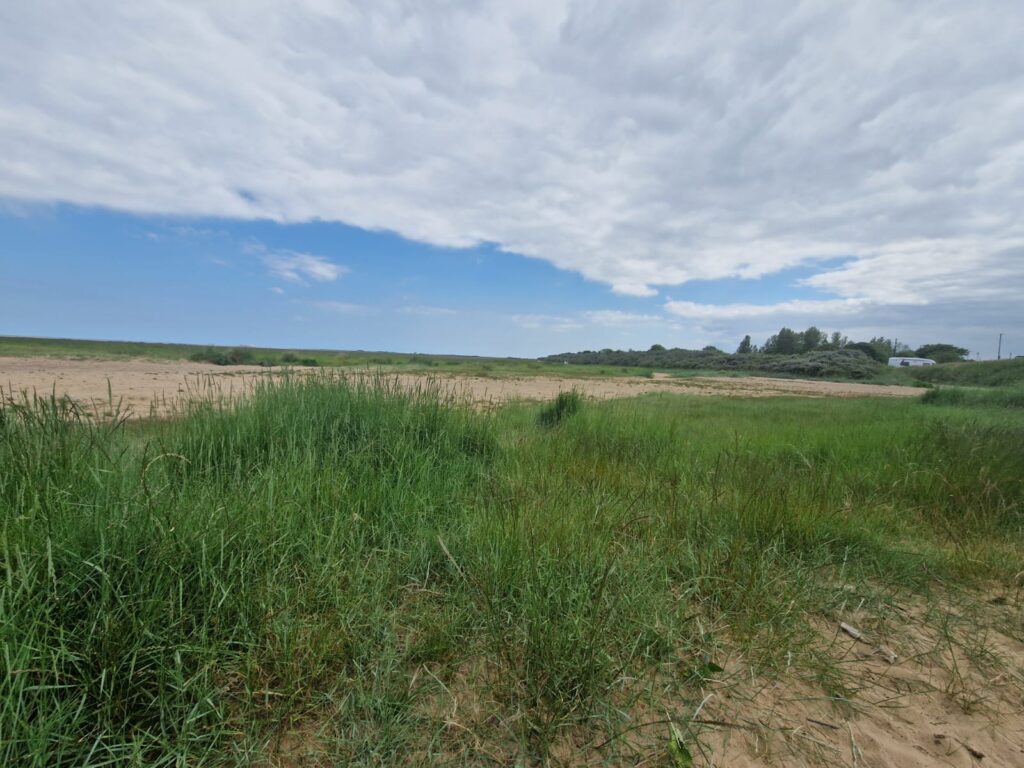
World Sand Dune Day 2026 takes place this Saturday 27 June. This is an opportunity to recognise and celebrate these important and protected habitats on the North East Lincolnshire coastline.
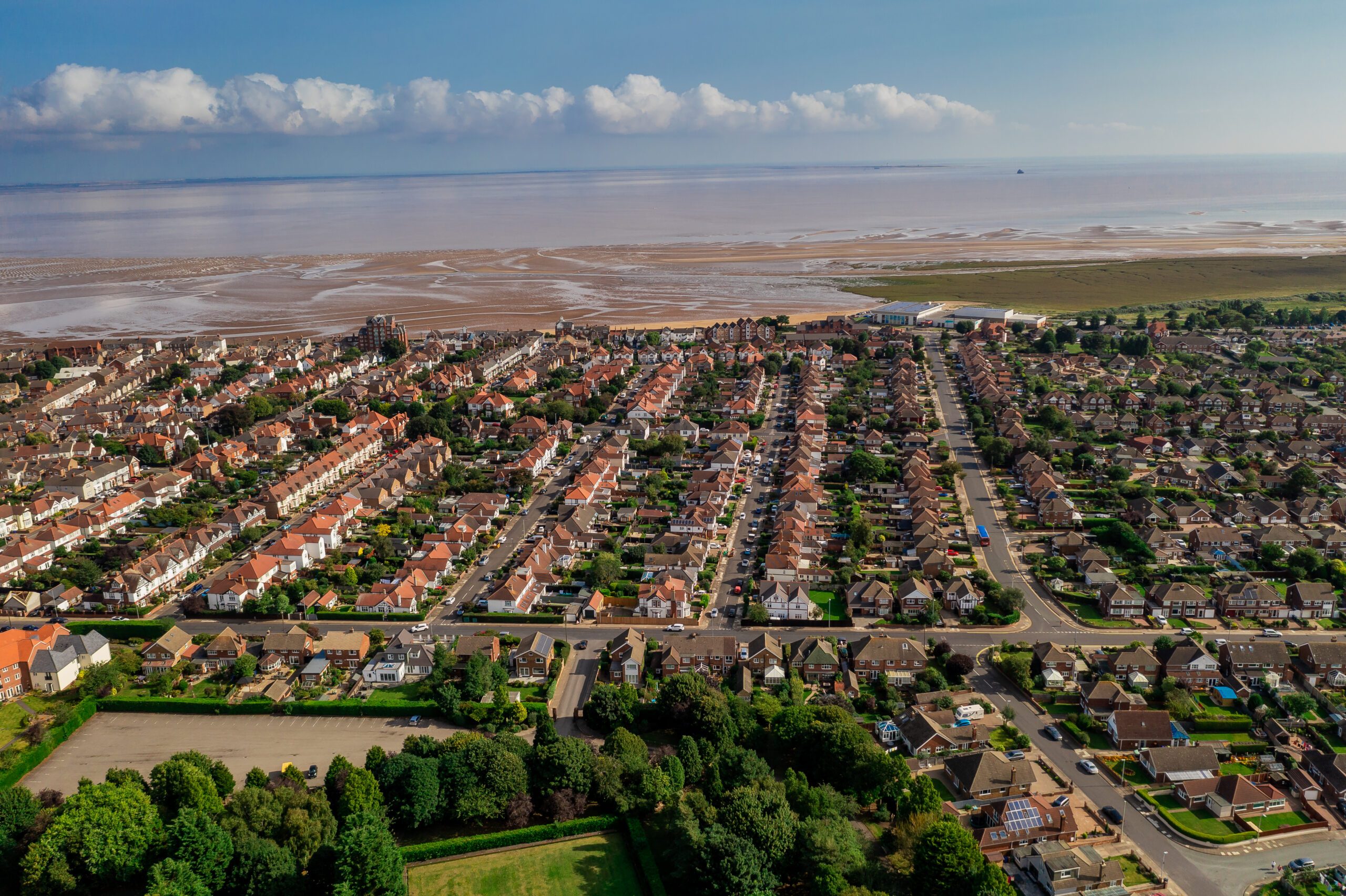
The event coincides with Armed Forces Day in Cleethorpes. With thousands expected to visit our resort, it is a perfect time to remind people of the importance of our local natural heritage.
As temperatures are set to stay high this weekend, visitors are also encouraged to take simple precautions to stay safe while enjoying the coast. Try to keep out of direct sunlight during the hottest part of the day (11am–3pm), drink plenty of water to stay hydrated, and wear light, loose-fitting clothing. Never leave children or pets in parked cars, and ensure pets have access to shade and fresh water. Sunscreen and hats are strongly recommended if you are outdoors.
The sand dunes south of Cleethorpes Leisure Centre form part of Cleethorpes Local Nature Reserve. This area is recognised as a Site of Special Scientific Interest (SSSI) for the diversity of plant and animal life there. North East Lincolnshire Council manages this area to ensure a good mixture of habitat is available. Globally, coastal sand dunes are threatened habitat so we are very lucky to have such an impressive dune system on our doorsteps.
World Sand Dune Day was launched by Dynamic Dunescapes – a National Lottery-funded partnership set up to restore sand dunes across England and Wales for the benefit of wildlife, people and local communities. It is now managed by the Sand Dune and Shingle Network. Click here to find out more: World Sand Dune Day
Along the Cleethorpes and Humberston coast, we find great examples of how sand dunes develop. Dune systems are complex and dynamic, starting as small, mobile sandy piles before, as seen locally, they mature into wildflower-rich dune grasslands.
This process is known as dune succession which begins at the strand line, closest to the Humber Estuary. As sand is blown off the intertidal mudflats, it gets trapped by seaweed and driftwood. Small piles begin to form and are joined by pioneer species such as Marram and Lyme-grass. Their roots bind the young dunes together and small dune ridges form with sand-blown wind.
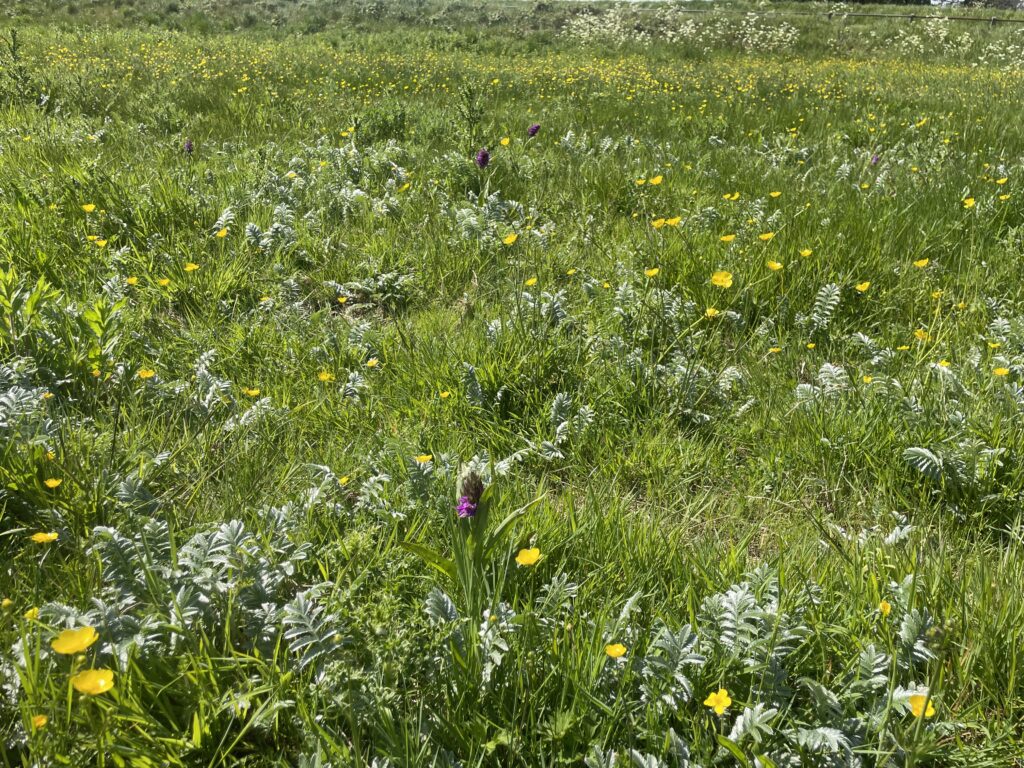
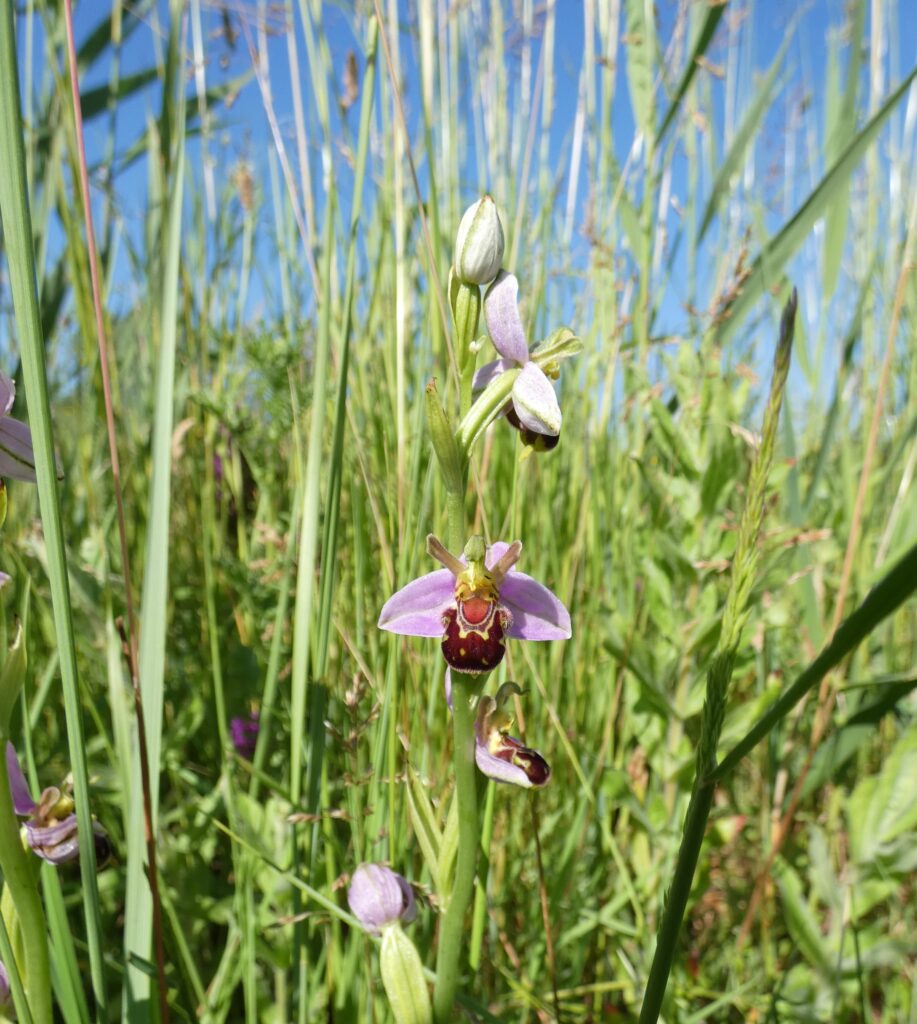
Over time, as decaying plant matter enriches the sandy soil, successor species move in and older sand dunes become fixed. With more shelter and less salty spray to contend with, our dune grasslands boast beautiful species such as Marsh and Common Spotted Orchids, Restharrow, Bird’s-foot Trefoil, Silverweed and many more.
Our coastline has changed a lot over the past 100 years. The Cleethorpes Dynamic Understanding of the Natural Environment (DUNE) Project aims to connect more people with our local natural heritage so that it is better understood, respected and enjoyed. This project is made possible with thanks to the National Lottery Heritage Fund.
Josh Forrester, Coastal Ranger for the Cleethorpes DUNE Project, said:
“The sand dunes we find along our coastline at Cleethorpes and the Humberston Fitties have a fascinating history. Forming part of the Humber Estuary European Marine Site and Cleethorpes Local Nature Reserve, we are incredibly lucky to have such a rich variety of habitats on our coast!
“We know that parts of the dune system at Cleethorpes Boating Lake date back to the 14th century, they are known as the relict sand dunes. This surviving section represents the line of the dune ridge prior to the development of the boating lake and the sea defence at Cleethorpes.
“As Coastal Ranger for the DUNE Project, I have the opportunity to connect people with our local natural heritage, highlighting its importance for our community, our economy and our wildlife. Please do join me on an upcoming guided nature walk to explore these important, fragile habitats.
“We ask that when visiting our coastline, you ensure that you keep to established paths, take any litter with you and be aware of the wildlife around you to avoid disturbance. We all have a part to play in looking after our coastline”
To find out more about the Cleethorpes DUNE Project, please visit our webpage: Cleethorpes DUNE project | NELC



Share this article