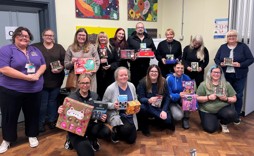
Meeting the needs of children with Special Educational Needs and Disabilities (SEND) in mainstream schools is the cornerstone to improving pupils’ outcomes, parental confidence and having financially sustainable SEND system.
Following a successful bid to participate in the Department for Educations’ Partnership for Inclusion of Neurodiversity in Schools (PINS) North East Lincolnshire Council and the Humber and North Yorkshire Health and Care Partnership (ICB) brought specialists in health and education, and expert parent carers into mainstream primary schools to:
- Help shape whole school SEND provision, that is support for every student.
- Provide early intervention.
- Provide training, workshops and engagement opportunities to parents and school staff.
- Strengthen the partnership between schools and parent carers.
Eight schools participated over the two-year project:
- Coomb Briggs Primary Academy
- Edward Heneage Primary Academy
- Lisle Marsden Church of England Primary Academy
- St. Joseph’s Catholic Primary and Nursery Voluntary Academy
- Bursar Primary Academy
- St. Mary’s Catholic Primary Voluntary Academy
- Scartho Infants School and Nursery
- Signhills Academy
The experience of parent carers, and professionals was overwhelmingly positive.
Relationships improved across the board. Parents felt heard, valued and that they were not alone. SENCOs and staff noticed stronger family-school relationships.
One parent carer said, “I’ve really felt like my voice has been heard and valued.”
Parents repeatedly praised the format stating that professionals were friendly and approachable and they were able to work together in a safe, supportive and calm environment.
One participant stated, “I felt relaxed, at ease, the information was easy to absorb.”
Reflecting the broader feedback of parents one member said, “Thank you so much…it has raised the importance of SEND in my school.”
A sample of the extensive training offer includes:
Parent carers
- Education, health and care plan for parents
- SEN Support
- Sleep support
- Autism with a demand avoidant profile
- Emotion coaching
- Understanding Neurodivergent Children and the Impact of Parenting a Neurodivergent Child
- Managing mental health difficulties in Neurodivergent children
- SEND Local Offer website
- Working together- SEND Information Report
- Emotion coaching reflection- Educational Psychology Service
- Anxiety & pathological demand avoidance
Professionals
- SEND Code of Practice/ reasonable adjustments
- Understanding Sensory Processing
- Neurodiverse conditions- awareness training
- What is ADHD
- Courageous Conversations
- SEND & Mental Health
- Autism in Women & Girls
- Inclusion by design
- Dyslexia Awareness
- Tics and Tourette’s
- EduSleep
- Understanding Myself
- Neuro-inclusive environments
Ann-Marie Matson, Director of Childrens Services at North East Lincolnshire Council said, “Our Local Authority partnership is always looking out for ways we can improve our offer for young people.
“Having a robust offer for students with additional needs in mainstream settings is crucial for their academic attainment, attendance and wellbeing.
“We’re proud of all parties involved who’ve clearly gone to great lengths to make this a success and ultimately improve outcomes for young people.
“Knowing that they can confidently advocate for their children makes the world of difference to these families.”
As well as targeted training, the feedback showed that parent carers gained a broader understanding of school processes and the wider SEND system and have a stronger understanding of the various places they can go to for support.
The PINS project has clearly made a significant impact on both parent carers and young people.
Participants consistently describe feeling informed and well supported.
Relationships between schools and families are stronger, confidence has grown, and practical knowledge has increased.
The initiative is valued not just for its information but for the emotional support, safe environment, and collaborative spirit it fosters.
Many of the workshops and training materials have been shared on the Humber and North Yorkshire Health and Care Partnership website, PINS Training – Humber TCP.




Share this article