Pier Gardens
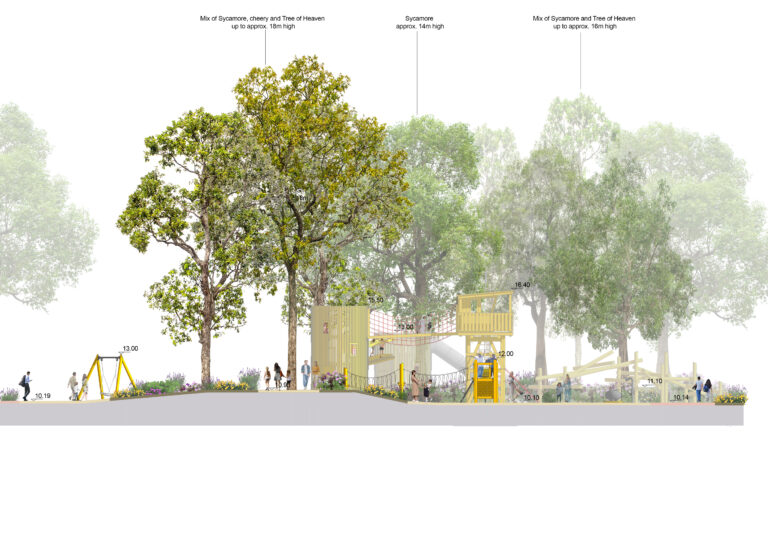
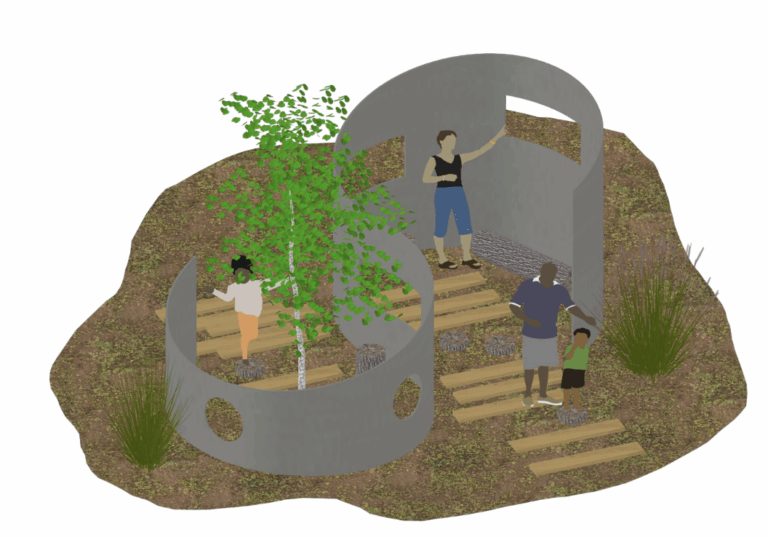
Pier Gardens is being regenerated for the future. The formal gardens are being changed to reflect modern use, and will include a small urban sports area, plenty of lawns and seating, a play area with water play, climbing structures and a learning area, and a reflective zone, which provides an area for relaxation and contemplation – seating set within naturalistic planting schemes providing year round interest – colour and smells.
This page is about the Pier Gardens project, and will be updated as it progresses.
Introduction to the Pier Gardens Project
The Site Layout
Visiting on a mobile?
Please turn your phone on its side for a better look at the latest designs.
The technical designs for Pier Gardens are below.
Arrival Zone and Performance Zone
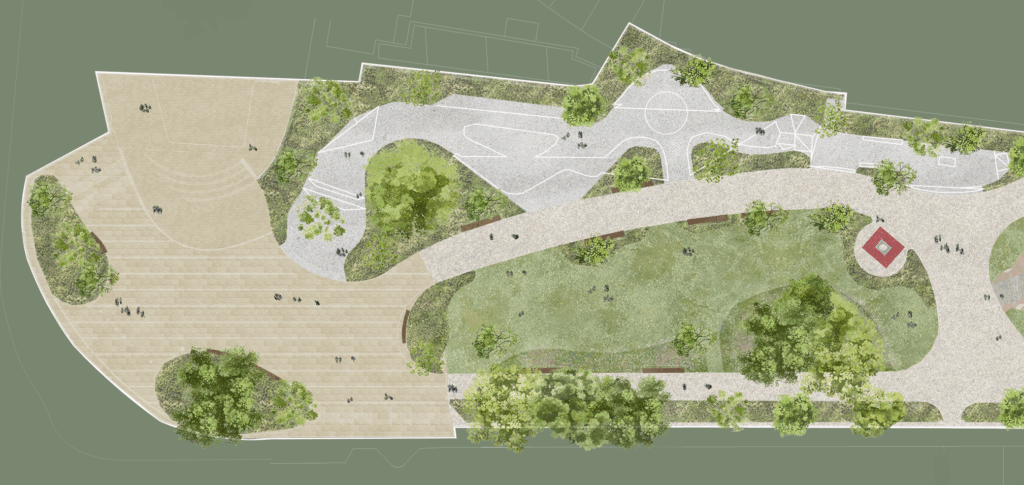
Play & Recreation
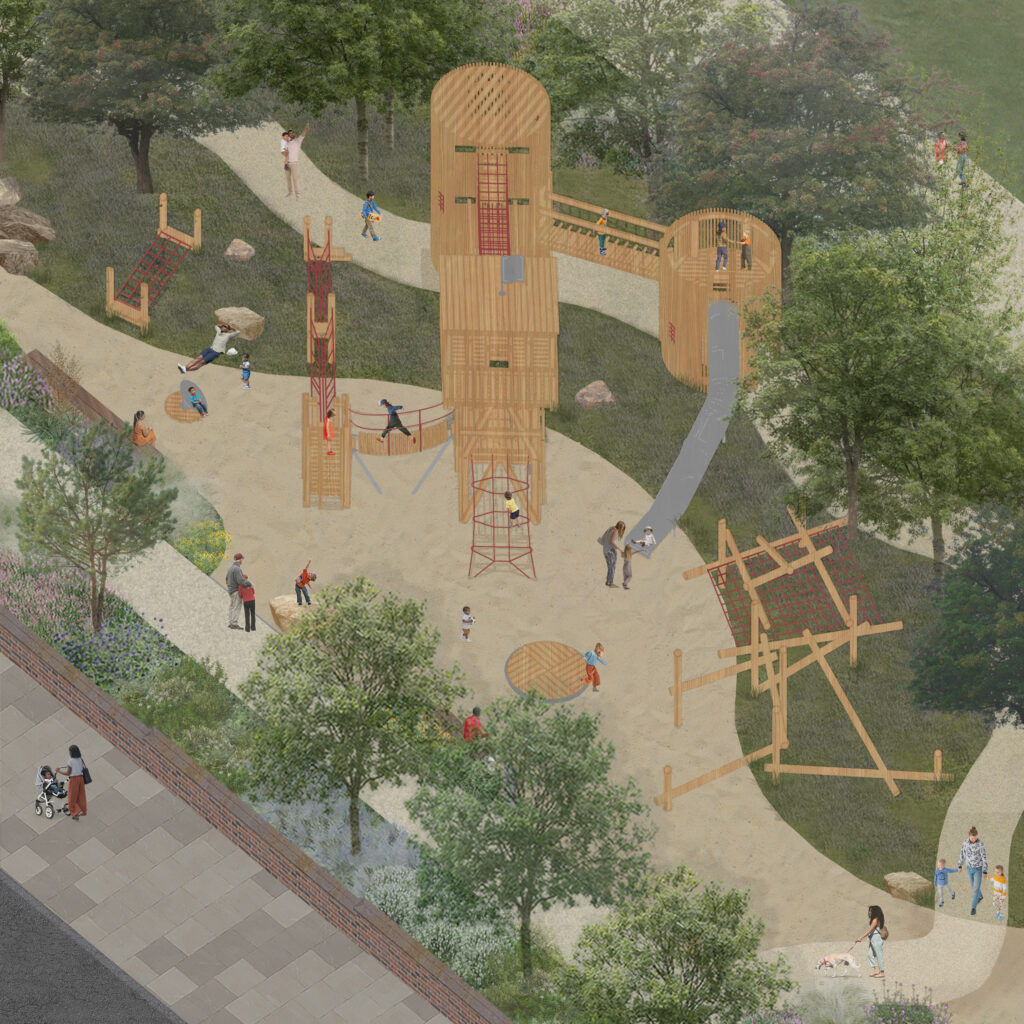
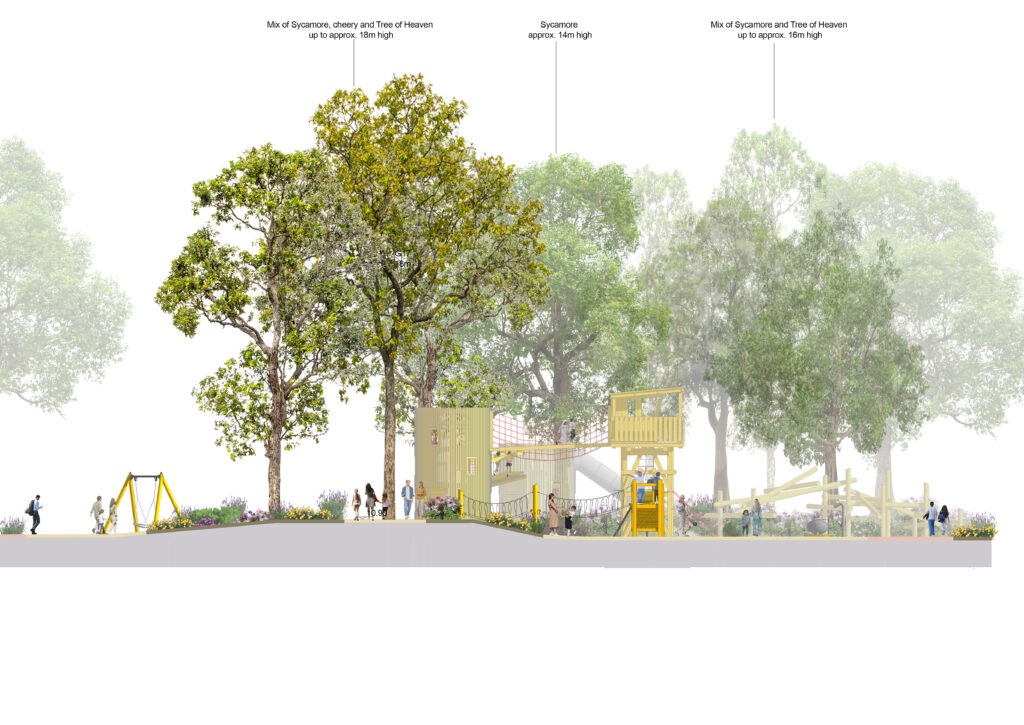
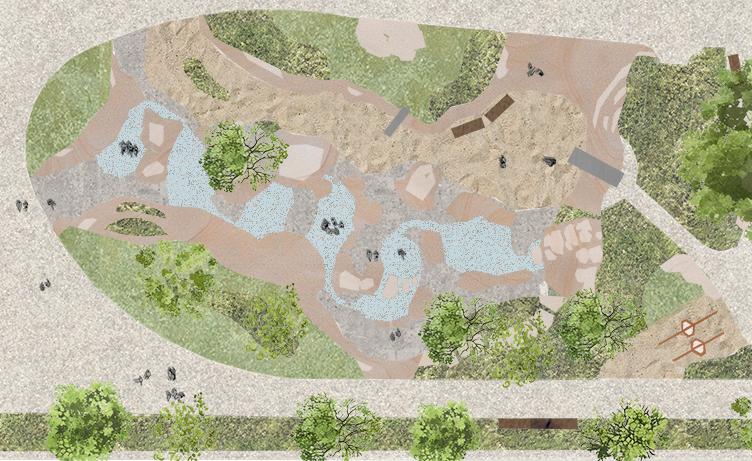
Education & Wellbeing
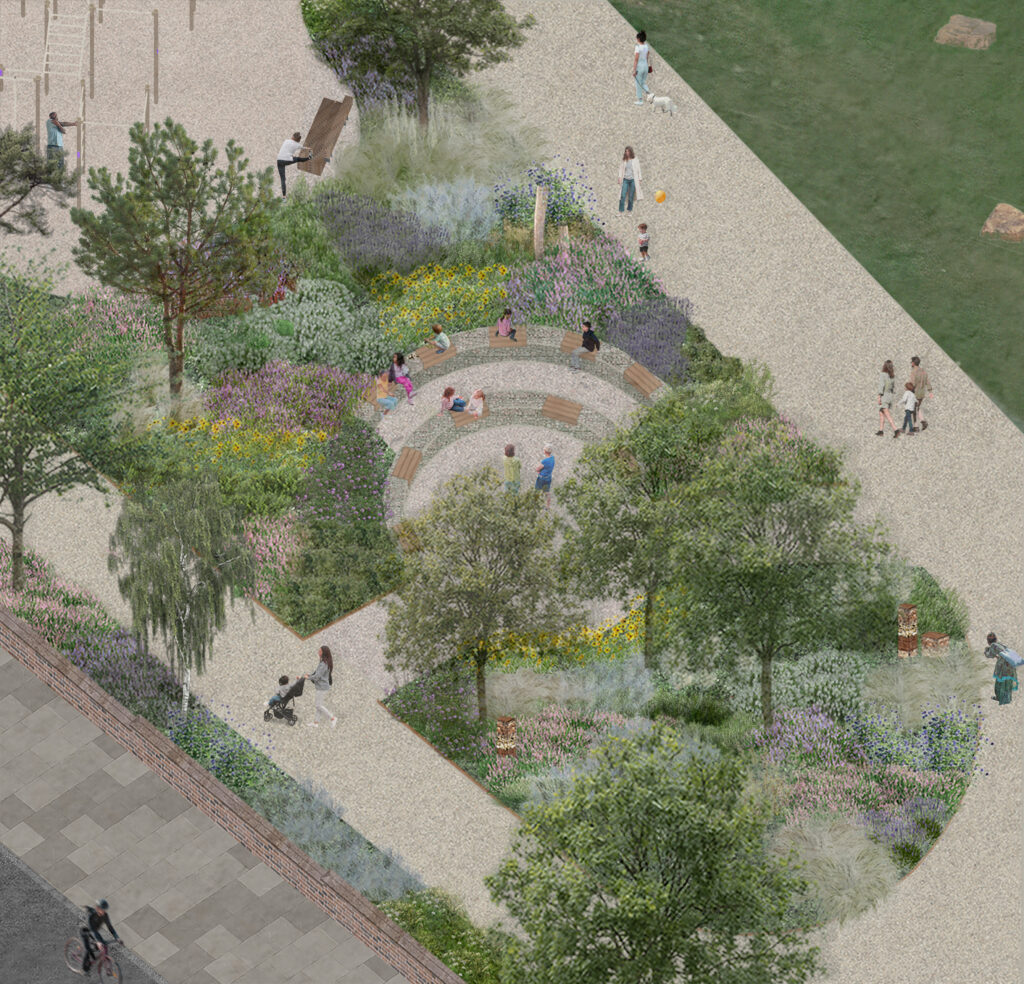
Reflection area
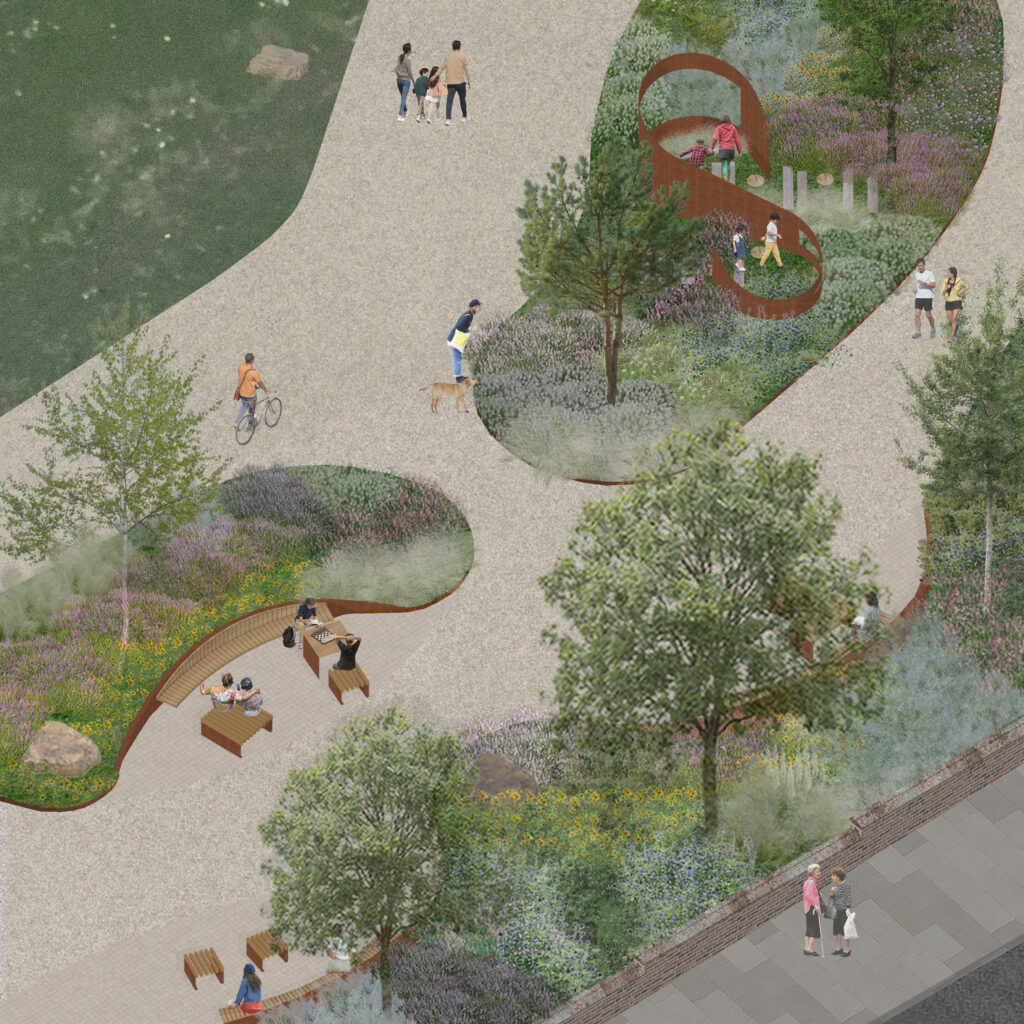
Considerations and strategies
Trees
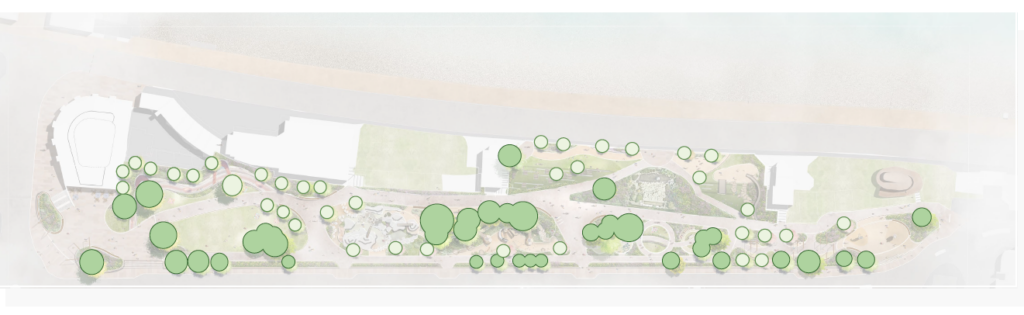
Site Servicing
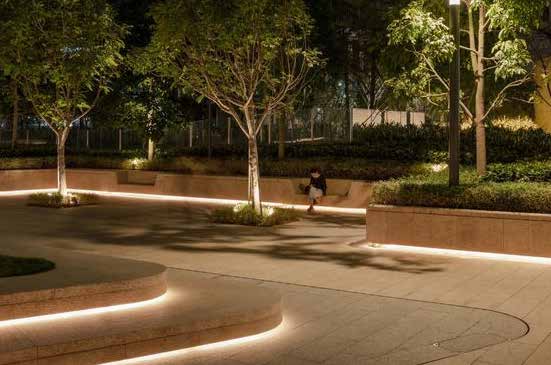
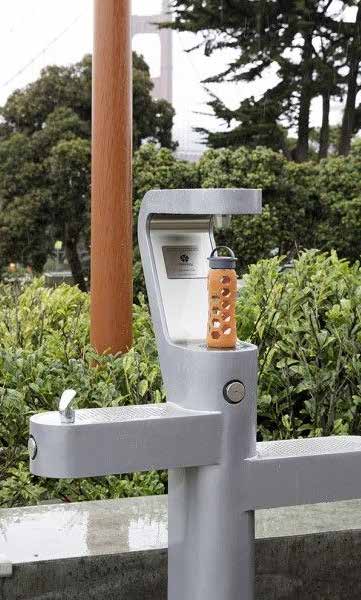
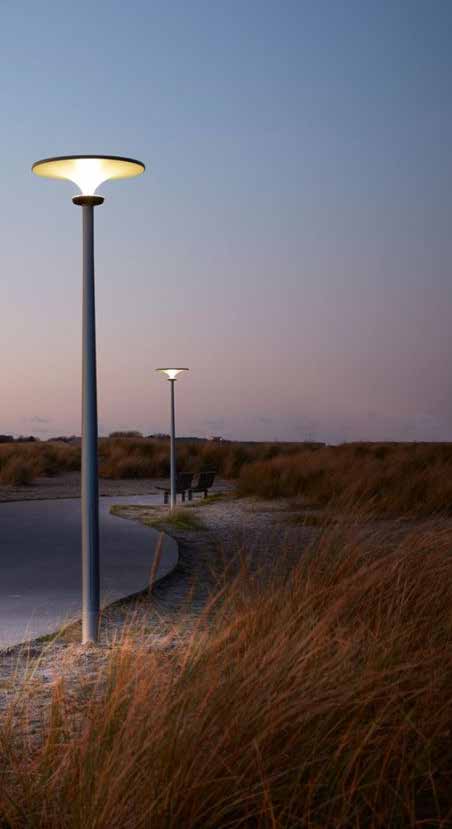
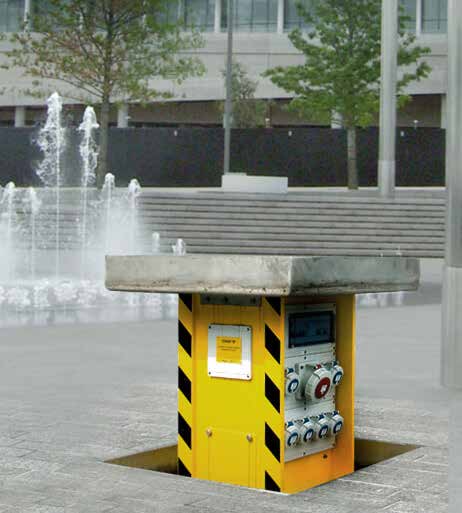
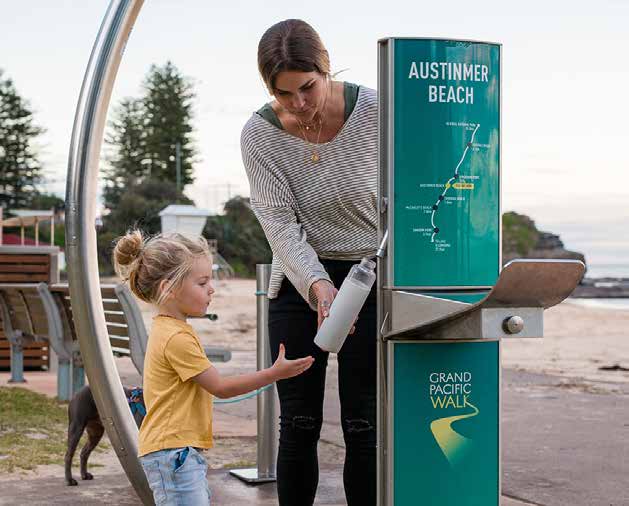
Plants
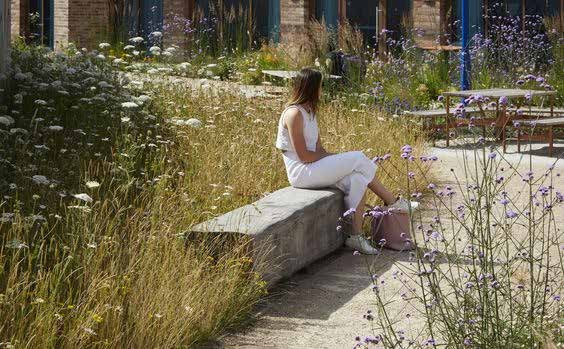
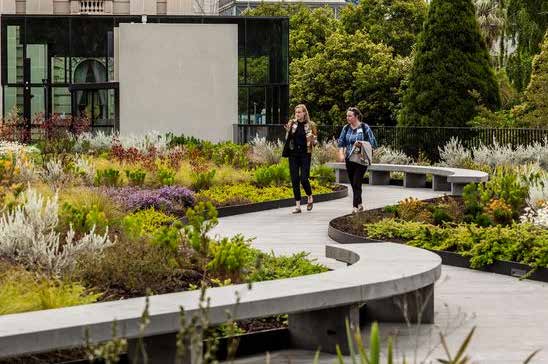
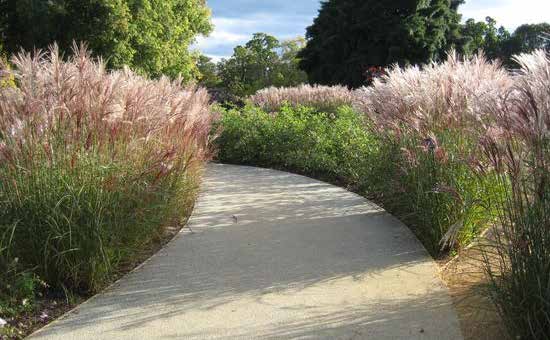
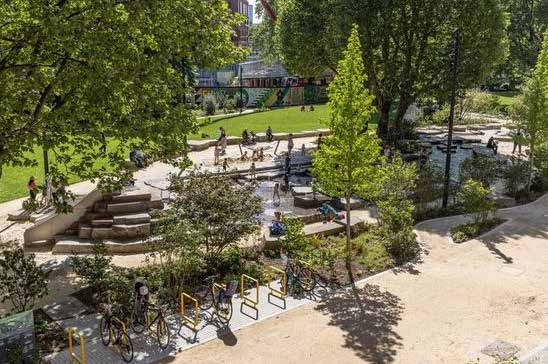
Interactive public realm
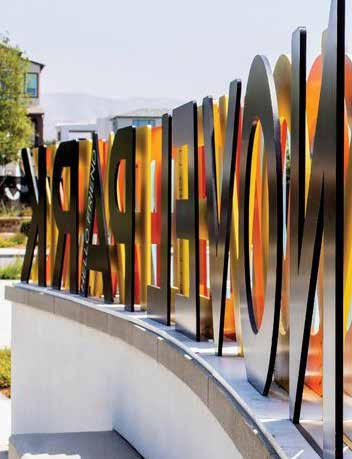
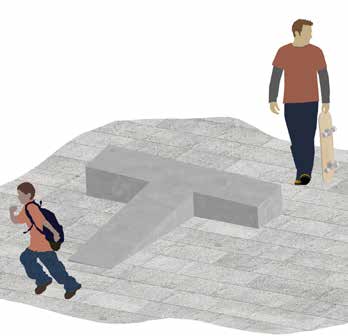
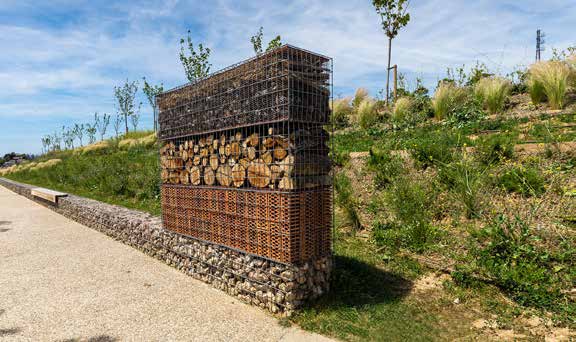
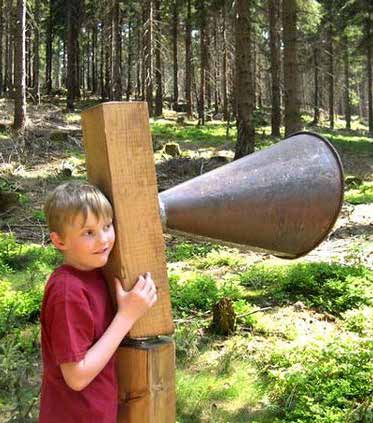
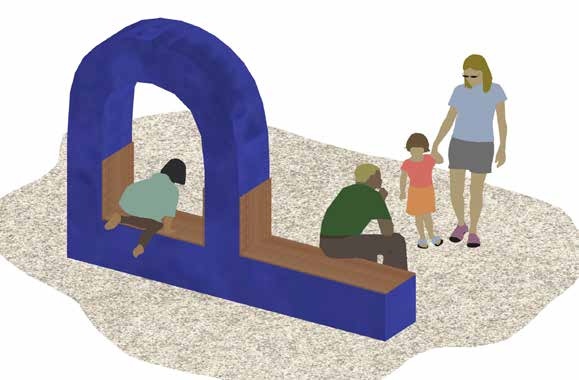
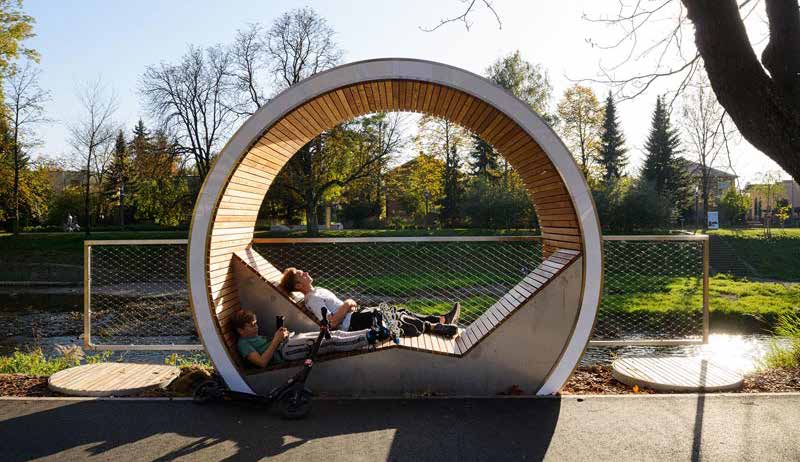
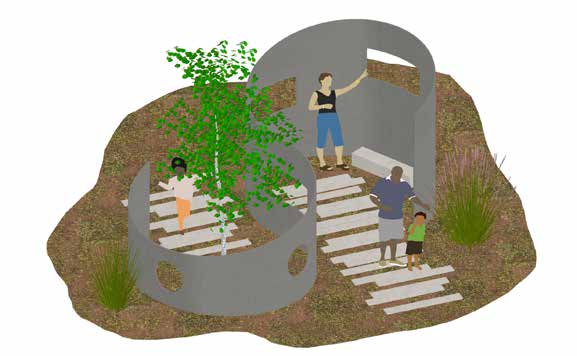
Images show precedents that have inspired the final designs.
If there are any accessibility issues, please email [email protected] who can provide you with more details on the proposals.
Video flyover Pier Gardens
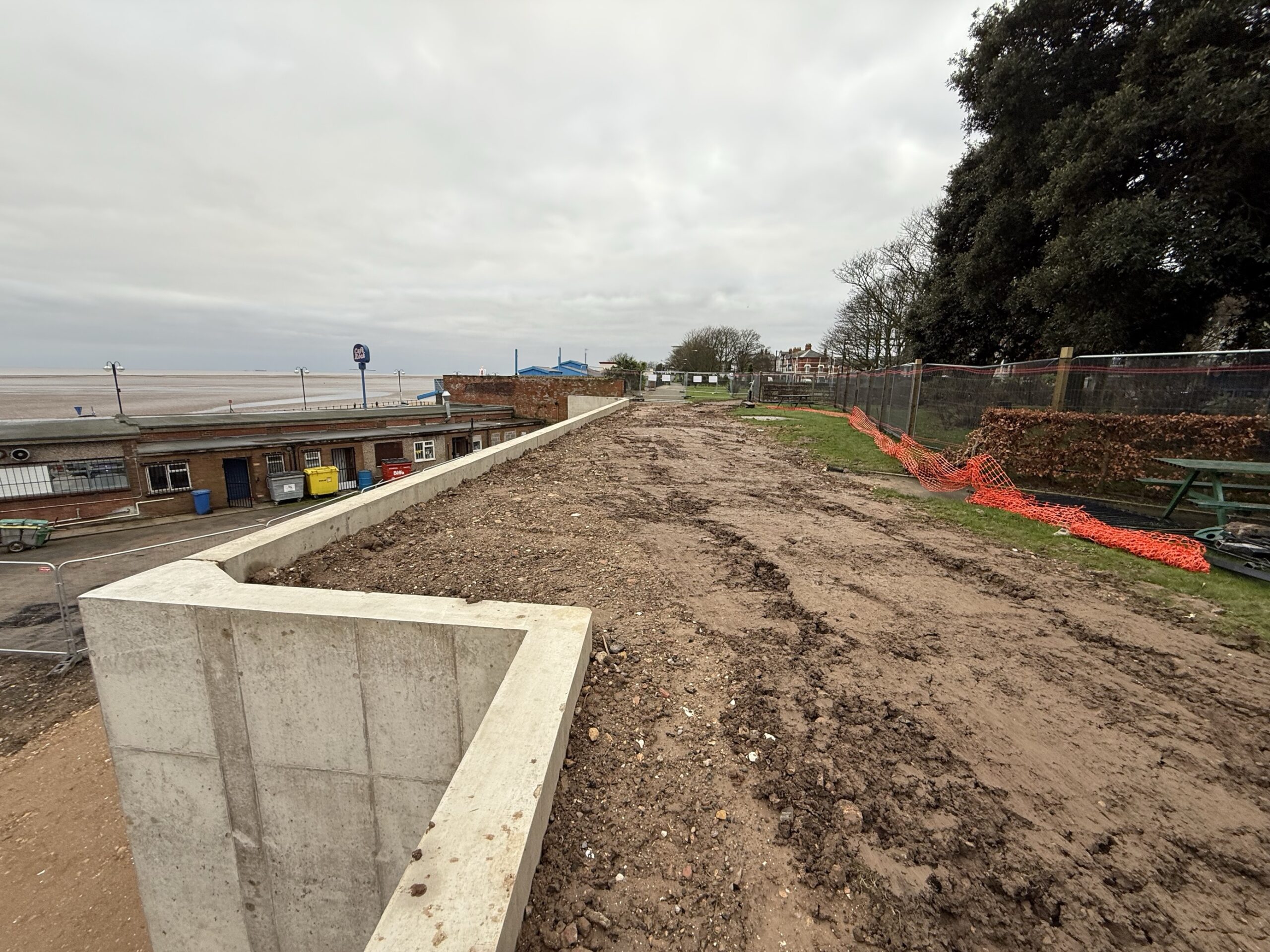
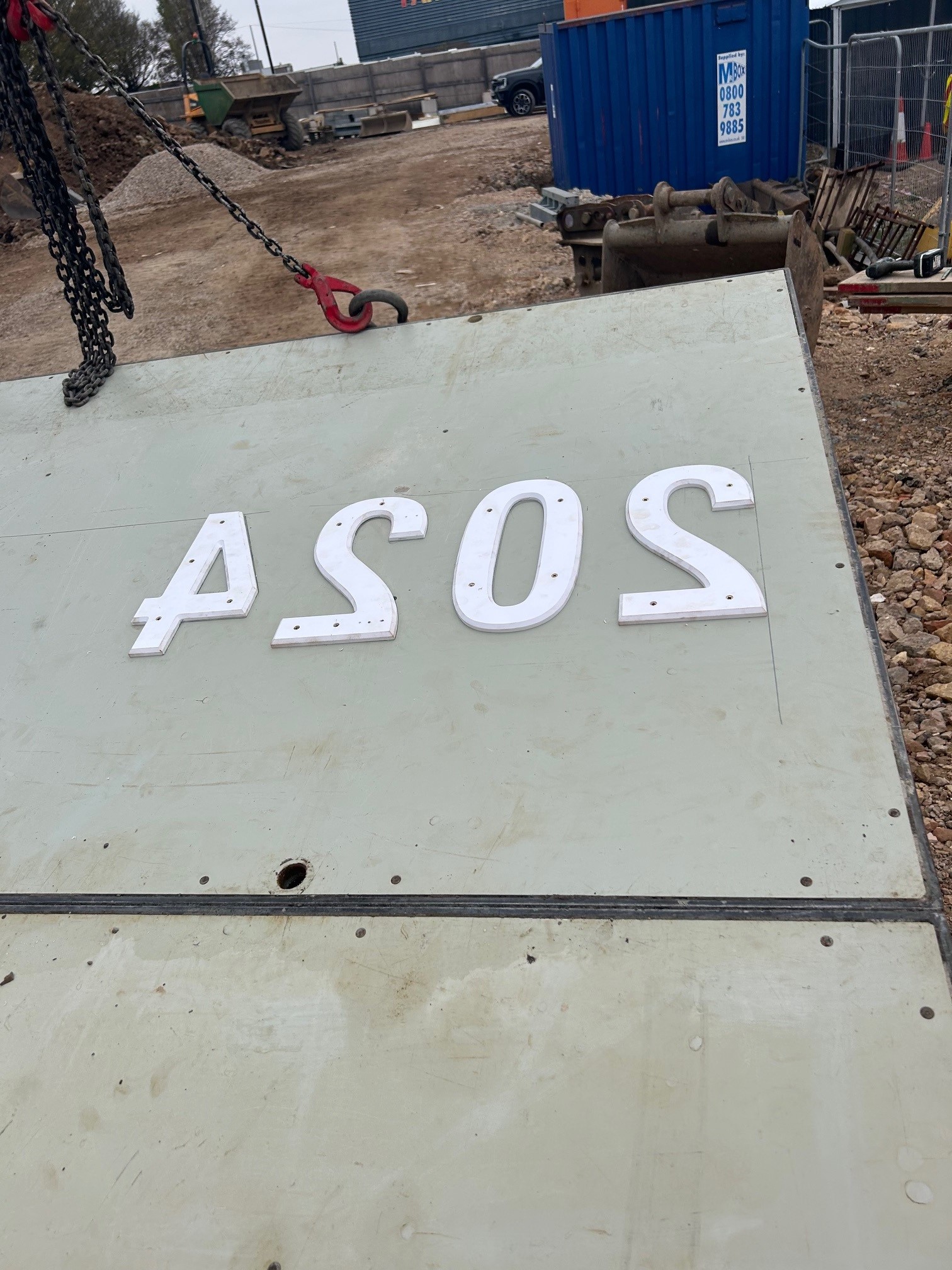
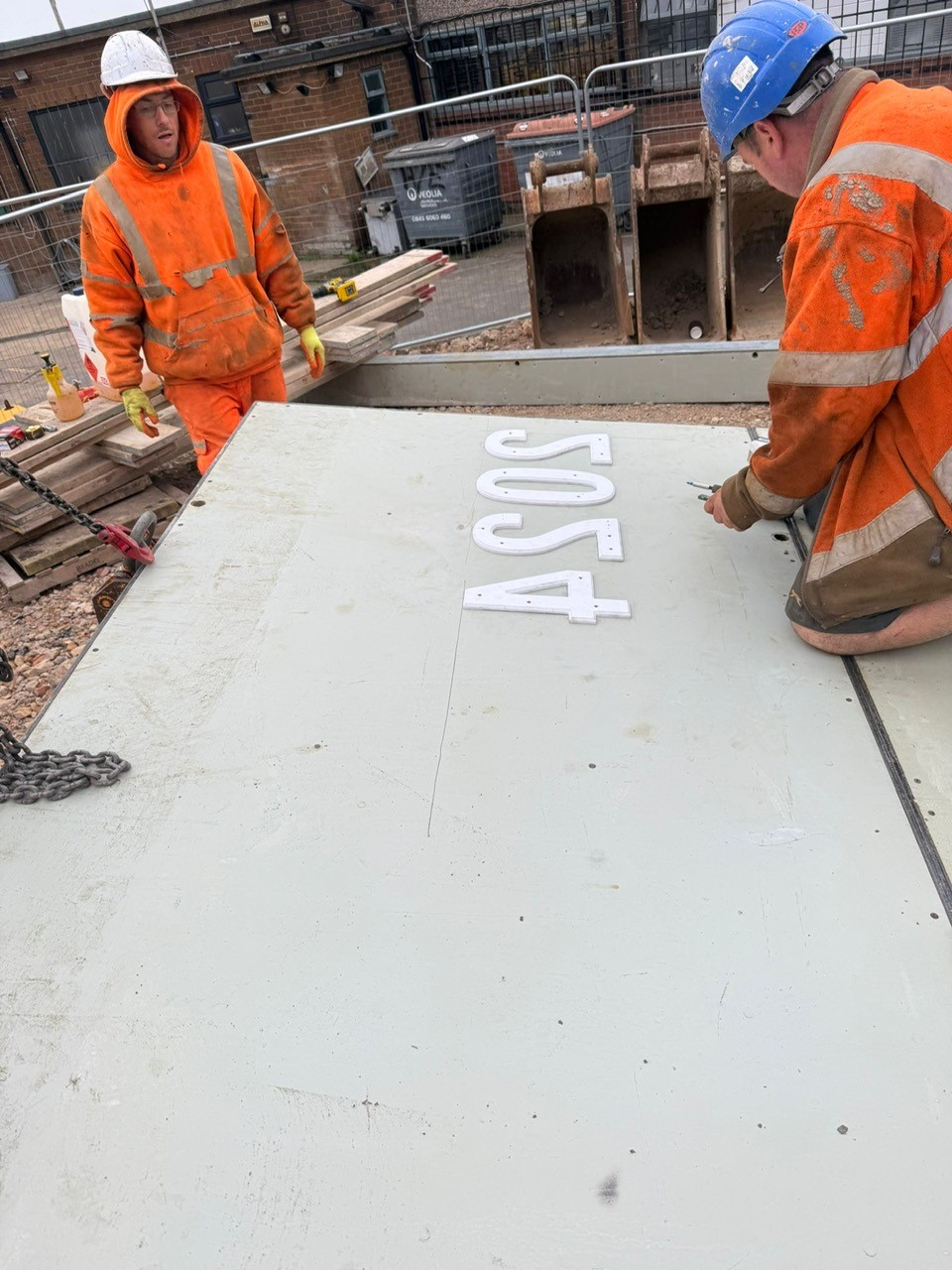
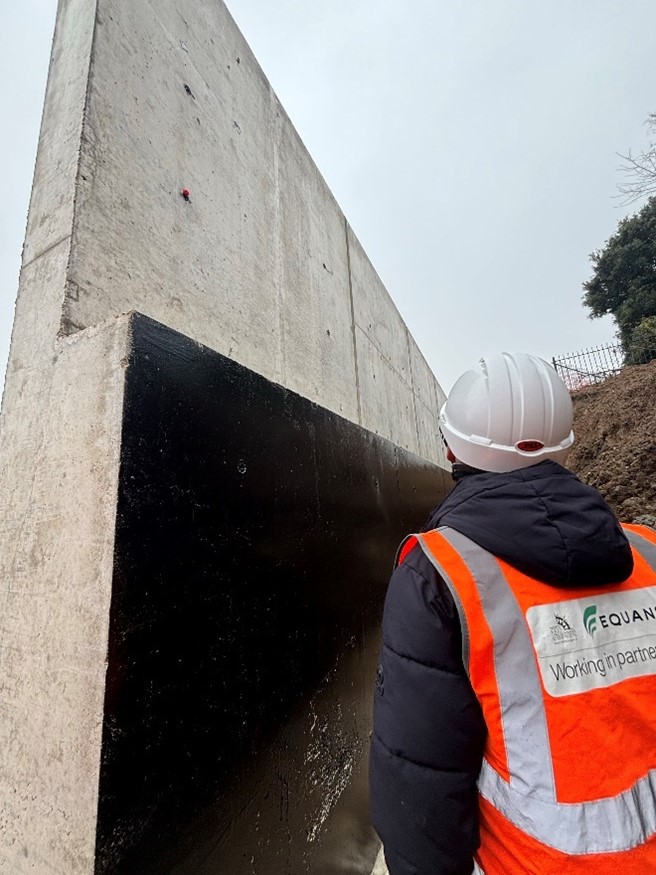
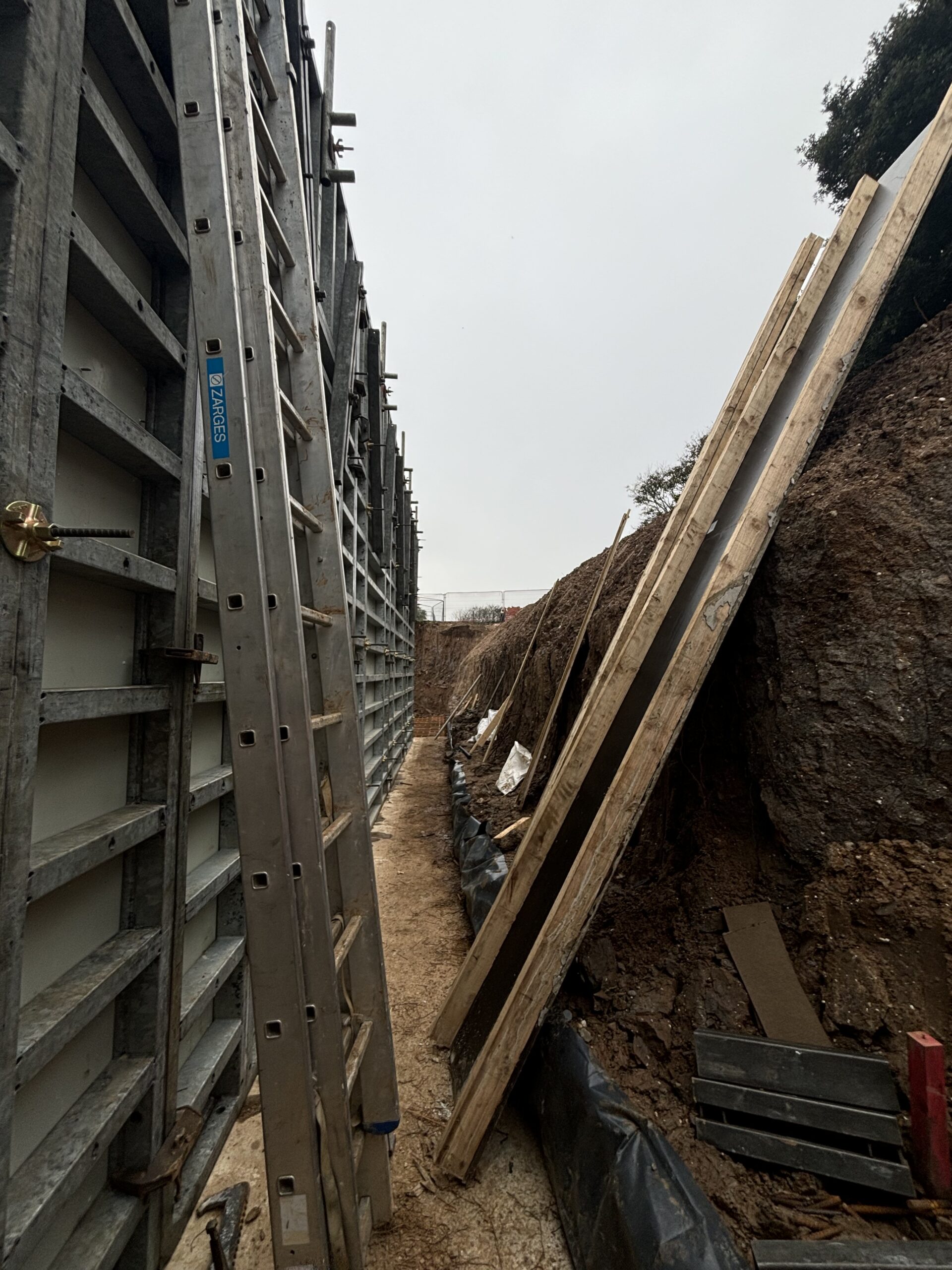
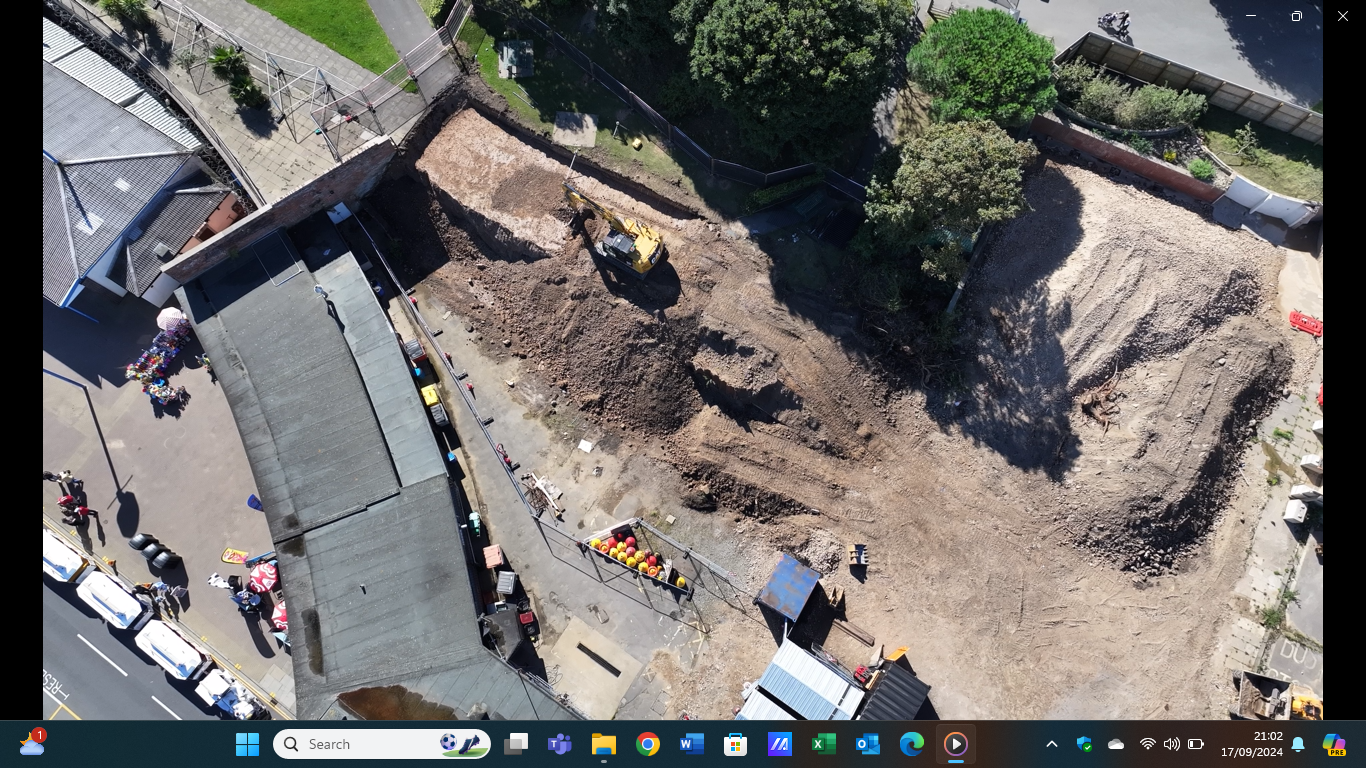
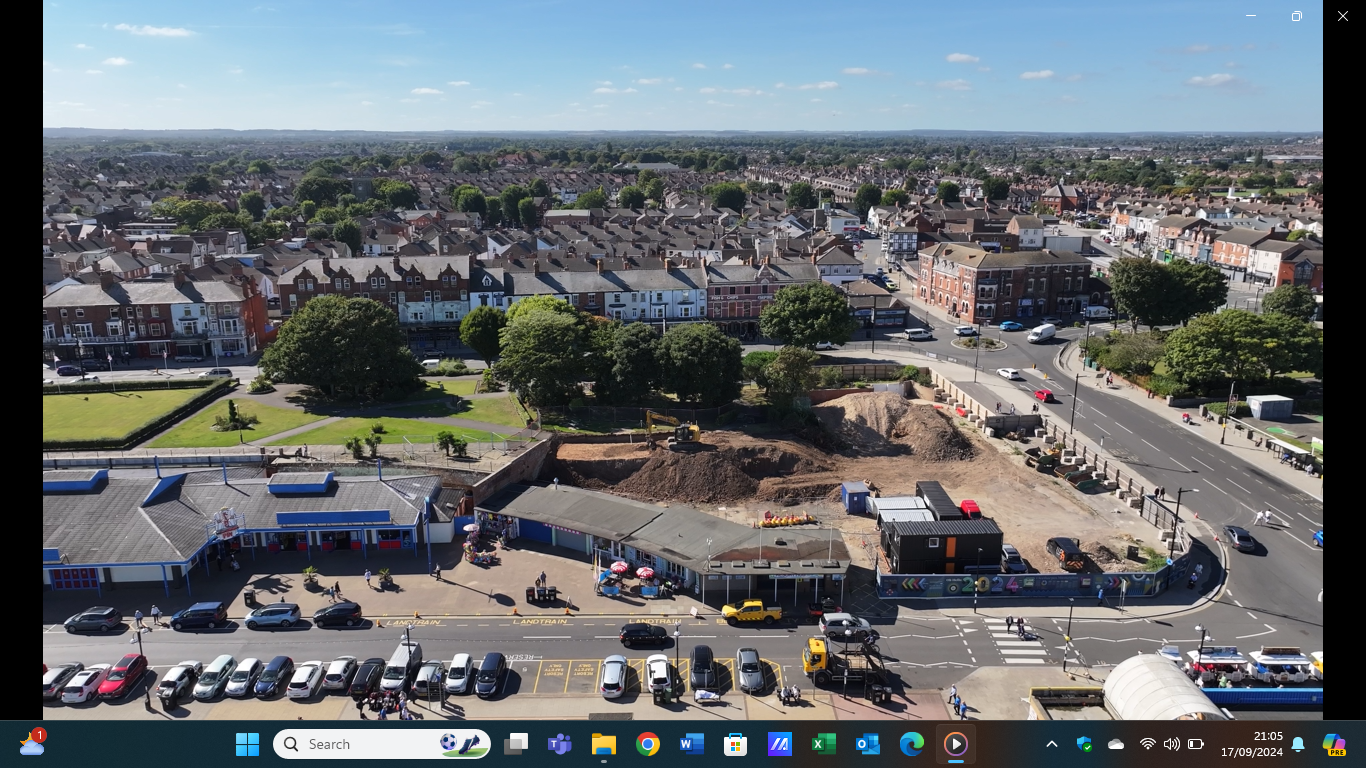
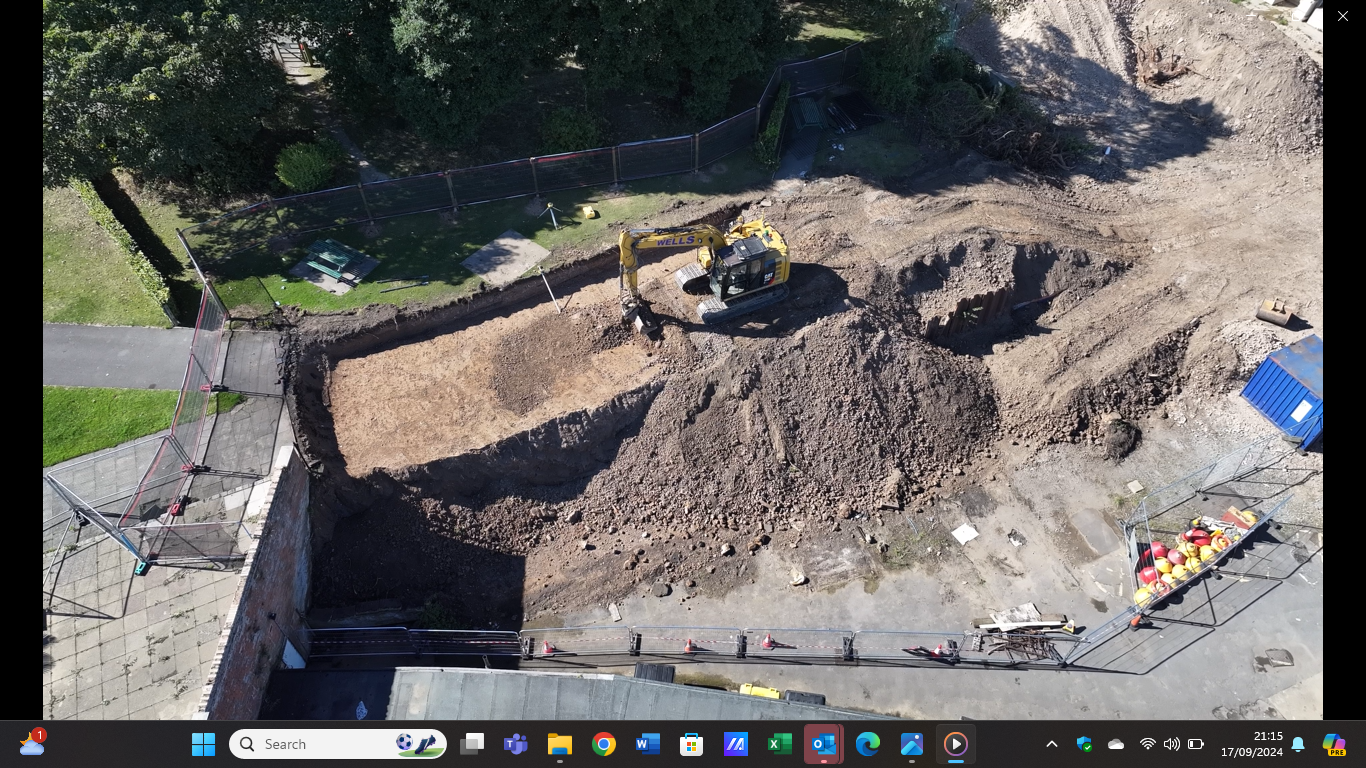
Progress photographs

History of Pier Gardens
During the 1500s the economy of Cleethorpes mainly comprised fishing and mixed arable farming, but by the 1700s, the town was gaining a reputation as a seaside resort, popular with the wealthy for the newly fashionable health reasons of “taking the waters”. Indeed, the original building on the Dolphin site, the Cleethorpes Hotel was opened around 1760!
Wind forward to 1842, and an “Inclosure Act” issued by Parliament set aside 2.5 acres of seafront for public recreation. This is the land we know as Pier Gardens.
The railway arrived in Cleethorpes in 1863, run by the Manchester, Sheffield and Lincolnshire Railway company (MSLR).
By the 1870s, the local Council of the time had to look at the security of the town – the cliff edge was being eroded badly by high tides. A plan was pulled together to reinforce the sea walls with substantial promenades, but as ever, this was a financial challenge for the local area, so the railway company was approached for help! In 1881, the MSLR was given approval to spend around £30,000 (around £3.2million in modern money, according to the Bank of England) to build two promenades, stabilise the cliff and landscape the top of the cliff into public gardens.
According to the Watkin Society, the gardens contained: “mock castle, a camera obscura, pavilion tearoom, tennis courts, photography booth, a resident phrenologist, winding walks, ornamental gardens and a very popular bowling green. The castle [Ross Castle, named after Edward Ross, the Secretary of the MSLR at the time] had a Gothic appearance and was built to the previous height of the cliff at that point. A path ingeniously spiralled upwards and around the circular castle to the top with some seats in niches for the weary. From the top of the castle extensive views of the Humber Mouth could be enjoyed.
“A conservatory, built in the gardens, supplied the plants for the flower beds. Outside the gardens to the south, a flight of steps allowed access to the promenade from High Cliff. The gardens were much admired, and trade directories mention how elegant and salubrious a bathing place it had become. The gardens with their plentiful seats and paths winding past rhododendrons delighted visitors. The MSLR are believed to have spent £100,000 eventually but the instincts of Watkin to invest heavily in the town were correct and it paid dividends.”
“A smiling garden, artistically laid out with due regard to the natural undulations of the ground. The jagged and dangerous edge of the old cliff has given place to the grassy slopes with rustic and picturesque paths down to the lower grounds and promenade” 1883 – Grimsby Observer – Reference to The Pleasure Grounds aka Pier Gardens
Cliff Gardens were officially opened in 1885 by HRH Prince Albert Victor Christian Edward of Wales KG, the eldest son of the then Prince of Wales and Princess Alexandra.
The opening spectacle included a display of flags of many countries along the prom, and a pavilion and stage inside the gardens. There was an archway constructed of Norwegian Ice too! There were bands playing, and the Royal Standard was flown high from Ross Castle. The Gardens were a “pay to enter” facility for many years, but this was removed in in 1939, and they were the free for everyone to use, and have been since.
Published
Last updated