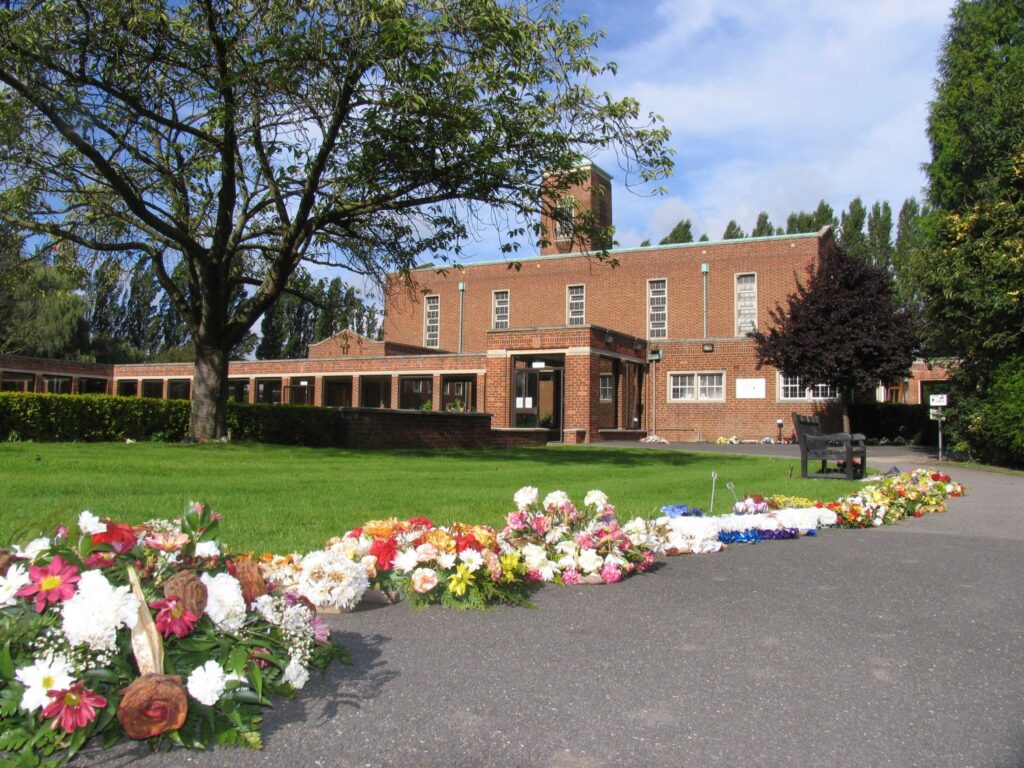
North East Lincolnshire Council is considering plans to replace ageing gas cremators at Grimsby Crematorium with energy-efficient electric models. The move could save money, reduce carbon emissions, and support the Council’s ambition to reach net zero by 2030.
The proposal will go before Cabinet on February 11 2026.
If approved, the Council would utilise a £1.5m grant from the Public Sector Decarbonisation Scheme (PSDS), delivered by Salix, toward the cost of the electric cremators. This funding was approved by Cabinet in March 2024 as part of a larger grant fund of £4.4m secured for decarbonisation schemes in the Borough.
The overall cost of the electric cremators would be around £4.7m, with the remainder of funding coming from council borrowing. This includes a 30% contingency fund for further design and procurement works.
Electric cremators offer several advantages over gas:
- Lower operating costs and improved energy efficiency.
- No need for temporary cremators during installation, avoiding significant hire costs.
- Alignment with the Council’s Green Ambition and carbon reduction targets.
By contrast, replacing the gas cremators would cost between £5.7m-£6.6m, involve 12 weeks of downtime, and provide no environmental benefits. It would also require the hire of temporary cremators at a cost of £40,000 per week in rental and lost income. Gas cremators would not qualify for grant funding,
The only drawback to electric cremators is the need for a building extension at the crematorium to house the new equipment. However, they could be installed with the gas cremators still in operation with no extra cost for the hire of temporary cremators.
An increasing number of councils are installing electric cremators, including Worcester, East Cambridgeshire, and Rushcliffe. The Grimsby Crematorium team has visited Rushcliffe to see how it operates and is satisfied electric cremators could work well in Grimsby.
The current gas cremators at Grimsby Crematorium have come to the end of their lives, with maintenance issues and costs increasing. Failure of one or both cremators would cause significant disruption to the cremation service in the area.
If approved, the order for electric cremators will be placed as soon as possible, with installation planned for Spring 2027, following a 12-month lead time.




Share this article