Beak Peek
Welcome to Beak Peek, North East Lincolnshire Council’s dedicated page where we encourage everyone to respect and protect our local birdlife.
Who we are
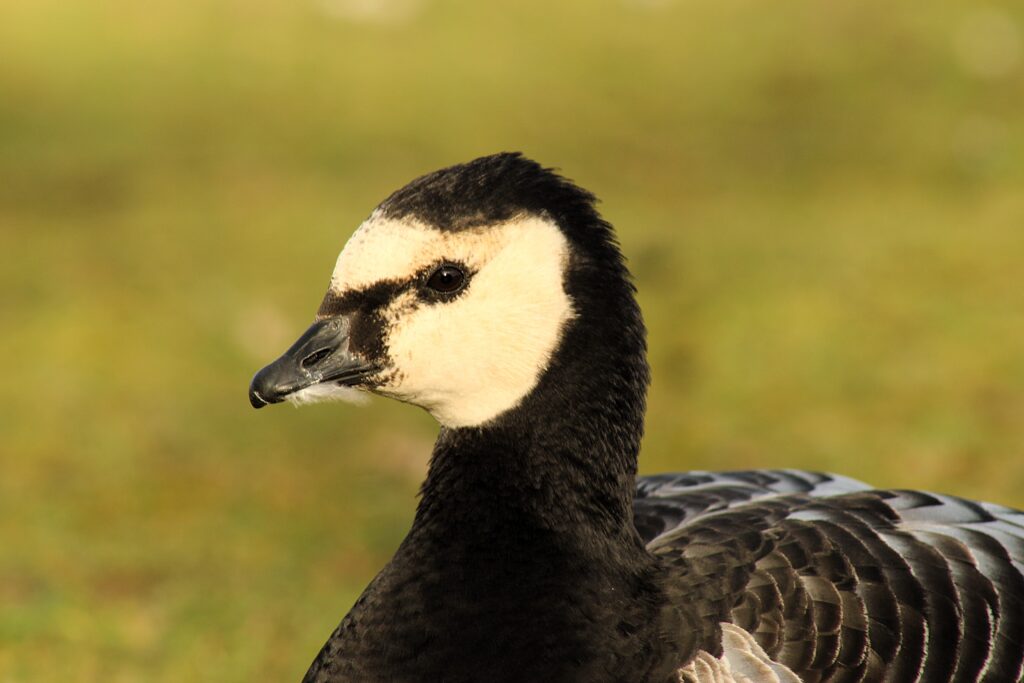
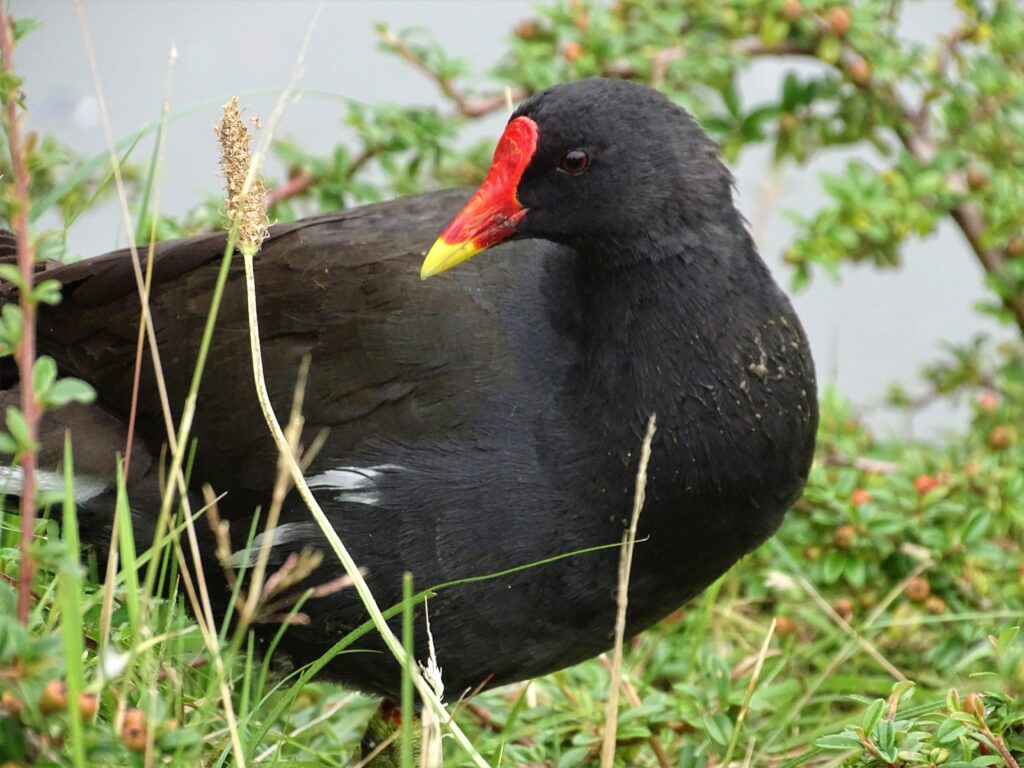
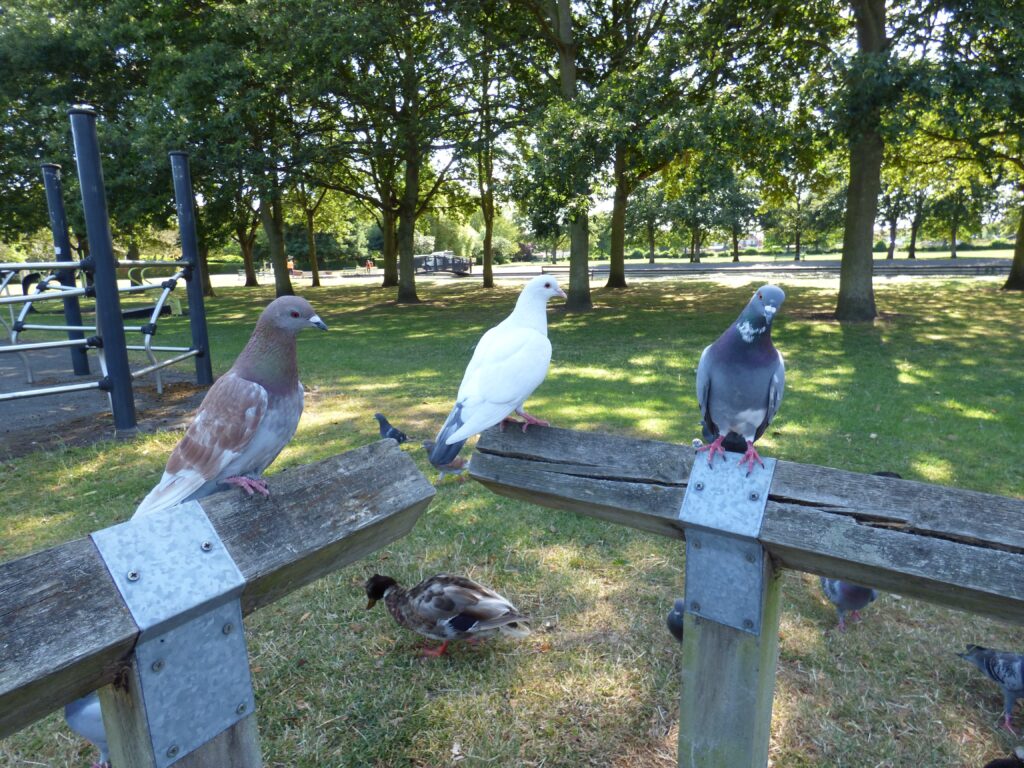
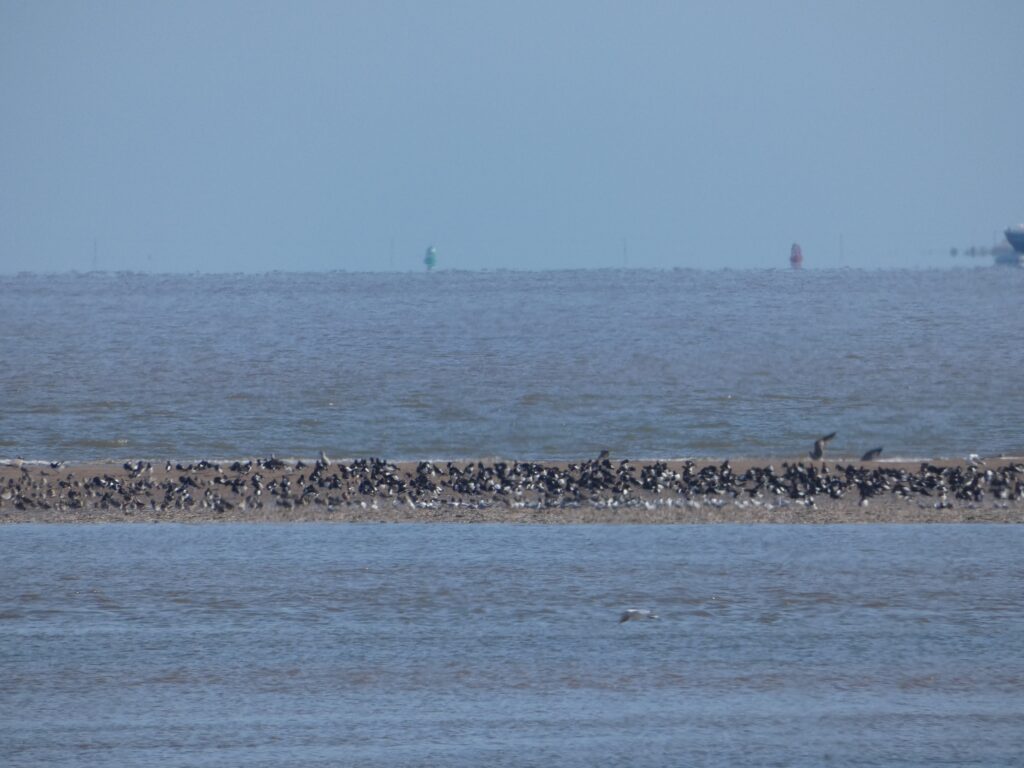
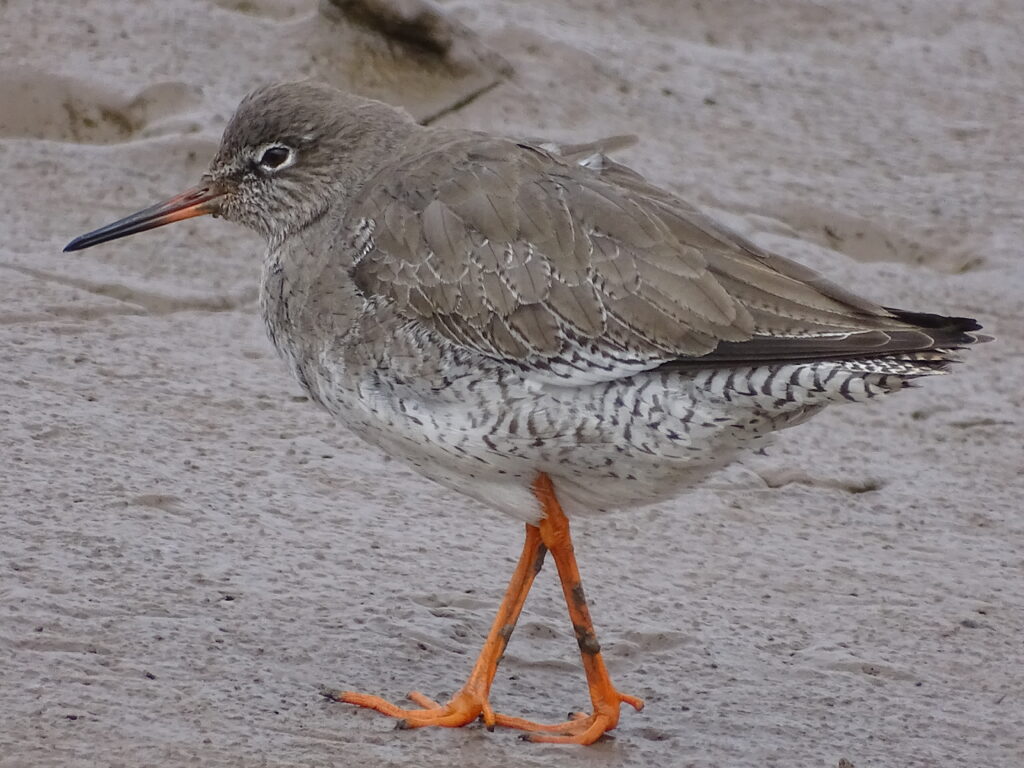
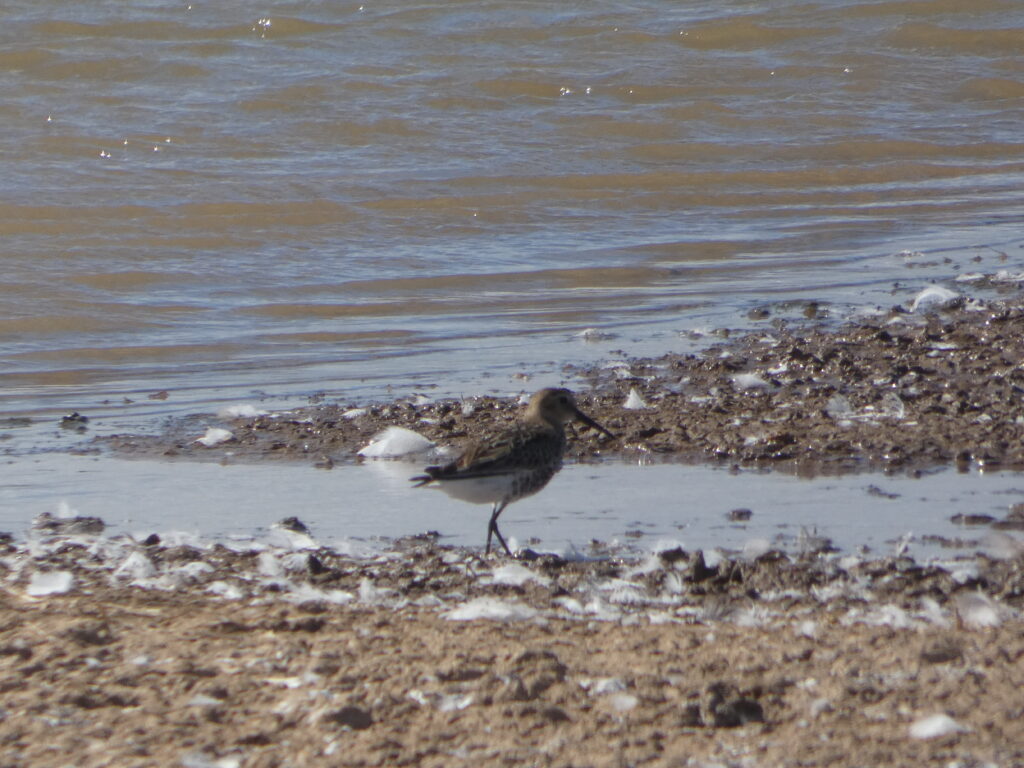
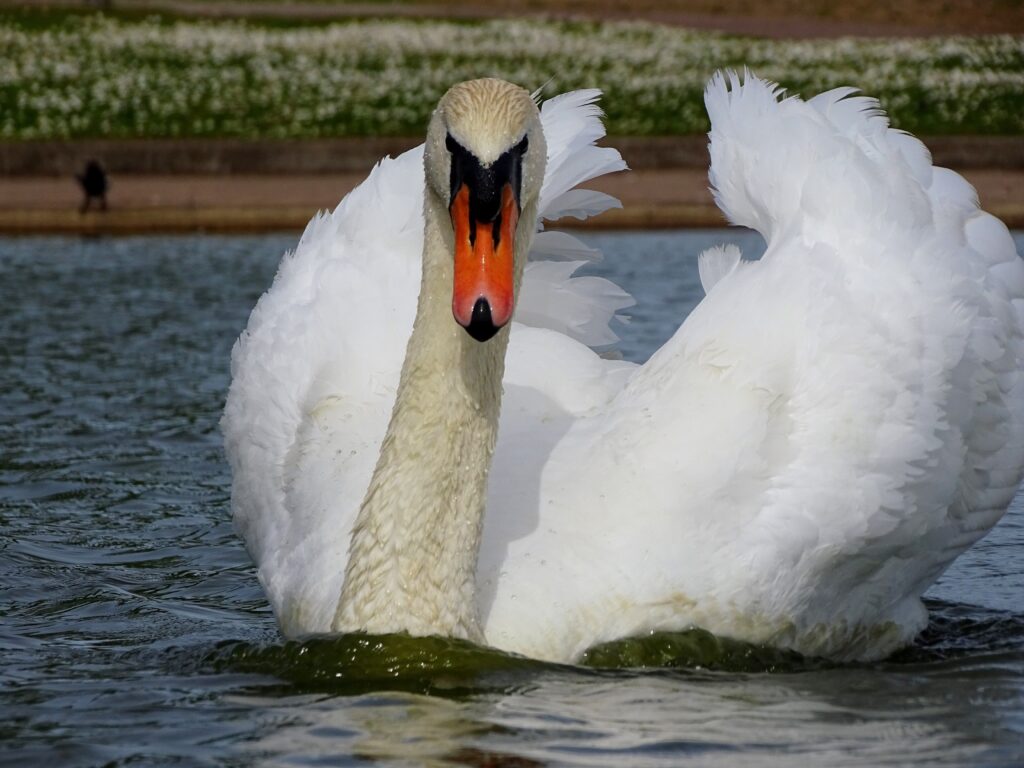
Check out our weekly Beak Peek column on our NELC socials every weekend, which invites residents and visitors to send in their own photos of birds they have taken either on our celebrated coastline at Cleethorpes, on the beautiful River Freshney which meanders through our region, in one of our many local parks, or even within their own back gardens. There is no age barrier here. The more photos the merrier.
Bird watching can be fun and therapeutic, and can also play a recognised role in ensuring that organisations like the RSPB can keep records of bird populations, through local surveys, to see where further action is needed to protect them.
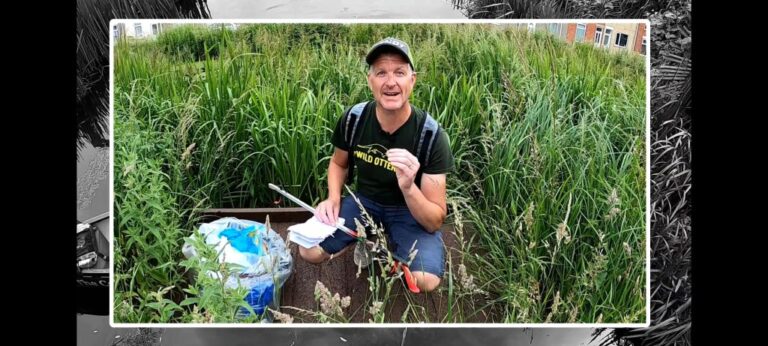
Below you will find an important message from our Canoe River Cleaner who encounters many birds on his journeys along the River Freshney. He encourages people to feed sensibly and sensitively. Enjoy all of our birds but please respect and protect them.
Sharing your photos
Found our QR Code?
Feeding ducks responsibly
You’ve obviously been out and about so thank you for taking the time to scan the QR code and find out why we shouldn’t be throwing bread in rivers and ponds to feed the ducks. We’ve teamed up with the Canoe River Cleaner and his mission is simple, to get the message to as many people as possible to try and eradicate the age-old tradition of feeding bread to ducks and swans.
The science behind it
Humans have been feeding and domesticating ducks for thousands of years, with records going back around 4,000 years in Southeast Asia.
Feeding ducks at the park is a tradition many of us grew up with. It feels harmless, even kind, to toss them a few scraps. But while feeding wild birds isn’t inherently bad, what we feed them makes all the difference.
Why bread is the wrong food
While ducks will happily eat bread, it’s far from what their bodies need. From a scientific perspective, bread, particularly white bread, is:
The impact on duck health
When ducks rely on bread instead of their natural diet, which includes aquatic plants, insects, seeds, and small invertebrates, they can develop serious health problems. Scientifically, this happens because of nutritional imbalance:
In effect, feeding ducks bread is similar to feeding them junk food. It fills them up without giving them the nutrients they need to grow, maintain feathers, and stay healthy.
Feeding ducks the right way
The takeaway isn’t to stop feeding ducks entirely, but to feed them responsibly. If you do want to feed ducks, in our parks, on the River Freshney or at the Boating like, opt for foods that are closer to their natural diet, such as:
These options provide the nutrients ducks need without disrupting their development.
.
Help us prevent algae
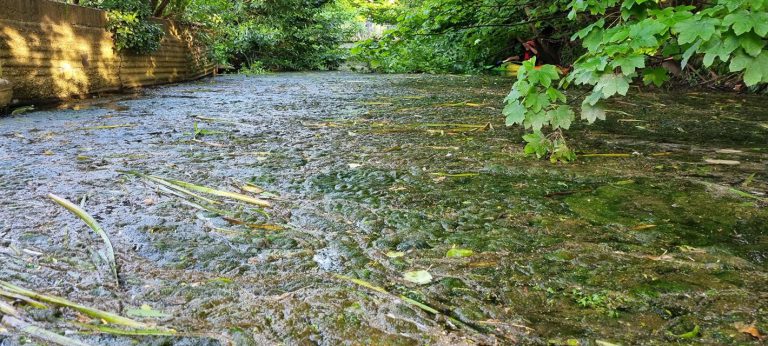
In warm, sunny weather, you might see (or smell) thick, green vegetation growing on the River Freshney, ponds and other watercourses. This is algae and whilst it can be an important habitat for some species, the bloom that occurs can be toxic.
Algae blooms occur naturally, but throwing bread and other foods into the water makes the problem worse. You can help by not throwing bread into rivers and ponds.
It can very quickly stop the flow, reduce light levels under the water and deplete the dissolved oxygen required by many species to survive.
Don’t duck the issue
Feeding ducks bread might feel like a kind gesture, but science shows it can do more harm than good, especially for young, growing birds. By understanding the nutritional needs of wildlife, we can make small changes that have a big impact on their health and survival.
Follow the Canoe River Cleaner
James Elliott (aka the Canoe River Cleaner) has been helping keep the River Freshney and streets around the borough clean for almost five years since being furloughed during Covid.
He also periodically donates the correct bird food to schools in the area to promote good practice. Cleethorpes Wildlife Rescue also run a scheme where you can swap bread for bird seed at some popular feeding spots.
Grimsby-based Haith’s Bird Food are donating bags of suitable bird seed to the Canoe River Cleaner for his nature walks.
For more information about the Canoe River Cleaner, visit Canoe River Cleaner.
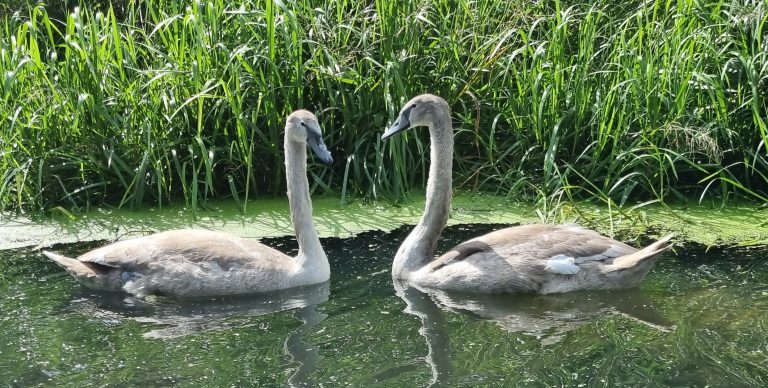
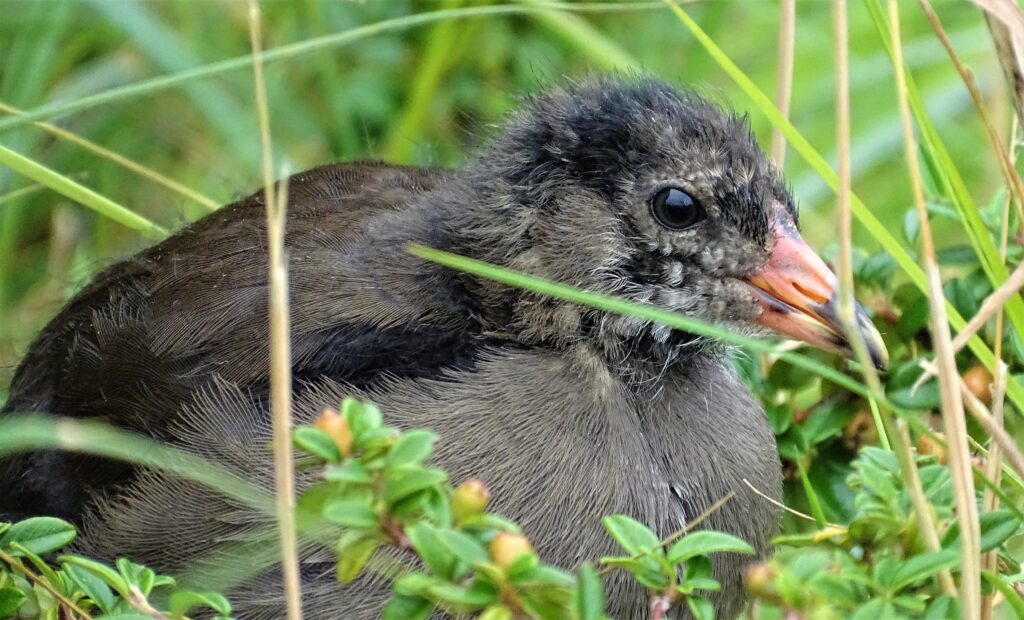
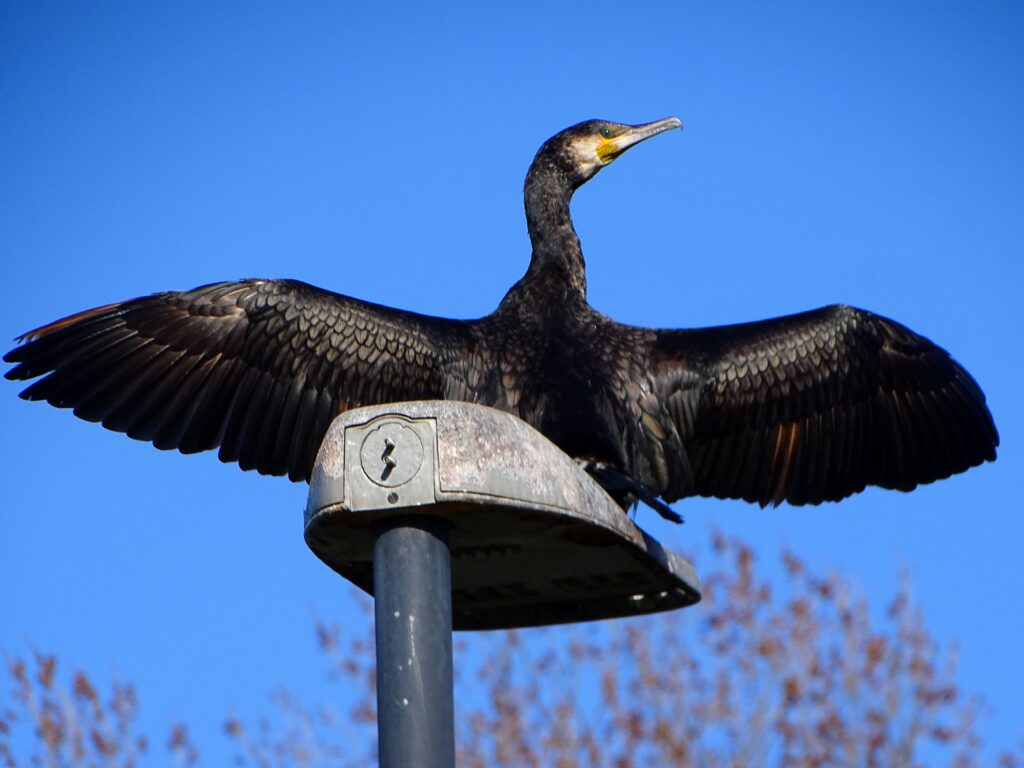
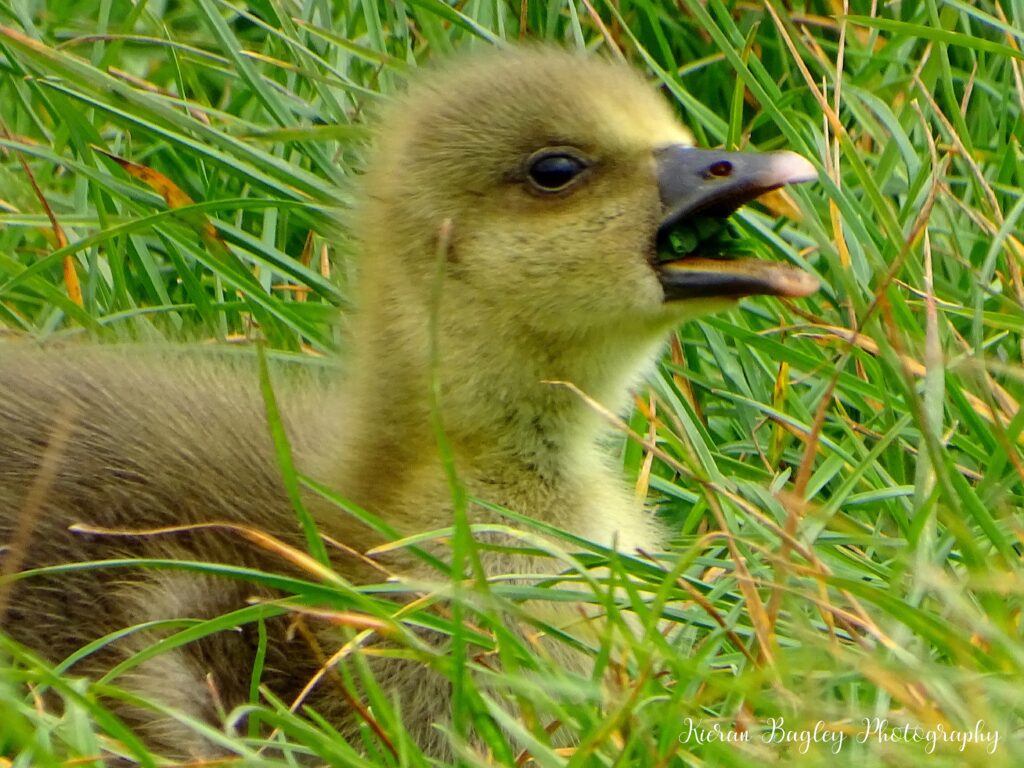
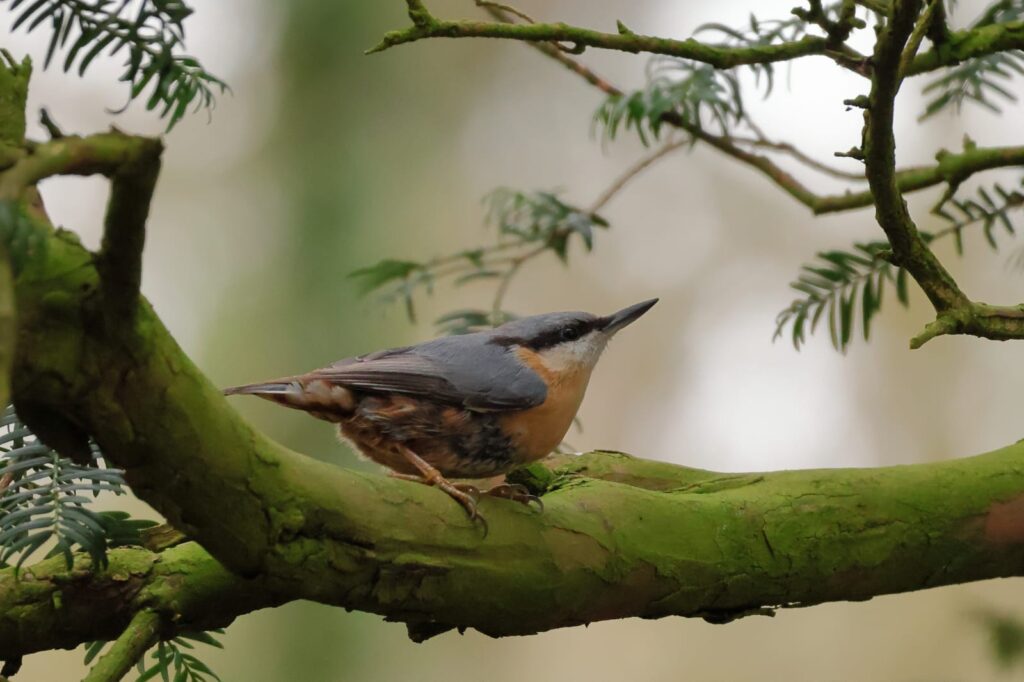
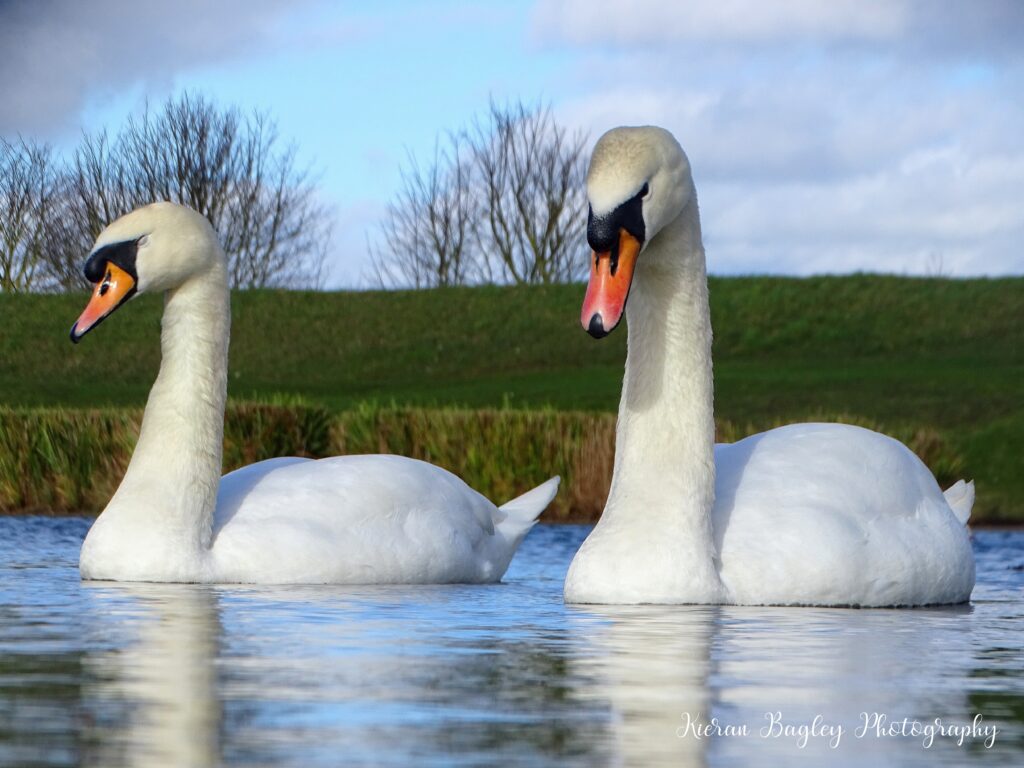
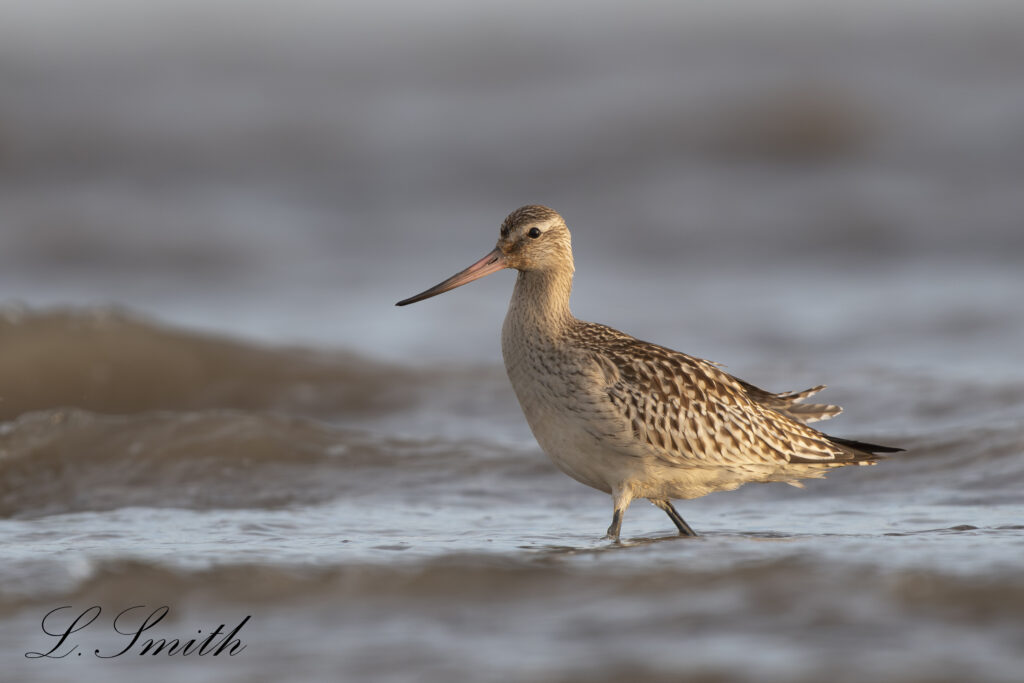
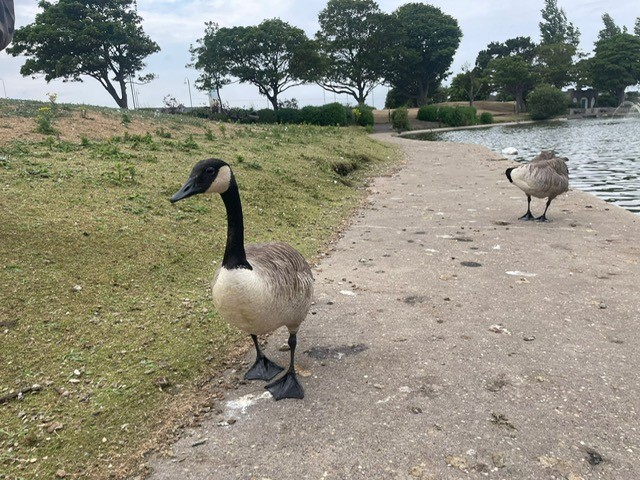
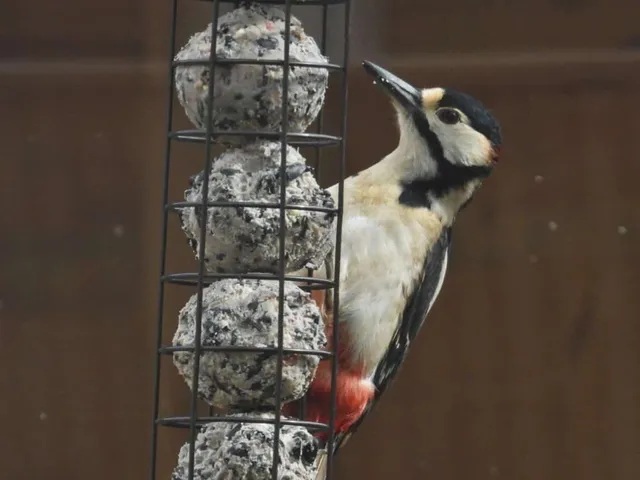
Thank you to all of our Beak Peek contributors whose photos we have included on this page.