Market Place
The two popular areas (Pier Gardens and Market Place) are set to be rejuvenated, supported by the Government’s Levelling Up Fund. North East Lincolnshire Council was awarded £18.4m for the resort, following the development of the 2022 Cleethorpes Masterplan, which was spearheaded by Hemingway Design.
The Cleethorpes Levelling Up Fund projects are progressing, with the latest set of designs for the Market Place available to view below.
Introduction to the Market Place Project
Designs
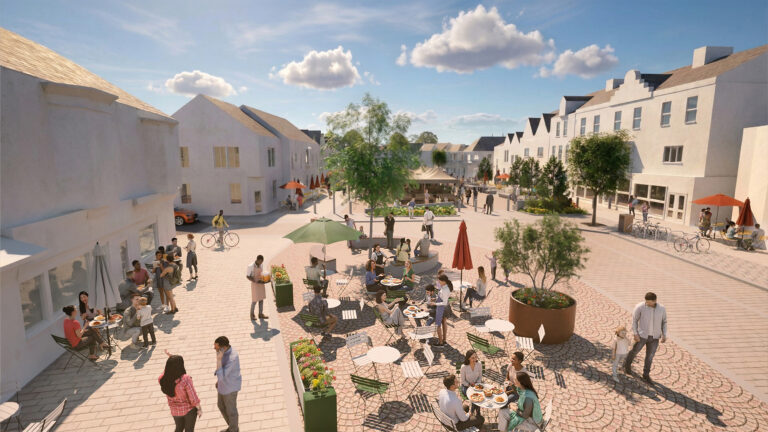
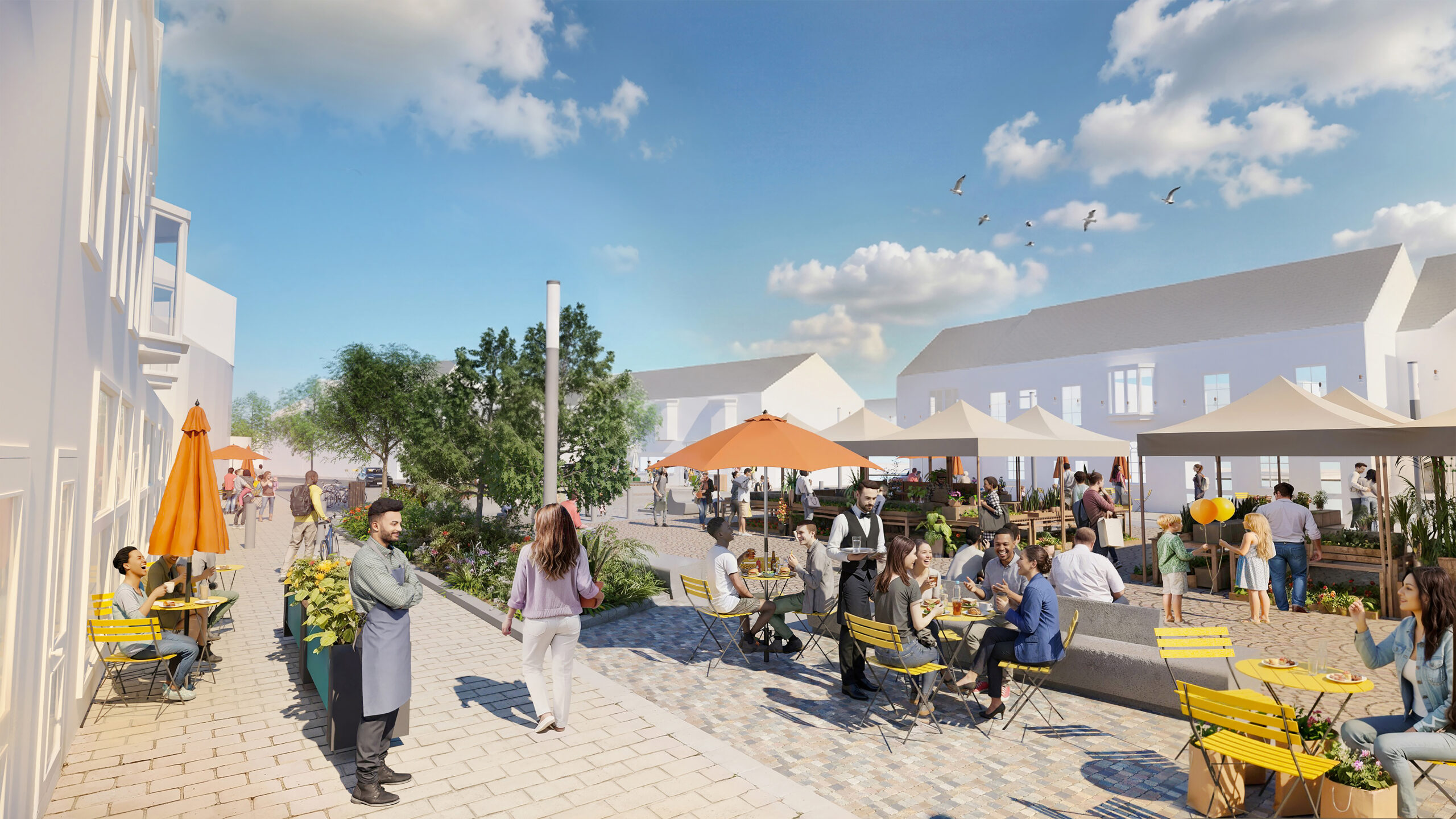
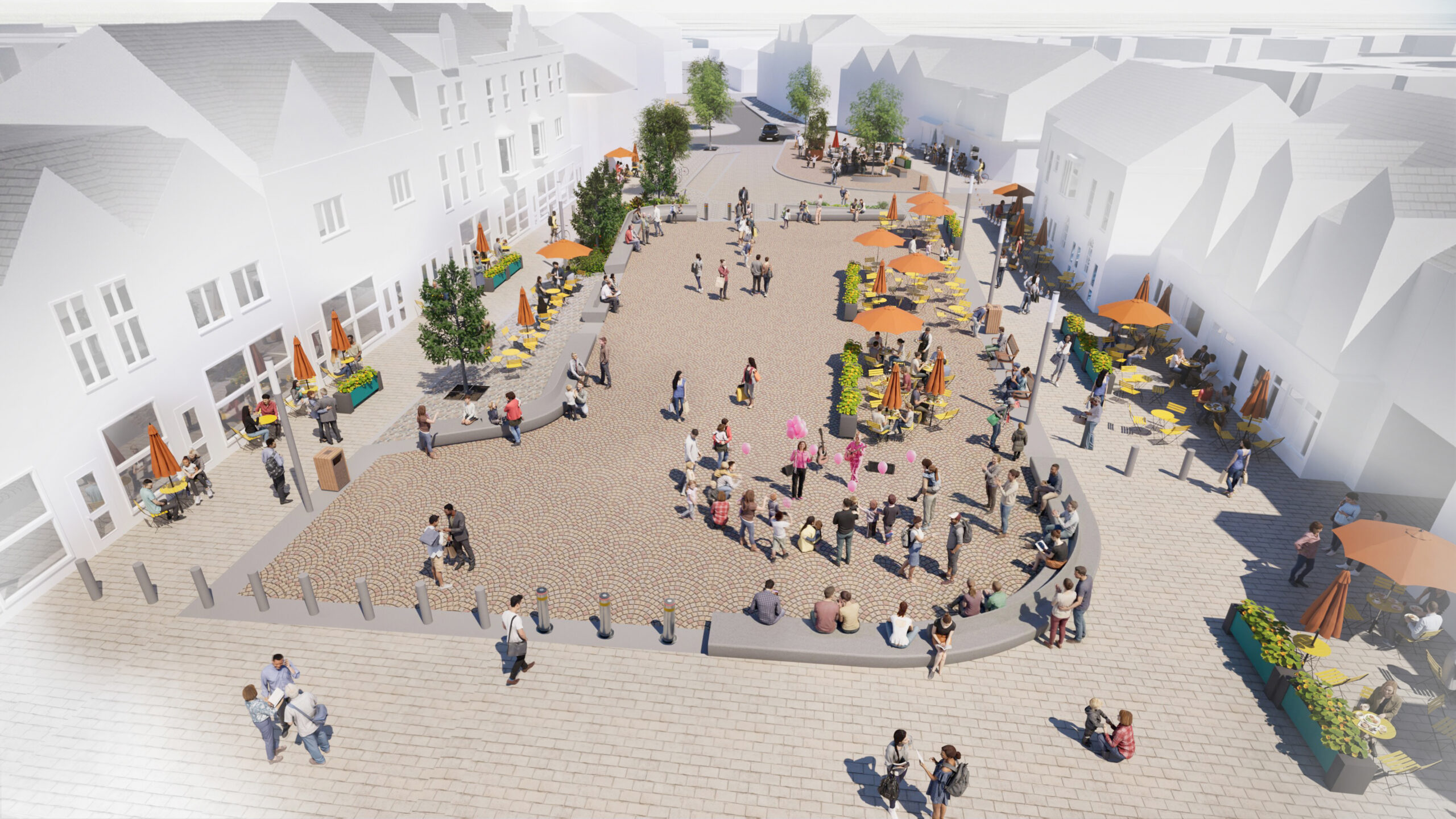
From weekly markets to annual events such as the Armed Forces Day, the proposals for Market Place offer flexibility to accommodate a wide range of uses. Seating is positioned around a flexible central open space that can be used for markets, events or for spill out space from the surrounding cafes, bars and restaurants. Traffic will be controlled limiting, access to maintenance and emergency vehicles and event set up.
These illustrations and images were produced by third-party companies, so they may have issues with accessibility. If you have any issues, please email [email protected] who can provide you with more details on the proposals.
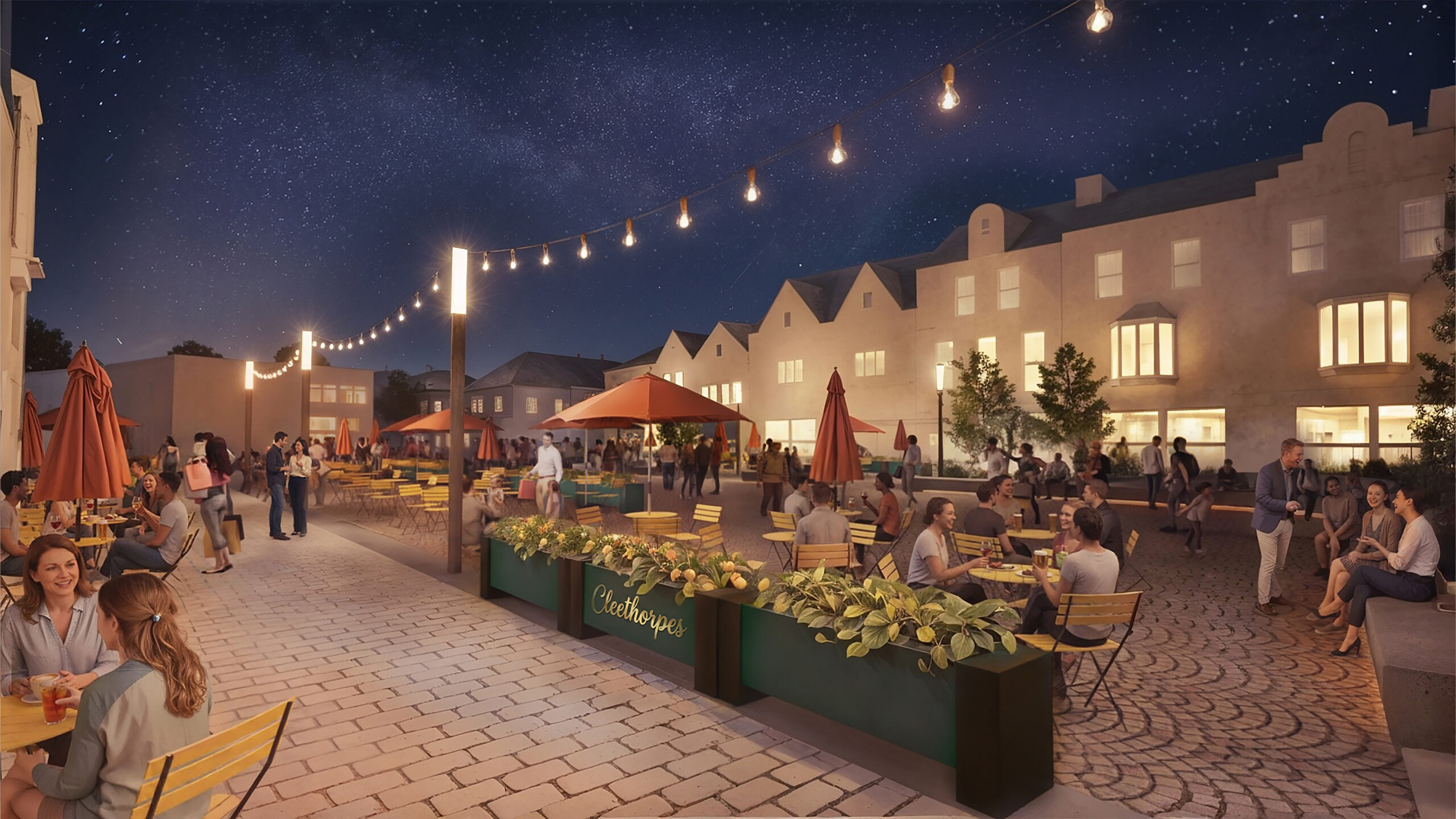
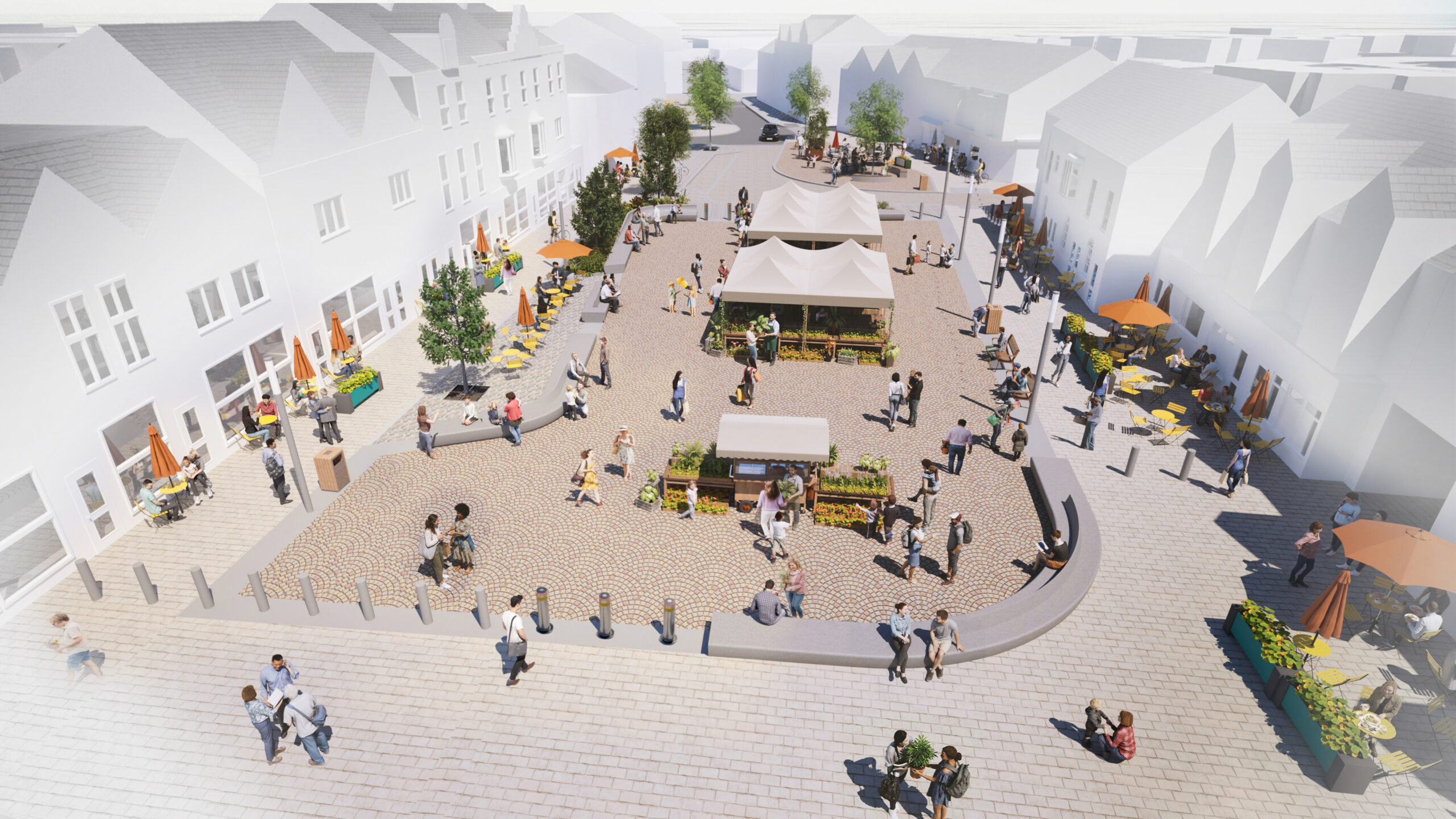
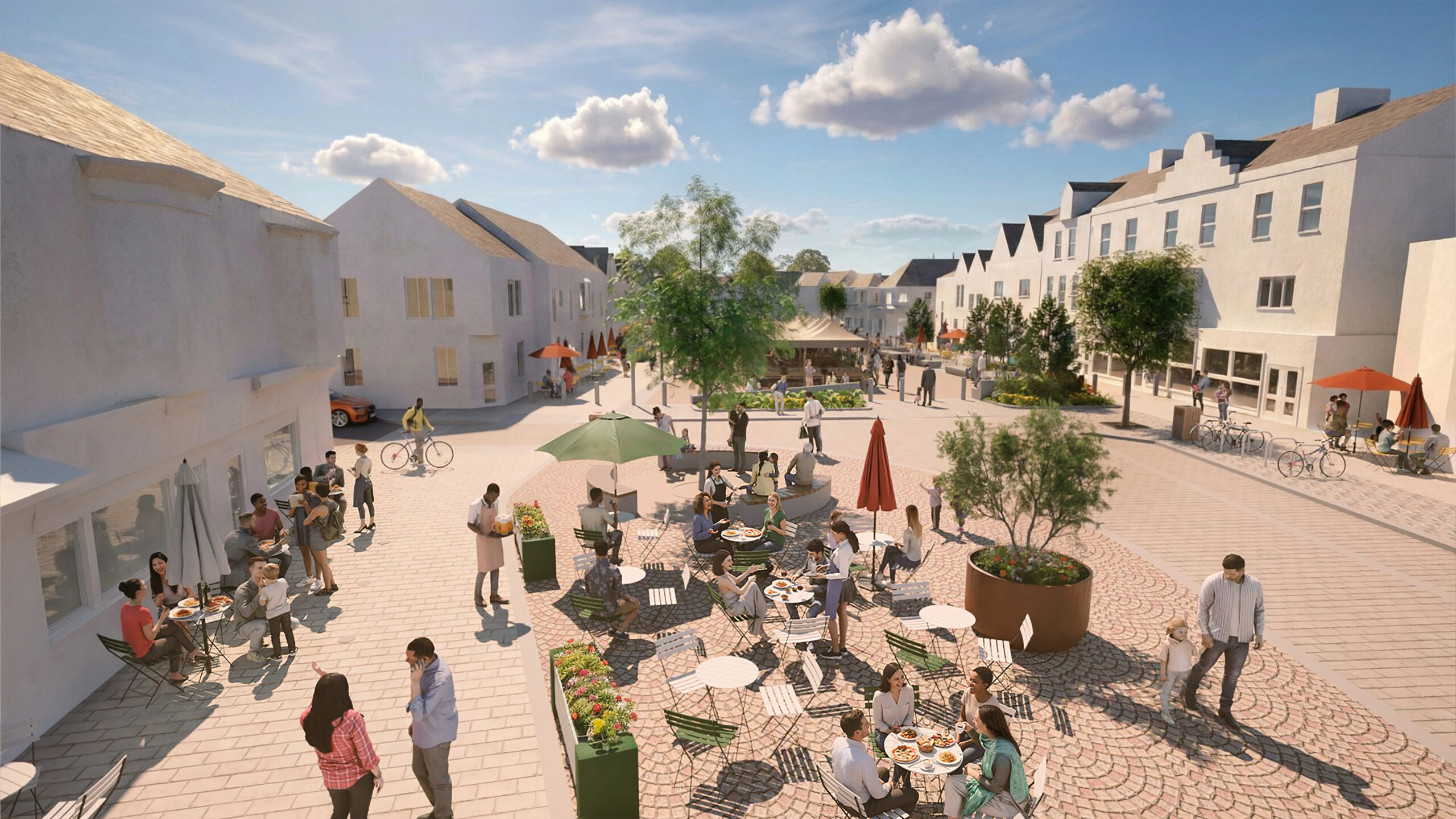
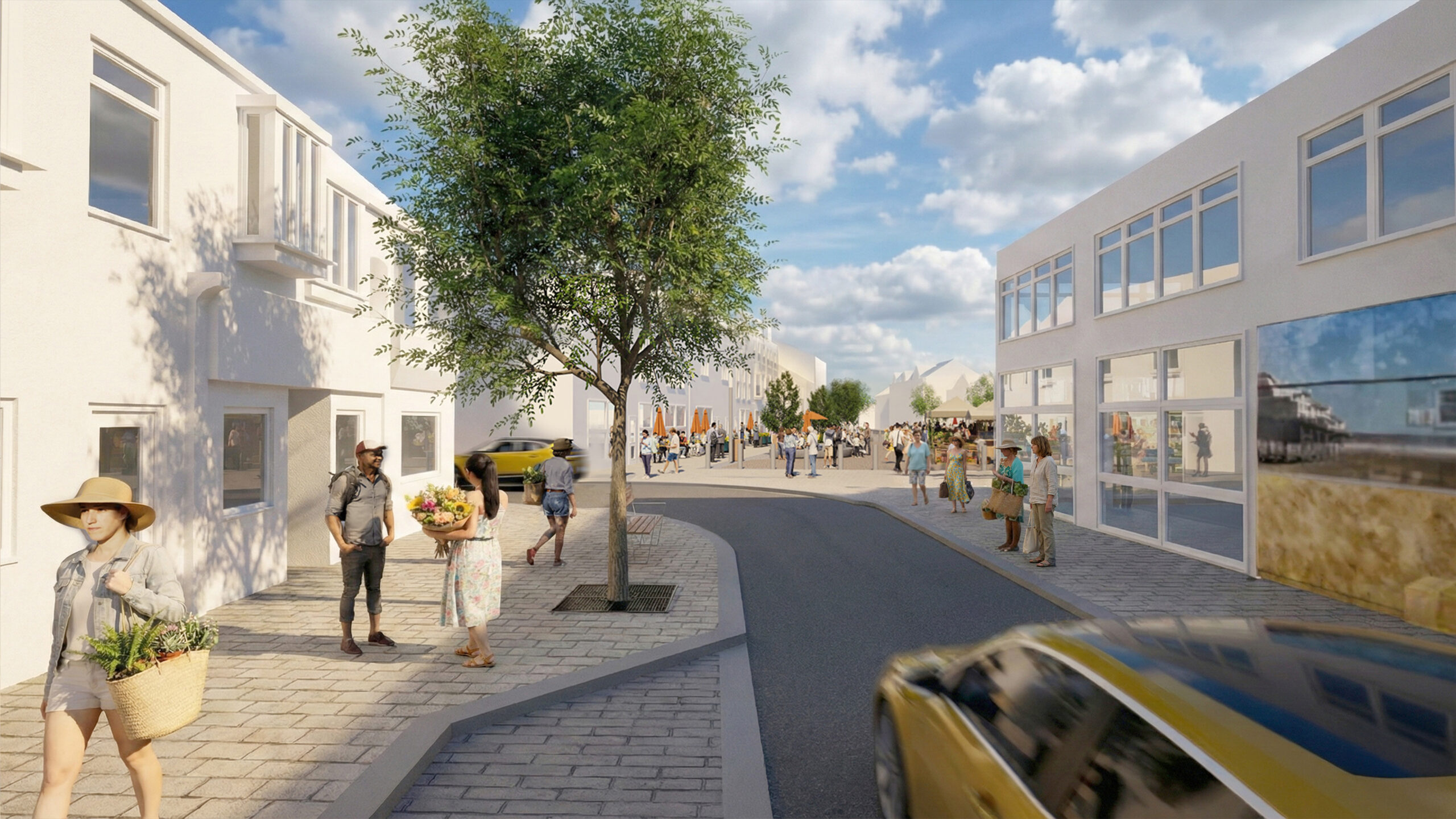
Changes to parking
After administering a parking survey with the residents of North East Lincolnshire, we know that the Market Place is a popular car parking area for people who are visiting Cleethorpes.
In order to support the change, a new public car park has opened behind the Old Vic Public House just a few minutes’ walk from Market Place, and short stay only parking will be introduced in the existing High Street Car Park.
As part of the work to Market Place, we have also looked at parking bays on Short Street, Market Street, Cosgrove Street and Cross Street to make sure there’s the right mix of parking, loading and drop off opportunities to meet business and resident needs.
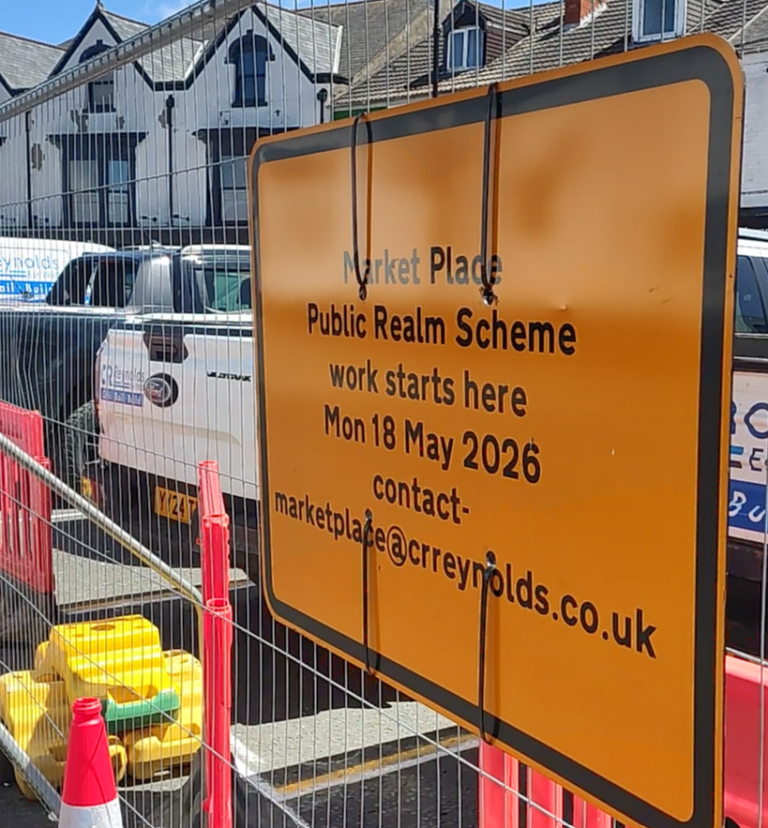
May 2026: View the traffic management plan for the Market Place initial works. This is not an accessible document.
June 2026: There is a proposal to introduce 12 seasonal spaces to the Market Place design. These are subject to statutory consultation on new Traffic Regulation Orders (TROs) and Road Safety Audits of the proposed design. A proposal to introduce 1h free parking at two car parks in Cleethorpes to support local businesses has also been approved to proceed, subject to the TRO process. Proposals for Market Place design changes approved at Cabinet | NELC
History of Market Place
From illegal markets to a bustling town centre: the history and future of Cleethorpes Market Place
Cleethorpes Market Place is an area of Cleethorpes steeped in history and culture, but how much do you really know?
With its redevelopment just around the corner, let’s take a look back at the origins of the seaside town and the influential Market Place that drove tourists and traders to the seafront.
Cleethorpes and the surrounding areas were occupied by hunters and gatherers during the prehistoric period, and Beacon Hill was a focus during the Anglo-Saxon period, but other than occasional finds there is little yet to suggest that the Romans lived here.
In medieval times Cleethorpes was split into three hamlets: Itterby, Oole and Thrunscoe, the names derived from a mixture of Old English and Old Scandinavian.
The word ‘Clee’ means clay in Old English and is thought to refer to the boulder clay that is prevalent in the area. Oole, which is now the Market Place, refers to the fact Cleethorpes sits in a dip.
“Hole”, or “Hoole” or “Oole” is first mentioned in the Lindsey Survey of 1565 as a small fishing settlement of 13 families.
Its omission from the earlier Domesday Survey of 1085 could be it either didn’t exist then or it was not significant enough to be taxed, as Domesday was primarily documenting land values so a tax could be levied.
“Hole” is recorded as having held markets in 1322, which the Borough of Grimsby claimed were illegal. These markets are thought to have been local people selling their wares such as food, possibly fish, crafts and clothing.
But by 1362, John of Gaunt, the son of King Edward III obtained the right to hold a Thursday market in Thrunscoe and a fair for St Michaelmas on 29 September, and so right to hold the market was given, and that right still exists today.
The population continued to grow and in 1802 the first Methodist Chapel in Cleethorpes was built in ‘Chapel Yard’ which is now part of the Market Place.
By 1850, the name of Hole had gone as the area became known more as the collective town name, Cleethorpes. Many of the new buildings being built can still be seen today and the layout of Market Place and the surrounding roads would be familiar to locals and visitors alike today.
Cleethorpes was expanding at pace, at this time, there were three hotels and 106 lodging houses. The town was also seeing a higher number of visitors with some 30,000 visiting per day during the peak times.
In the coming years, the Manchester, Sheffield and Lincolnshire Railway company would pump around £100,000 into the town to make it a tourist hotspot, changing the parlous cliffs into graceful promenades, seawalls and boating lakes.
The area was described by one writer as “one of our oldest watering places, and from its situation, the most salubrious on the Lincolnshire Coast”.
In the early 20th century, a number of buildings that used to be in the middle of Market Place were also knocked down to create the space we know now.
By 1930, 600,000 people were visiting every Summer, with the Market Place acting as the hub of the town and a key link from the popular pier and prom, via entertainment venues such as the Empire Theatre to the blossoming B&B trade in the rows of housing behind.
There were a range of butchers, fishmongers, cafes and other businesses selling their wares to tourists who had used the now long-established railway line to come to Cleethorpes.
Along with Sea View Street and St Peter’s Avenue, Market Street, is one of the centres of commercial and social life in the town.
Fast forward to the present day, and Cleethorpes and the wider North East Lincolnshire area, plays host to upwards of 8.5million visitors a year, spending more than £630million in the local economy. A brand new Market Place will help contribute to this in the future.