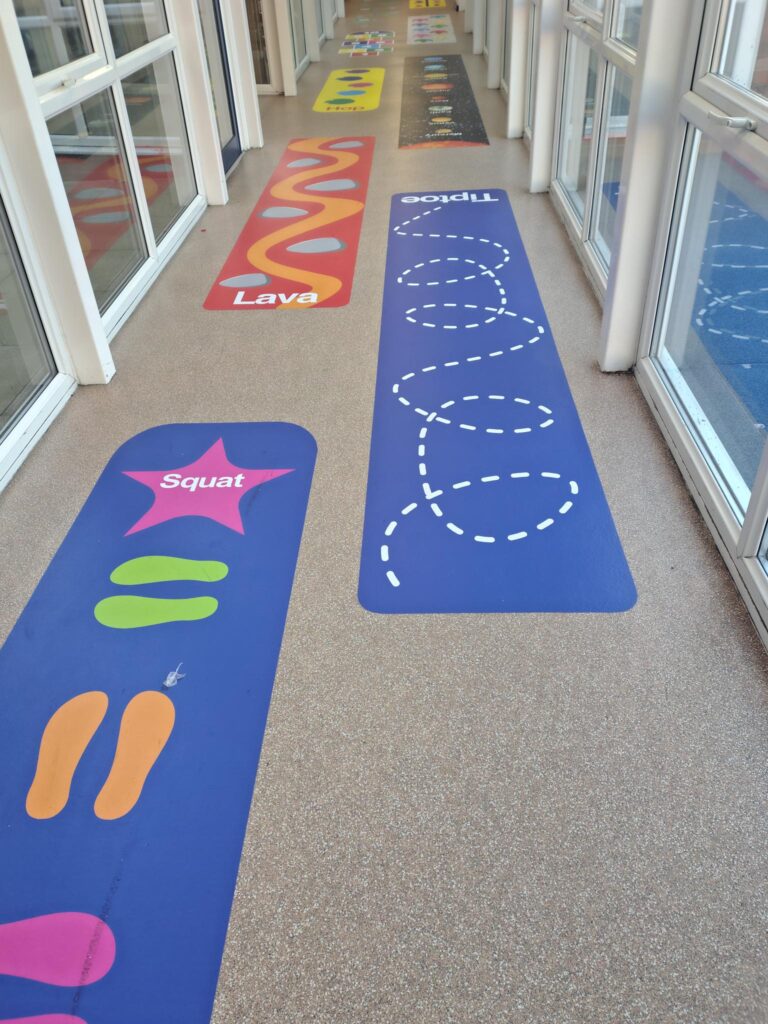
Reynolds Academy has transformed an existing corridor into a sensory circuit to better support children and young people with additional needs, thanks to funding from the High Needs Capital Grant Fund.
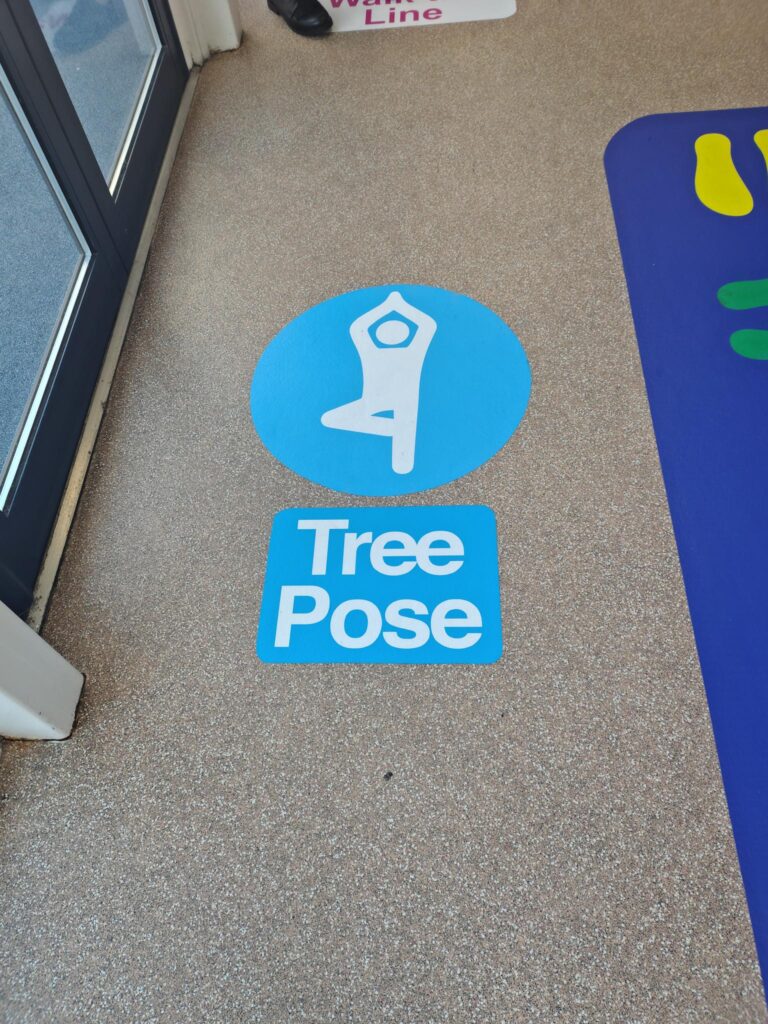
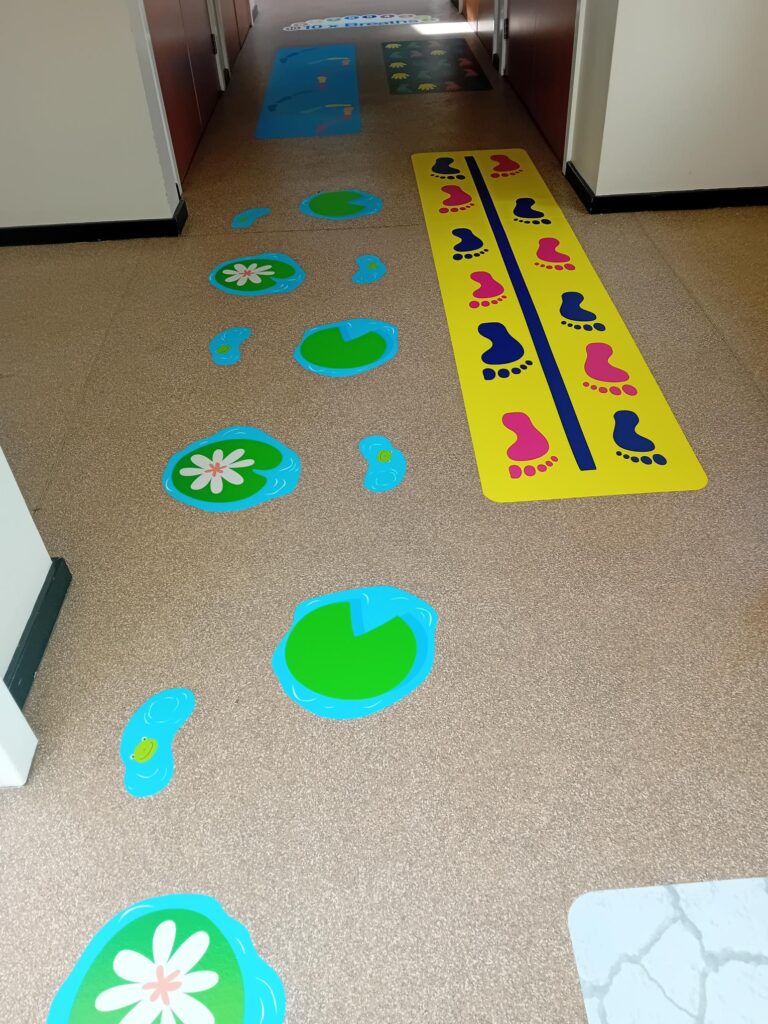
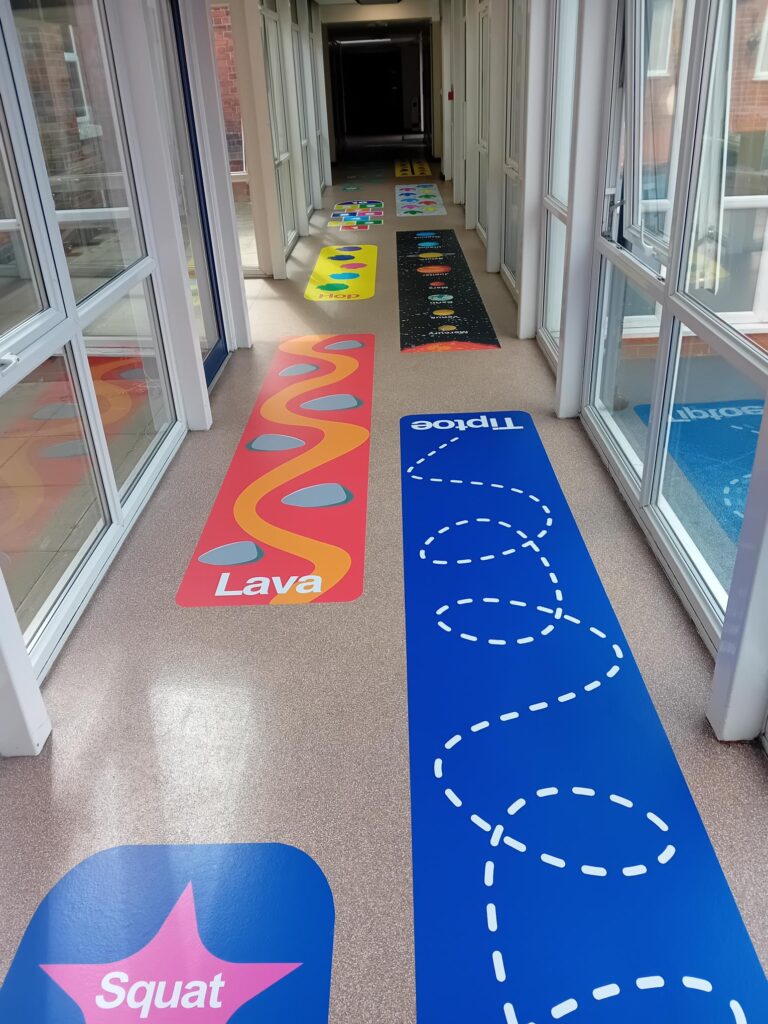
Facilitated by North East Lincolnshire Council, the fund enables educational settings to adapt their environments and create more inclusive spaces for pupils with SEND.
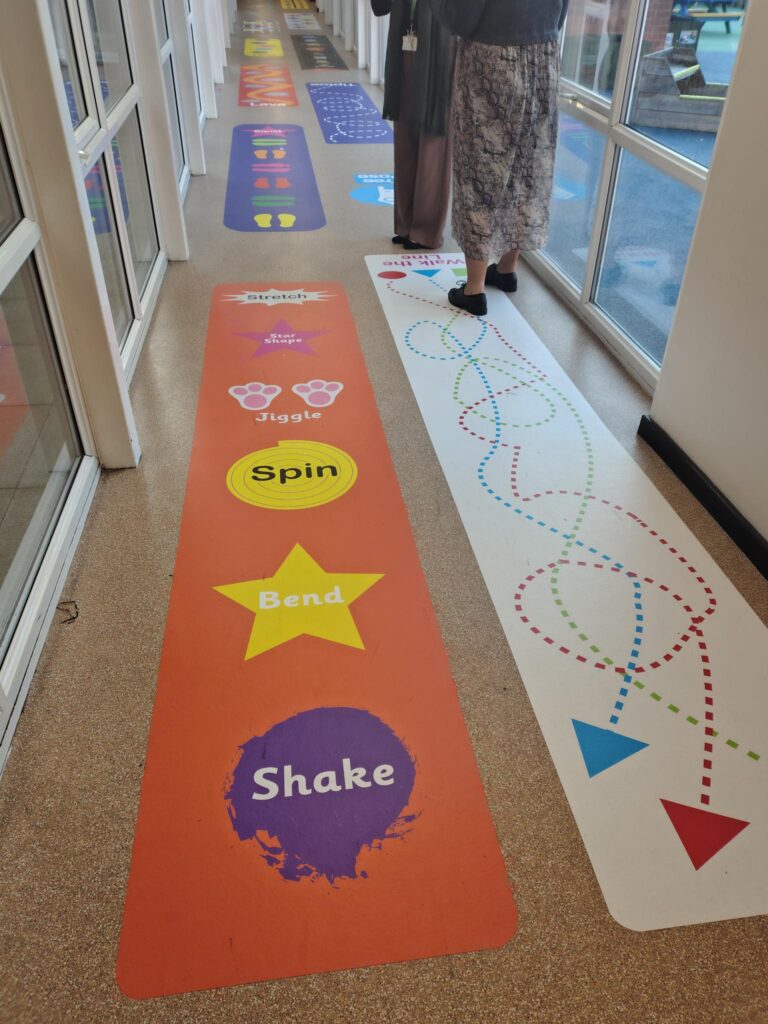
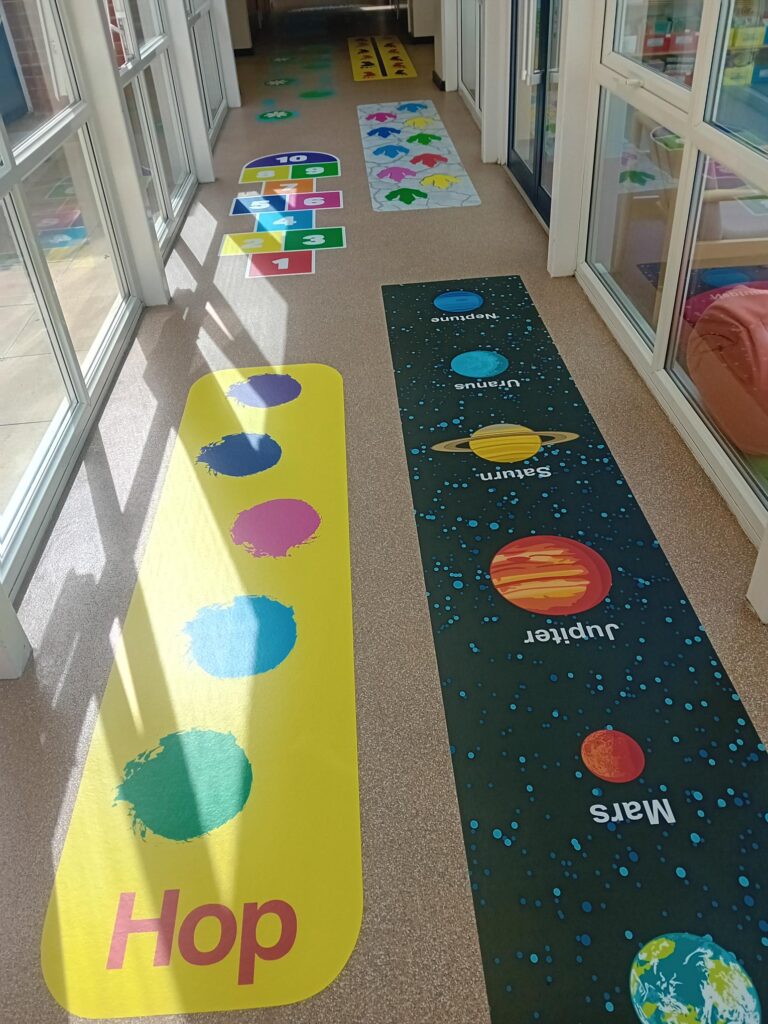
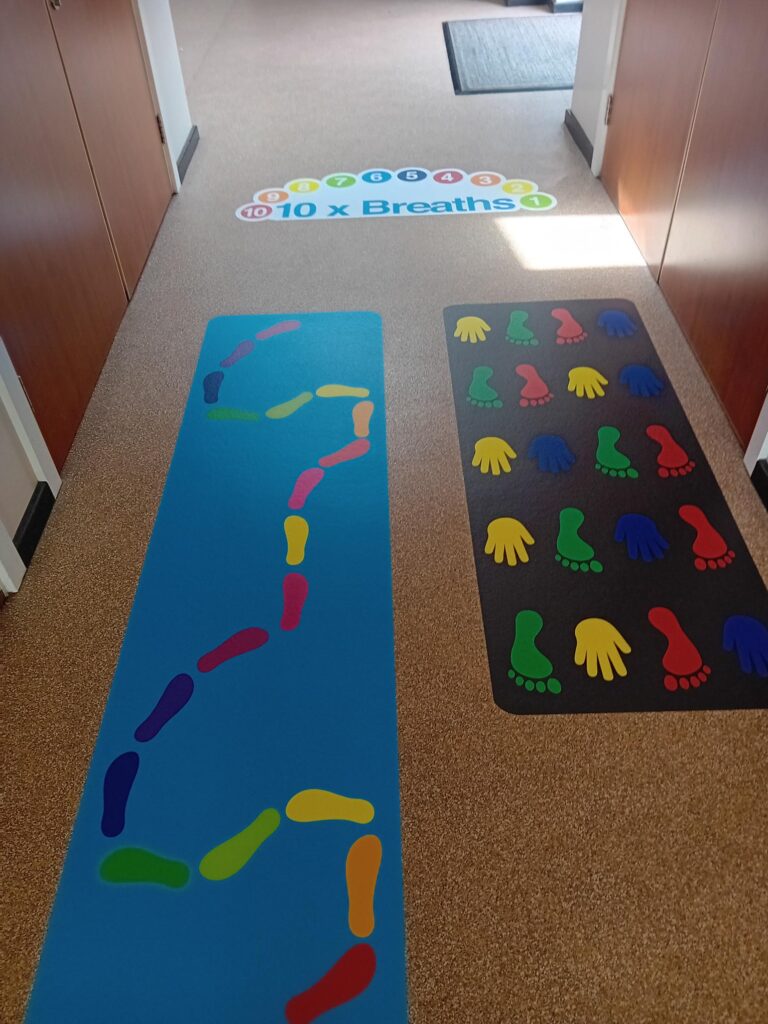
The academy has repurposed a main hallway into a sensory circuit, providing pupils with opportunities to take part in short, guided movement activities throughout the school day.
Samantha Haig, Special Educational Needs Coordinator (SENCo) at Reynolds Academy said: “The sensory circuit is a structured, inclusive space that supports pupils’ physical, emotional and cognitive development throughout the school day.
“Designed with purposeful movement activities along a corridor, it enables children to take part in brief guided exercises that help regulate their sensory systems before entering or returning to the classroom.
“For many pupils with SEND, particularly those with sensory processing differences, ADHD, autism or anxiety, movement is vital for maintaining focus and self-regulation.”
The sensory circuit provides opportunities for pupils to stretch, balance, push, pull and move in ways that can either calm or energise their nervous systems, depending on their individual needs.
Rebecca Scott, Principal at Reynolds Academy said: “Evidence shows that short movement breaks can improve concentration, memory and overall academic performance.
“Integrating movement into a familiar school environment encourages healthy habits without disrupting learning time.
“Pupils in every class have circuit breaks on their timetable.
“The circuit helps pupils return to class ready to learn, supporting attention, behaviour and emotional resilience.
“While the space has been designed with pupils who have additional needs in mind, it benefits all children by promoting wellbeing and positive learning behaviours.”
As well as supporting regulation and wellbeing, the sensory circuit encourages independence as pupils learn to recognise and respond to their own needs.
It also helps create a more inclusive school culture by recognising and accommodating different learning and regulation styles, ensuring every child feels understood and supported.
Ann-Marie Matson, Director of Children’s Services at North East Lincolnshire Council, said:
“The creative ways schools and settings are adapting their spaces to improve inclusion demonstrate a real commitment to meeting the needs of children and young people with SEND.
“Projects like this show how schools are thinking innovatively, creating flexible environments that provide targeted support for pupils with additional needs while benefiting the wider school community.
“The response to the High Needs Capital Grant Fund has been fantastic and reflects the dedication of teachers, SENCOs and school staff to embedding inclusion at the heart of everyday school life.
“It is encouraging to see settings investing in lasting improvements that will continue to support children and young people for years to come.
“The third round of the High Needs Capital Grant Fund launches in December 2026, with educational settings, from early years providers and childminders through to post-16 settings, able to apply for grants of up to £50,000.”





Share this article