Cleethorpes Townscape Heritage Programme
Jump to projects:
About the project
A vision to preserve the buildings that helped to make Cleethorpes one of England’s busiest and best seaside resorts has been realised, thanks to the National Lottery Heritage Fund.
Centred on Alexandra Road and Sea View Street, grant funding was available to help property owners to restore the historic shop fronts and buildings, some of which are listed.
The Victorian balconies along Alexandra Road were part of the overall scheme, along with public realm work. This complements the paving improvements on the Pier Gardens side of the road, which was supported separately by the Coastal Communities Fund.
This investment has helped to breathe new life into historic buildings and public realm within the Cleethorpes Central Seafront Conservation Area by offering;
- An opportunity for historic building owners/occupiers to apply for generous grants to repair their properties, allowing historic details, like shop fronts, iron balconies and windows to be repaired or reinstated
- Improved public areas
- Provided an opportunity for students, building owners and contractors to learn traditional building conservation skills
- A chance to learn about the history of the area, through local exhibitions, guided tours and volunteering opportunities
The Townscape Heritage, (TH) Project, supported by £1.9m from the National Lottery Heritage Fund with a further £1m from North East Lincolnshire Council, has realised the Council’s ambition to ensure the resort’s unique heritage features are restored for a new generation to enjoy.
Watch a video created in 2024 about the Cleethorpes Townscape Heritage Programme:
FAQs
Balcony and building front restoration projects
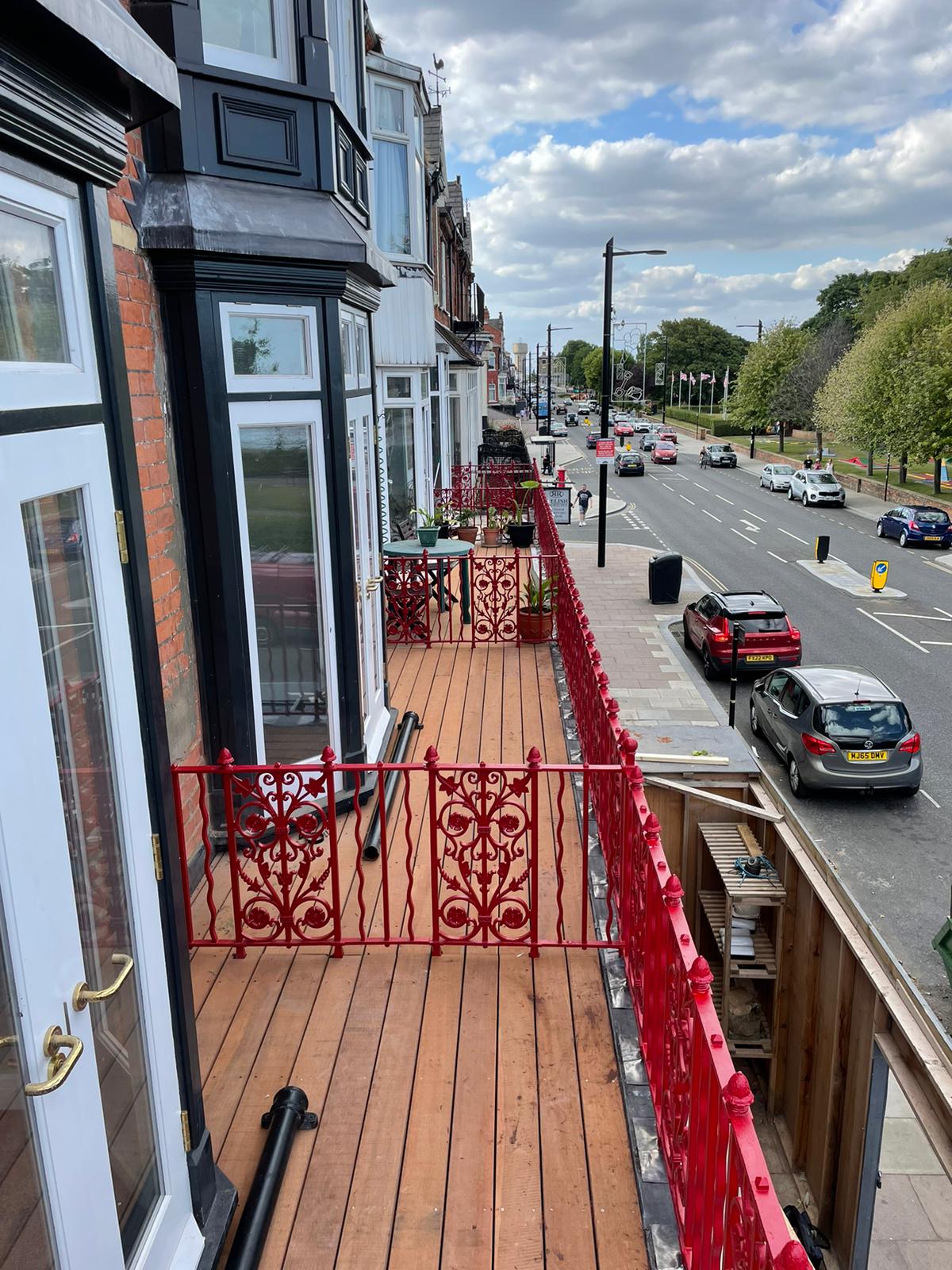
Through the project, with co-investment from private individuals, several balconies along the historic Alexandra Road have been restored.
Typically dating back to the early 1900s, the balconies were fabricated by several different Scottish foundries and front 26 properties. There are six blocks of differing designs along the road. Working with the Scottish Ironwork Foundation, research has been carried out to identify the designs and Scottish foundries that supplied the structures.
Paint analysis research has been undertaken working in partnership with The University of Lincoln School of History and Heritage Dept, to determine the original colour of the balconies in the resort, and has helped identify a range of heritage colours for the balconies to be painted.
Typically, for the balcony restorations, these have been removed off site, away from the marine environment, for stripping back to the cast iron, priming and re-painting.
Constructed circa 1885, the front of the Grimsby & Cleethorpes branch of RAFA (Royal Air Forces Association) building has had the 140-year-old rotten timberwork replaced, and the 1970s porch gone with a traditional door installed. The blue masonry paint has also been changed for a more sympathetic stone colour in keeping with the Victorian era. You can take a virtual walk around the RAFA building in the Matterport scan below.
The balcony from Numbers 21 to 24 Alexandra Road was manufactured by J & A Law Glasgow and is marked on columns. Similar columns exist at Southport in their 1902 catalogue, thus dating this structure to the early part of the last century. Other similar examples of the balcony panels exist as balconies at Worthing, and as a railing in Edinburgh. Shop fronts and building enhancements have also been undertaken within the project at numbers 21-22 and 24, Alexandra Road.
Number 41 Alexandra Road, also known as Woodliffe Villa is a Grade II listed building. As part of the works, the late 20th century shop front was replaced with a new shop front to the original design and entrance and redecorated using colours chosen as part of the heritage scheme. This property has its own single cast iron balcony.
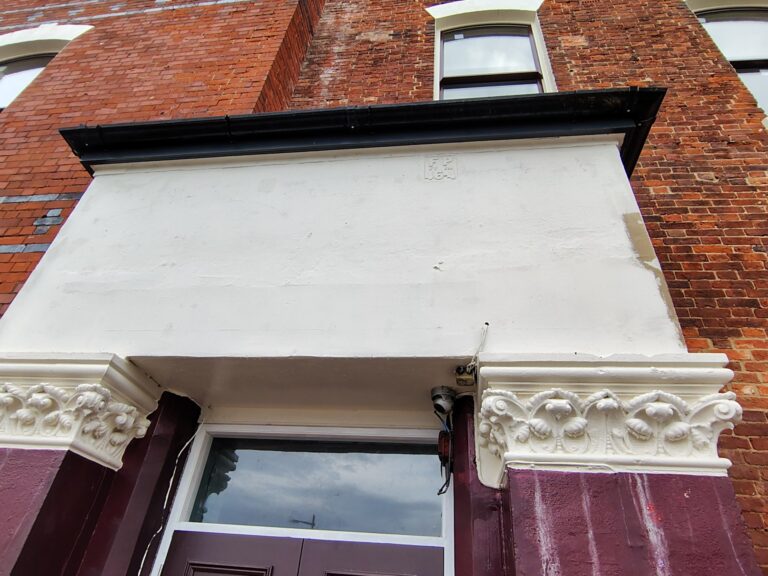
Number 33 Alexandra Road has had a colourful past, including being a purveyor of oysters in the early 20th century, Newman’s jewellers in the late 1960s and more recently, a string of different occupiers. The building facade has been updated, including restoration of the shop front to its Victorian heritage.
42-45 Alexandra Road: This stretch of buildings on Alexandra Road consists of a terrace of several purpose-built shops with residential accommodation behind and above, along with a cast iron balcony on the front elevation, built between 1887 and 1906. The cast iron restoration is currently on site and due for completion in early 2026.
35 – 37 Sea View Street was a former grocers and newsagents store. Through the National Lottery Heritage Fund, there has been a heritage restoration to the façade of the building, and alongside this, the owners undertook a full internal refurbishment of the property. Heritage works start at 35 – 37 Sea View Street, Cleethorpes | NELC. This was the location of the Sea View Street historic bottle.
Balcony photos – use the arrow to scroll through these.
 National Lottery Heritage Fund
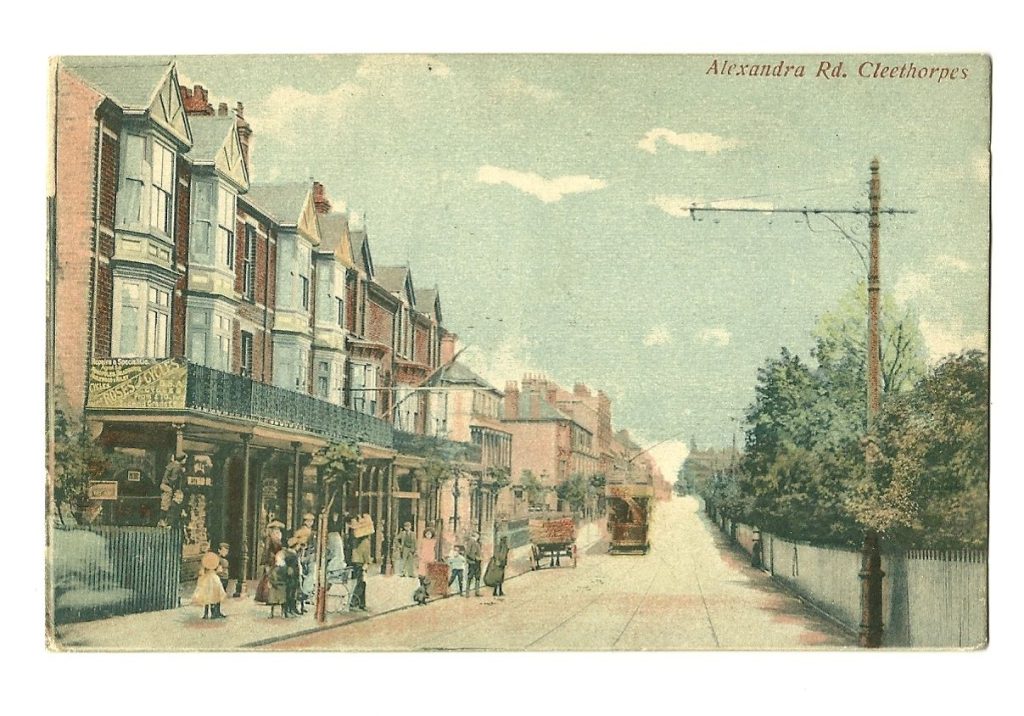 1906 Alexandra Rd
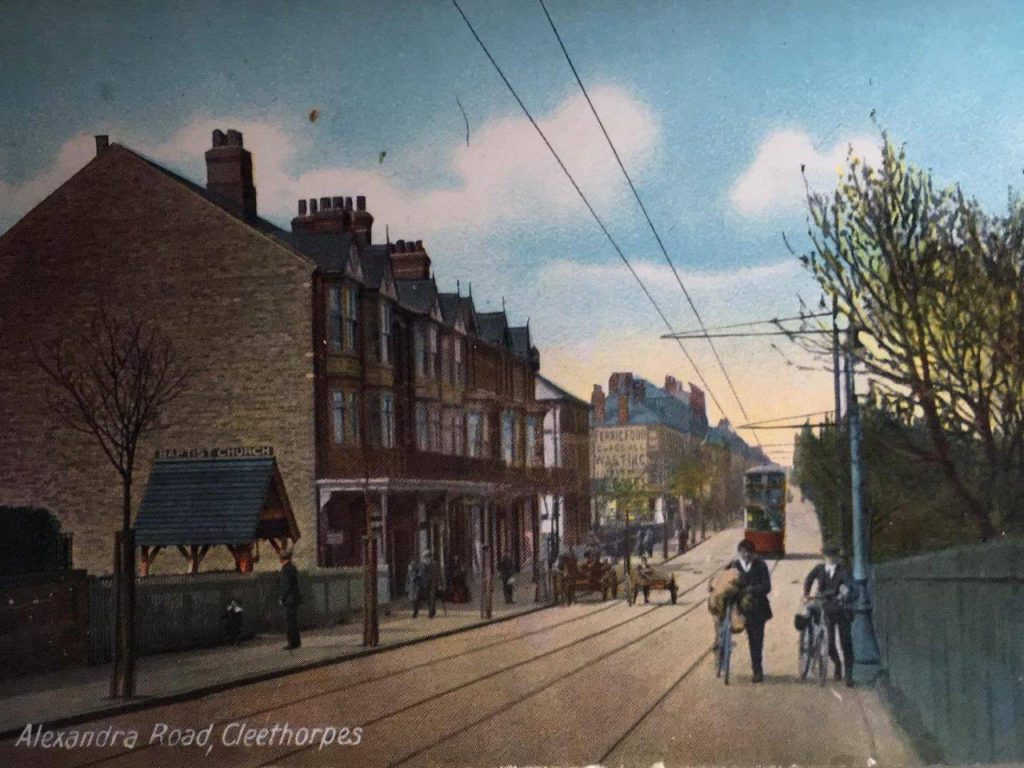 1906c Alexandra Rd Baptist Church to Yarra Road
 1948c Alexandra Rd towards Empire
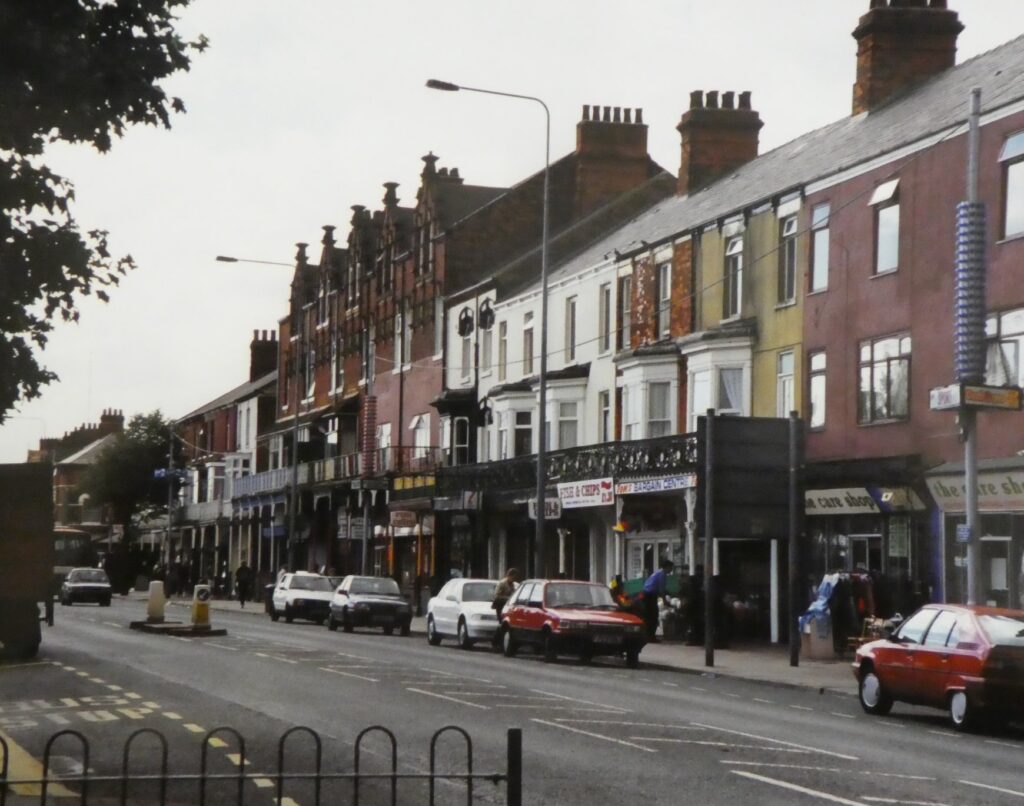 1999 Dec – Alexandra Rd, Cleethorpes
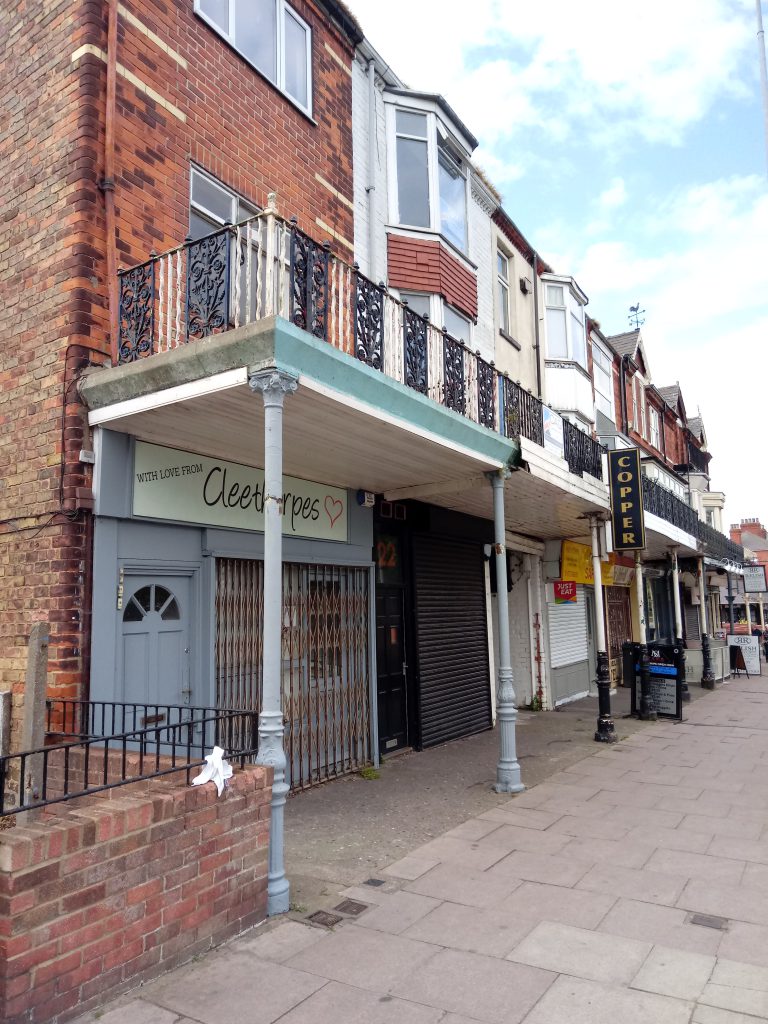 21-27 Alexandra Road 2020
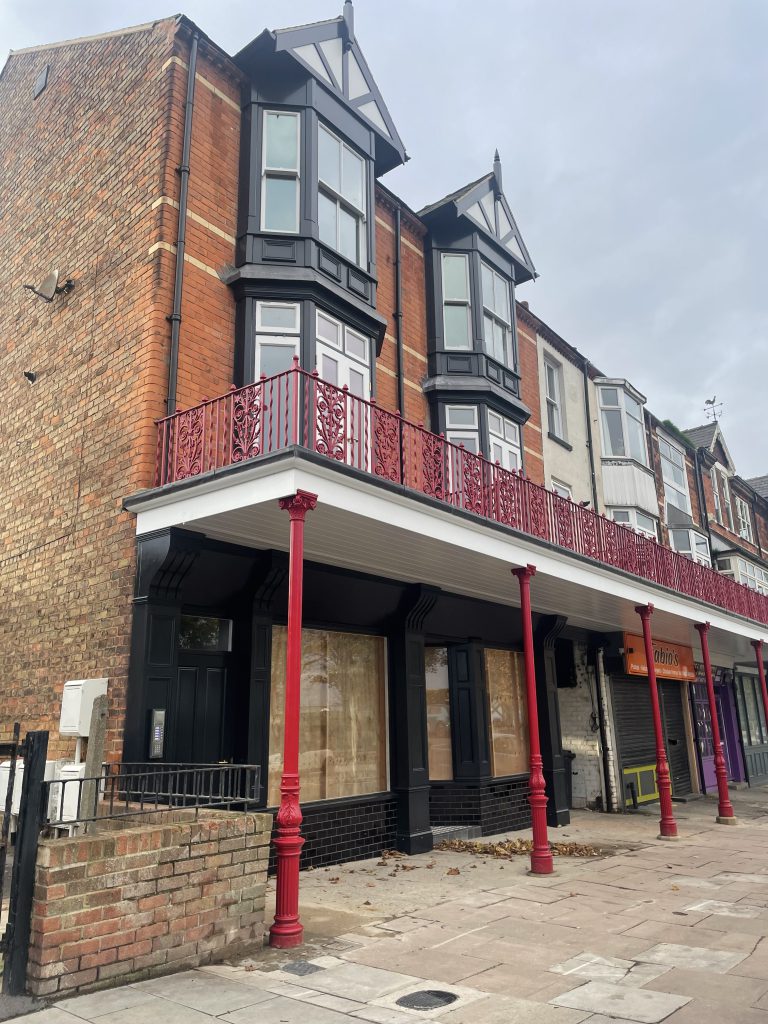 21-24 AR balcony-completed Oct-22
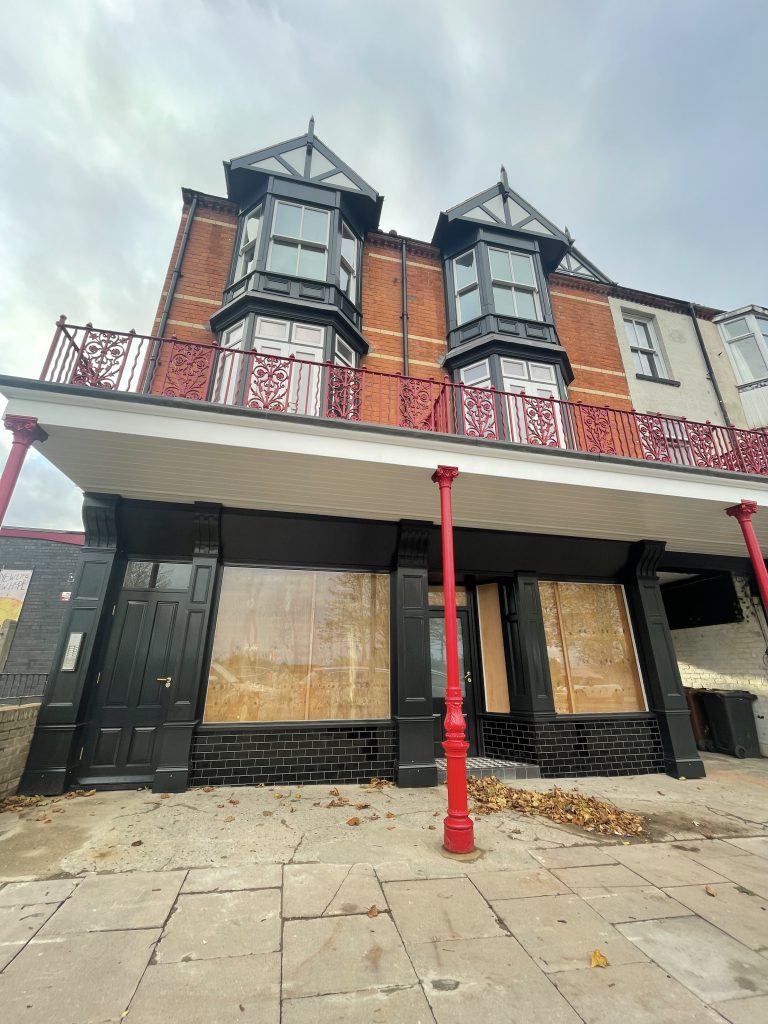 21-22 Alexandra Road shop front
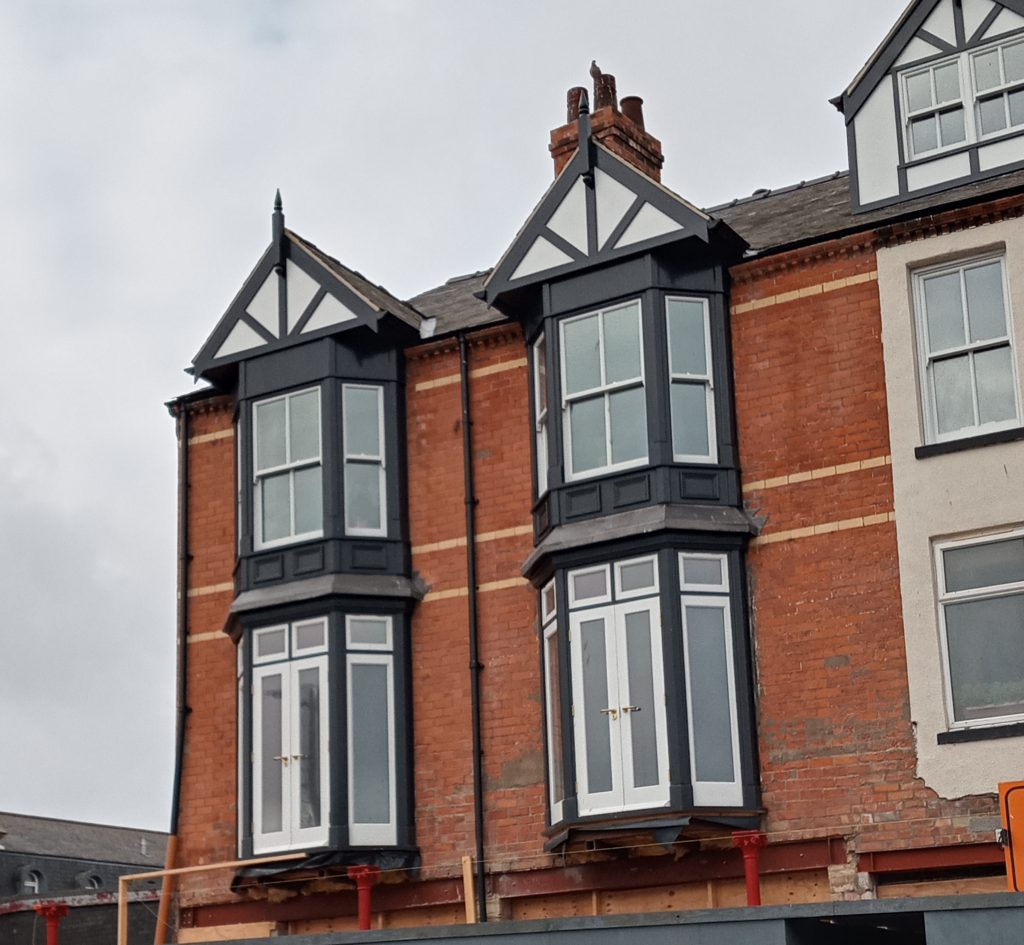 21-22 Alexandra Road upper floors
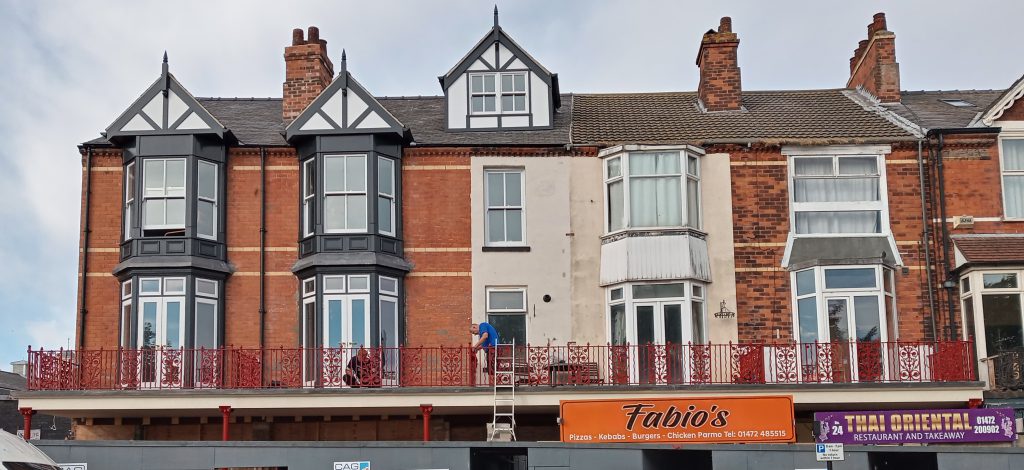 Balcony restored
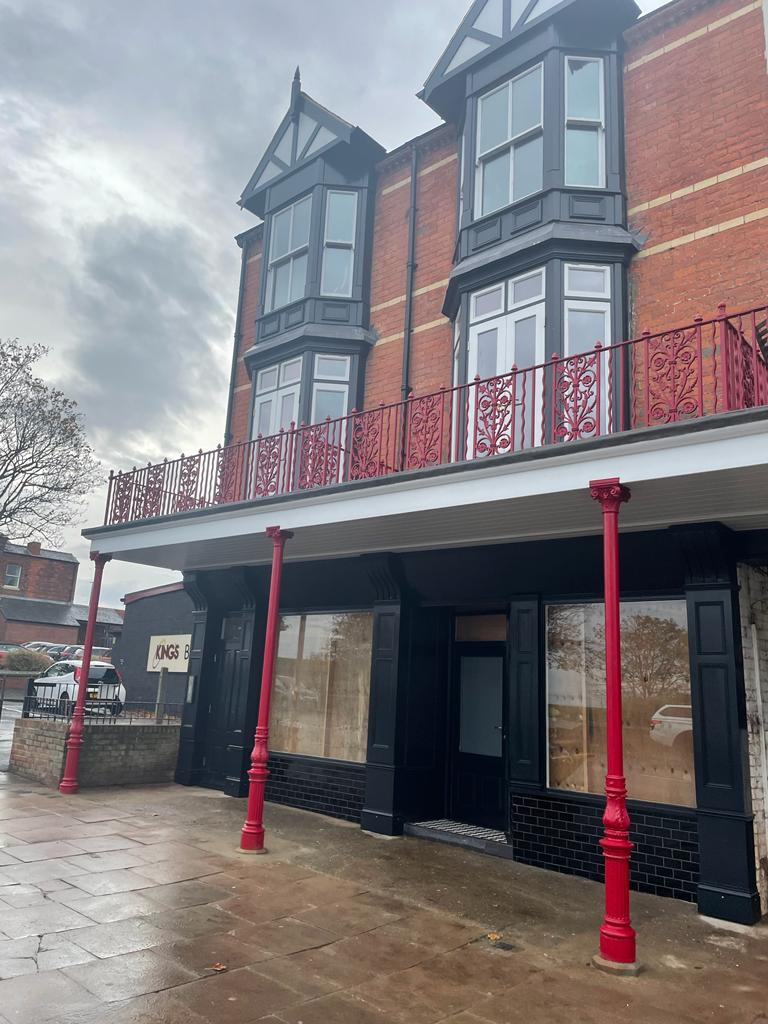 21-22 Alexandra Road shop front, balcony and upper floor restoration
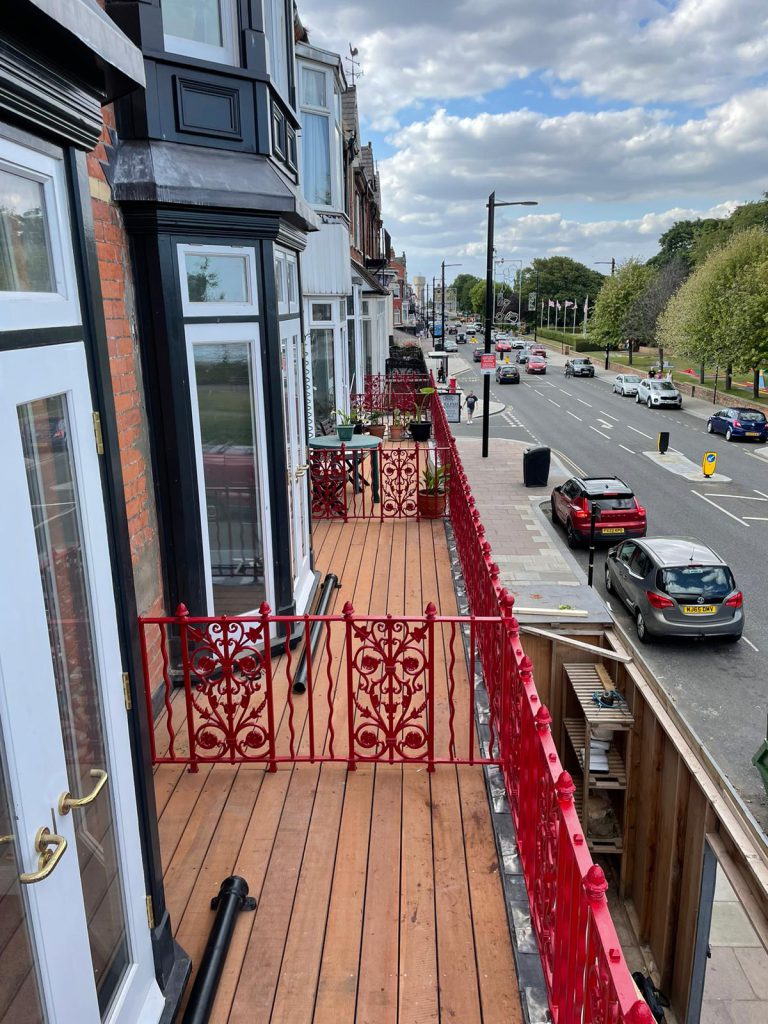 Restored balcony (21-22 Alexandra Road)
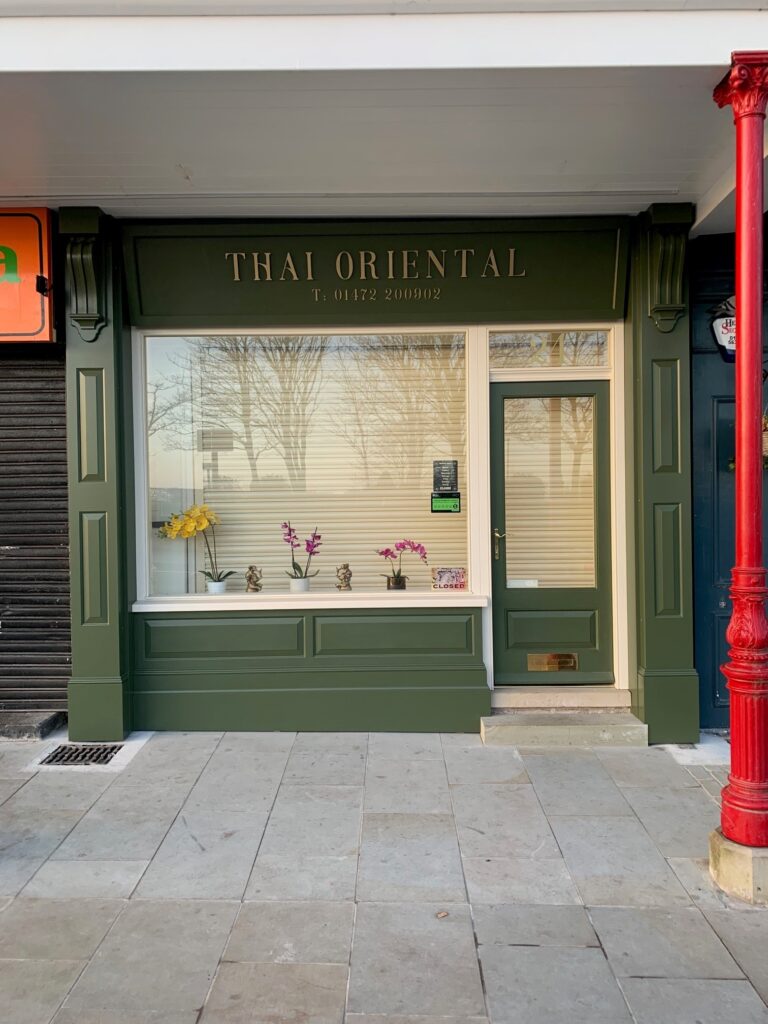 No 24 Alexandra Road Shop front
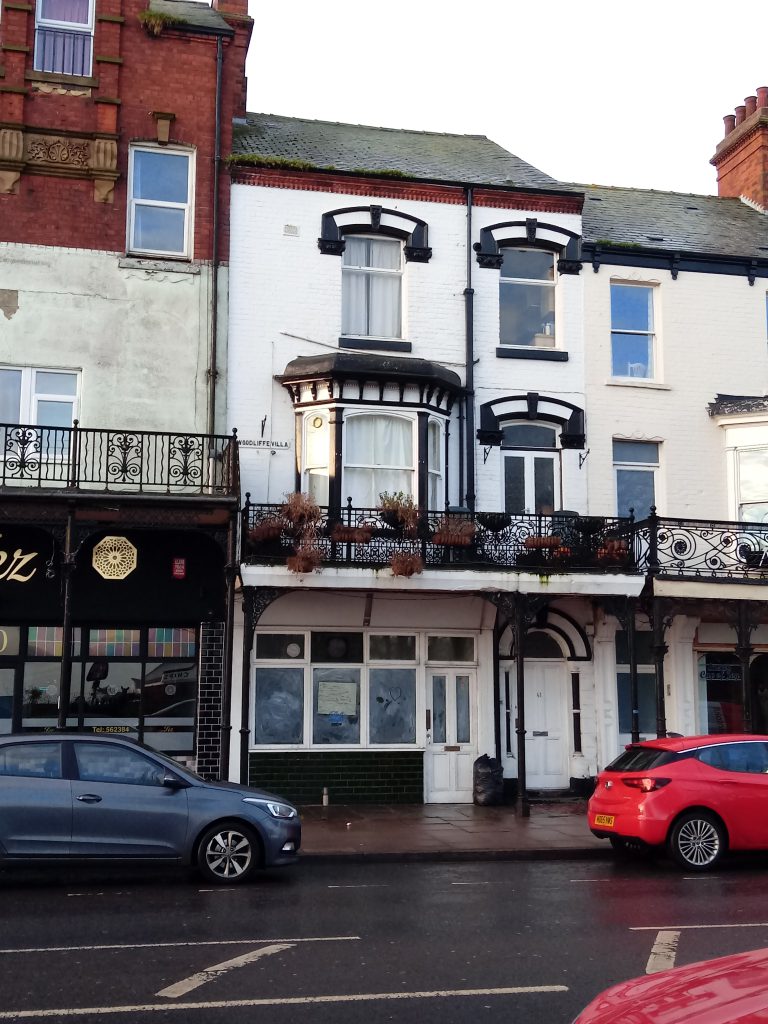 41 Alexandra Road – Original shop front and balcony
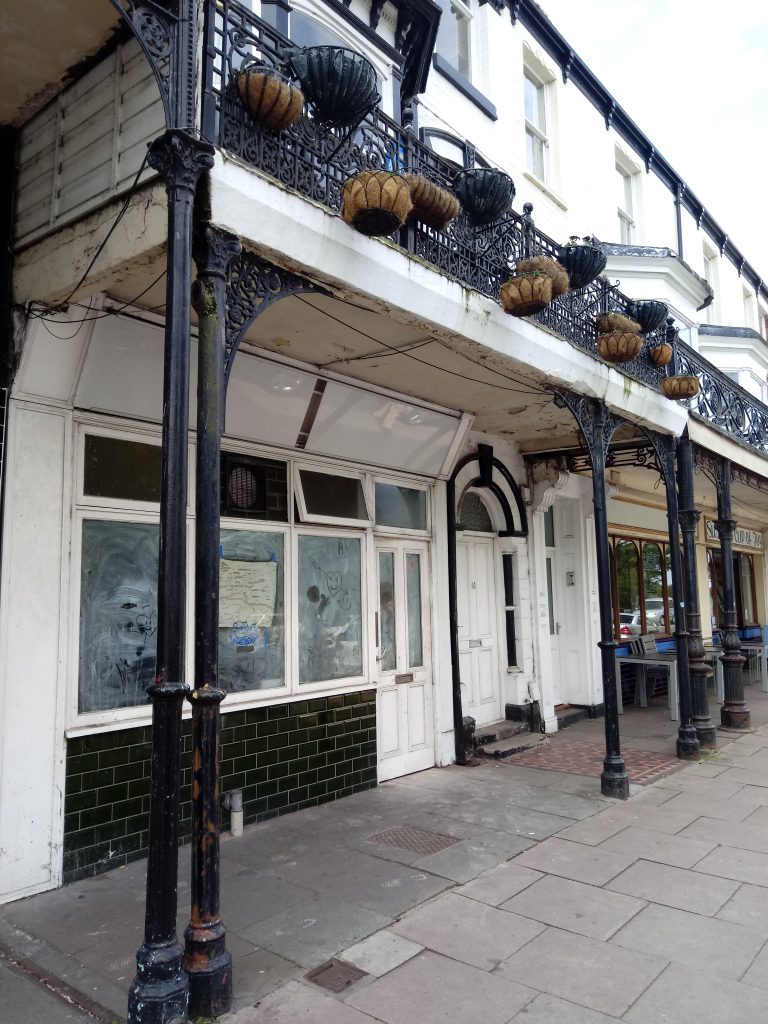 41 AR Original shop front
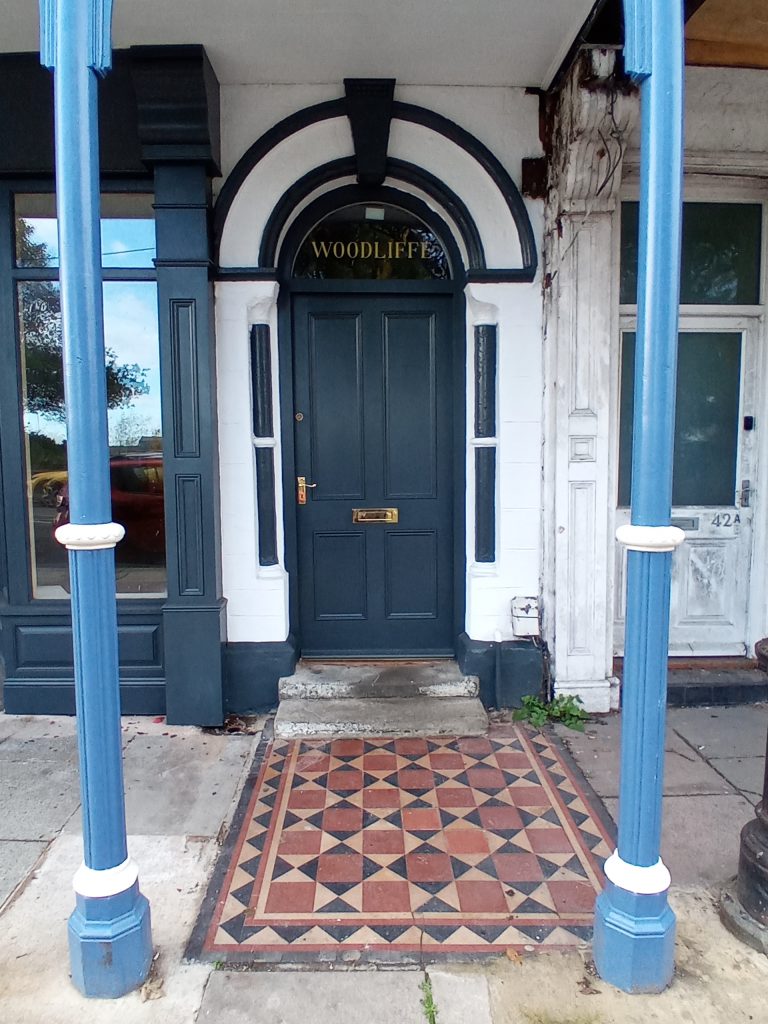 41 AR – Front door including the name of the building in the skylight
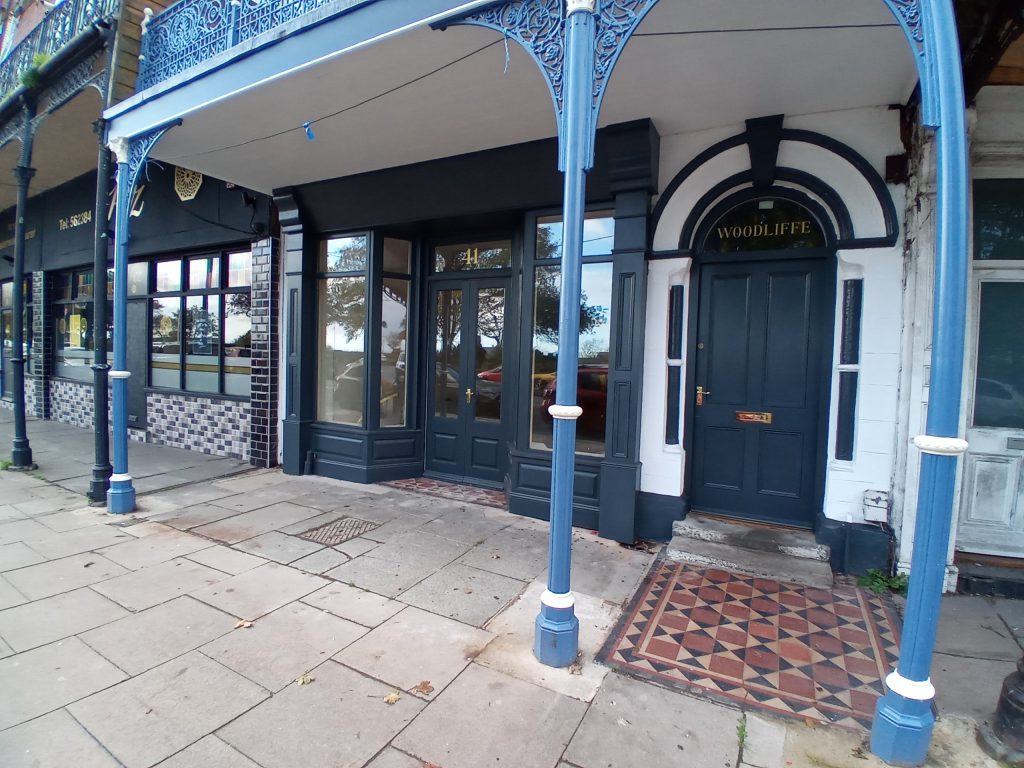 41 AR Shop front and front door
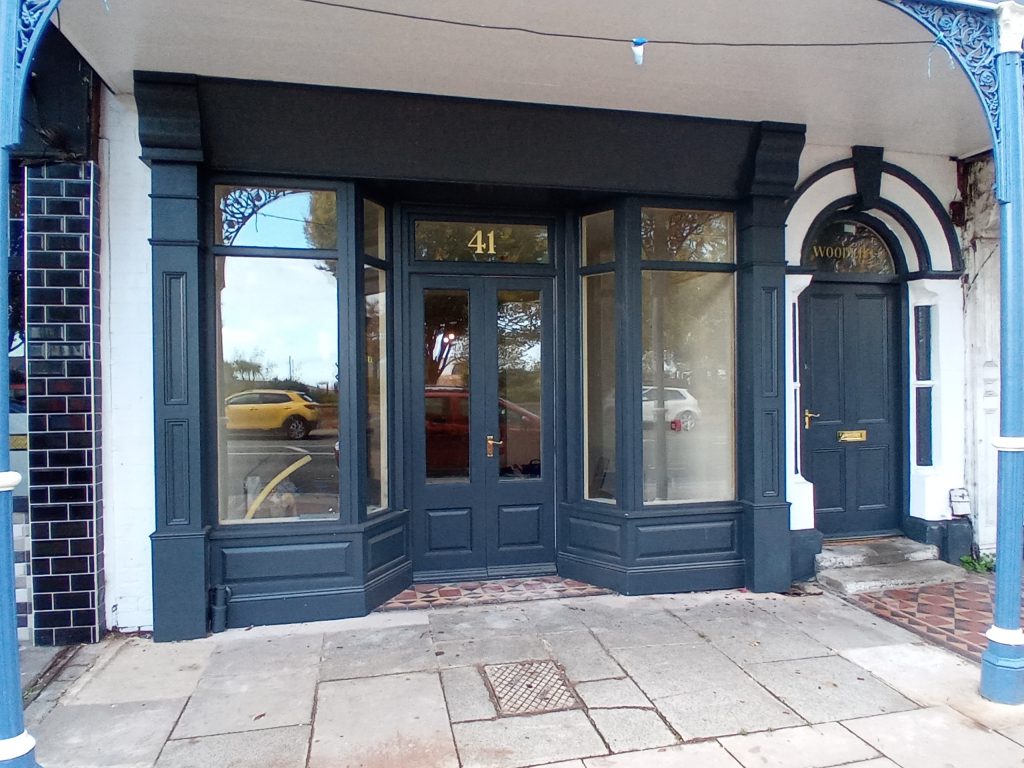 41 AR Redecorated and rebuilt shop front
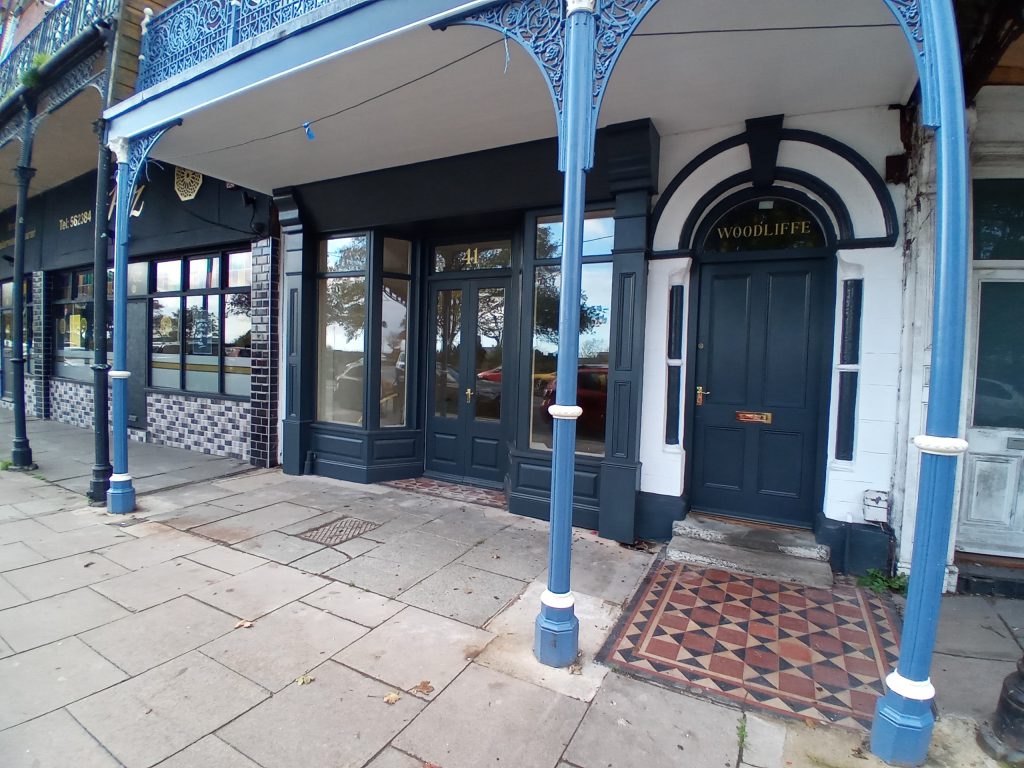 41 AR restored shop front
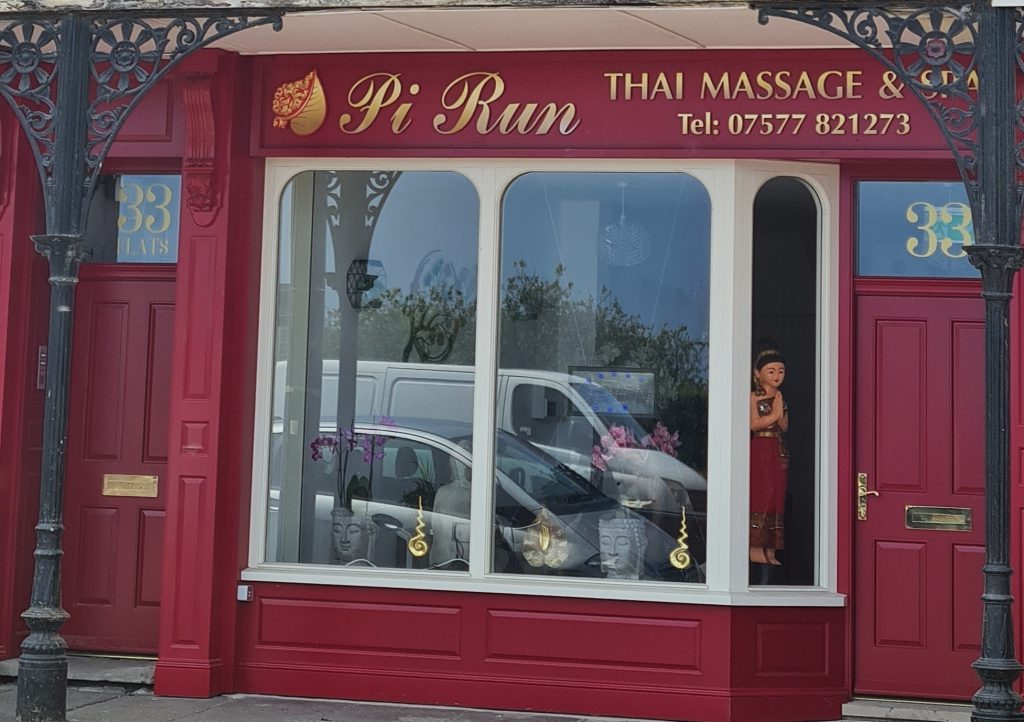 33 Alexandra Road Ground floor restored
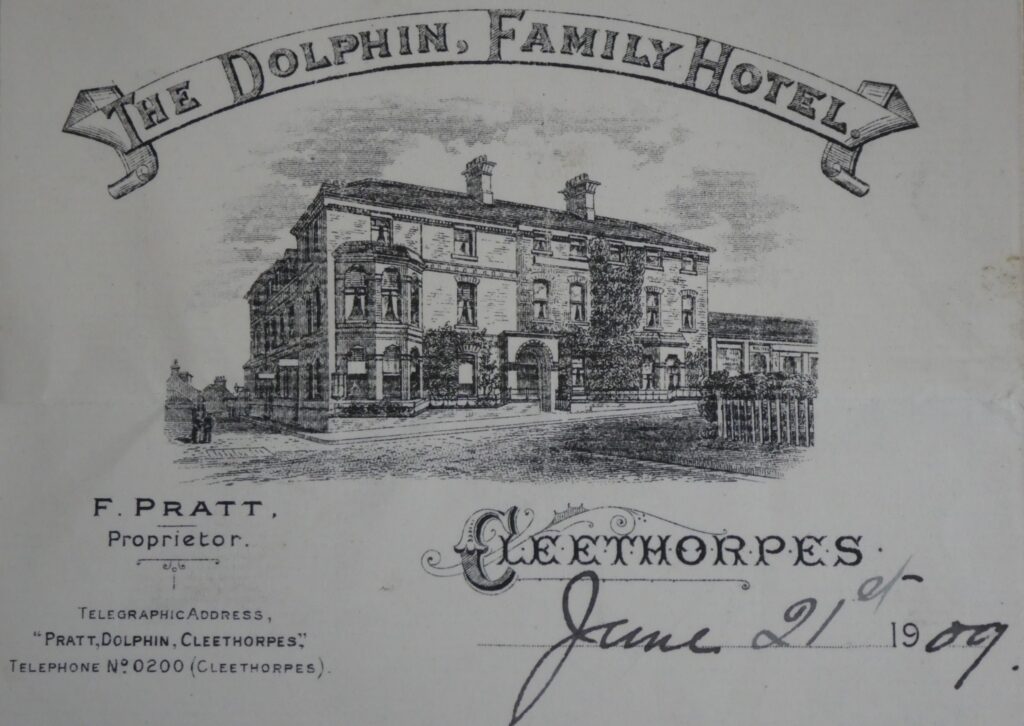 Dolphin Hotel 1909, credit NEL Archive Service
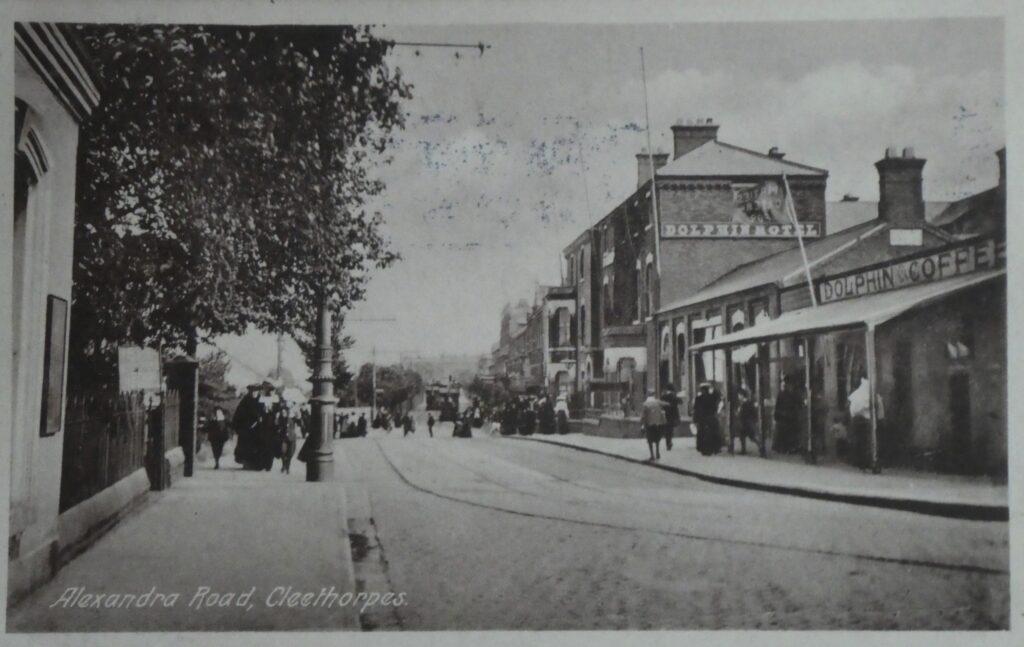 Dolphin Hotel c1910. Credit NEL archive service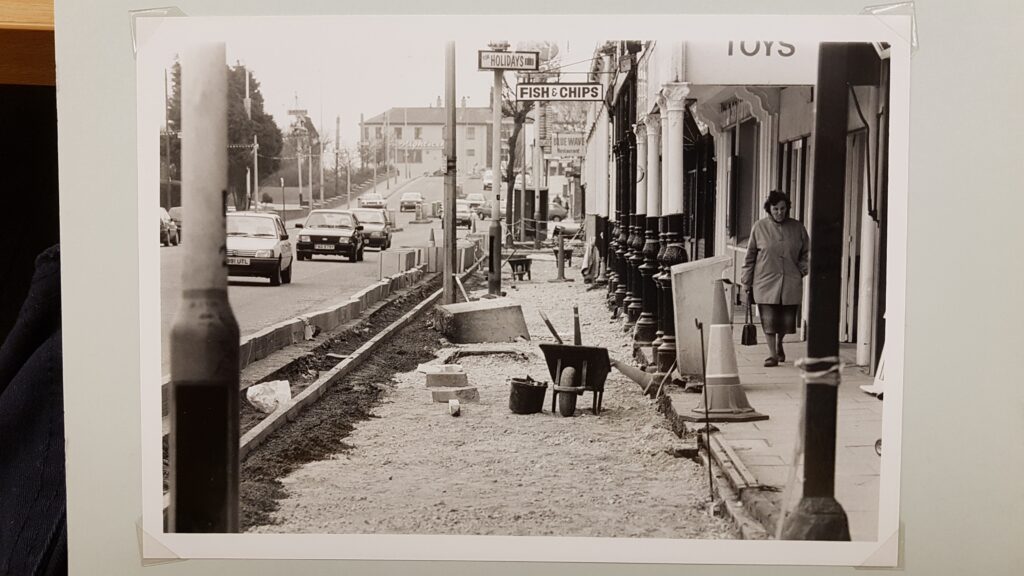
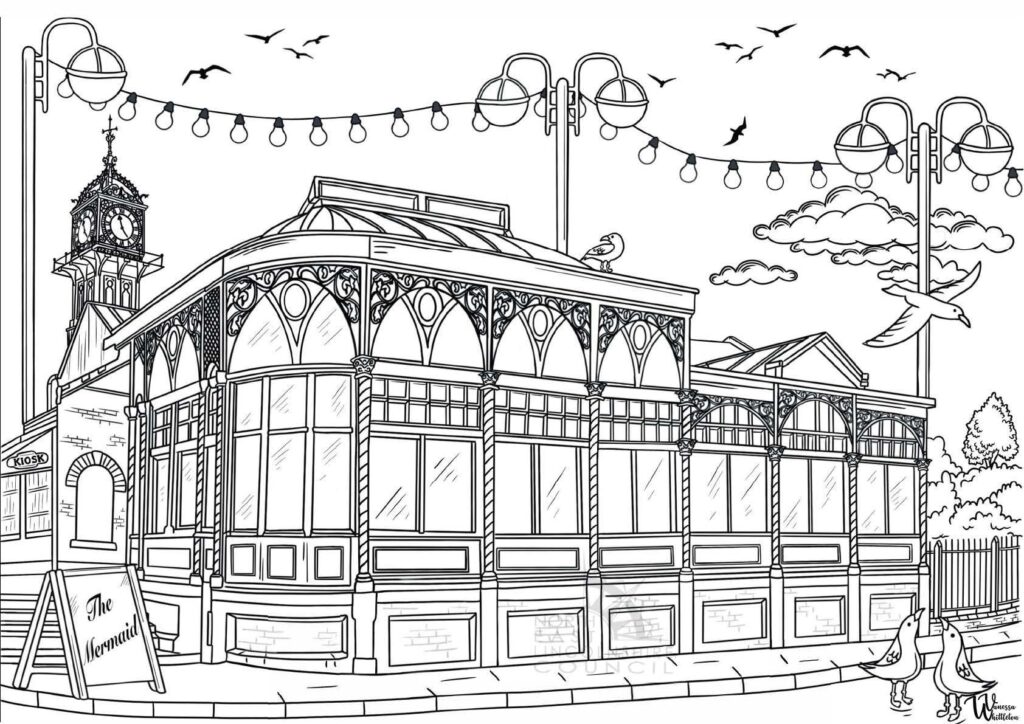
Mermaid Café
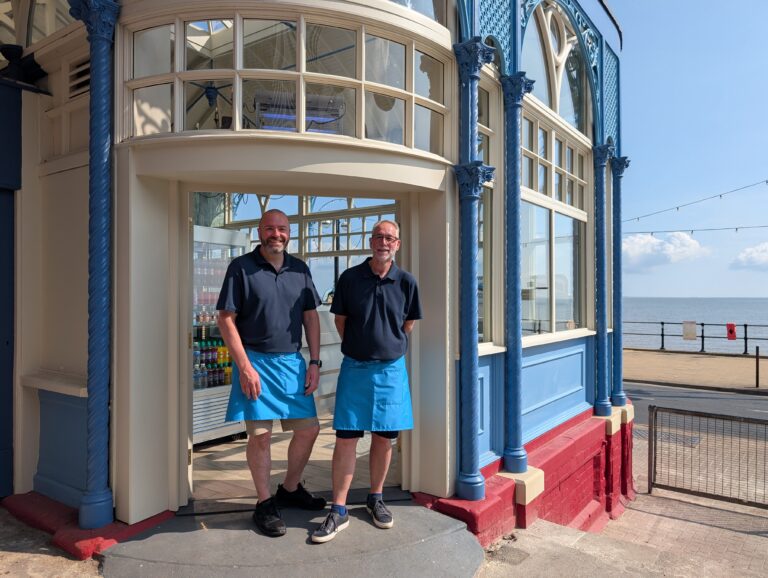
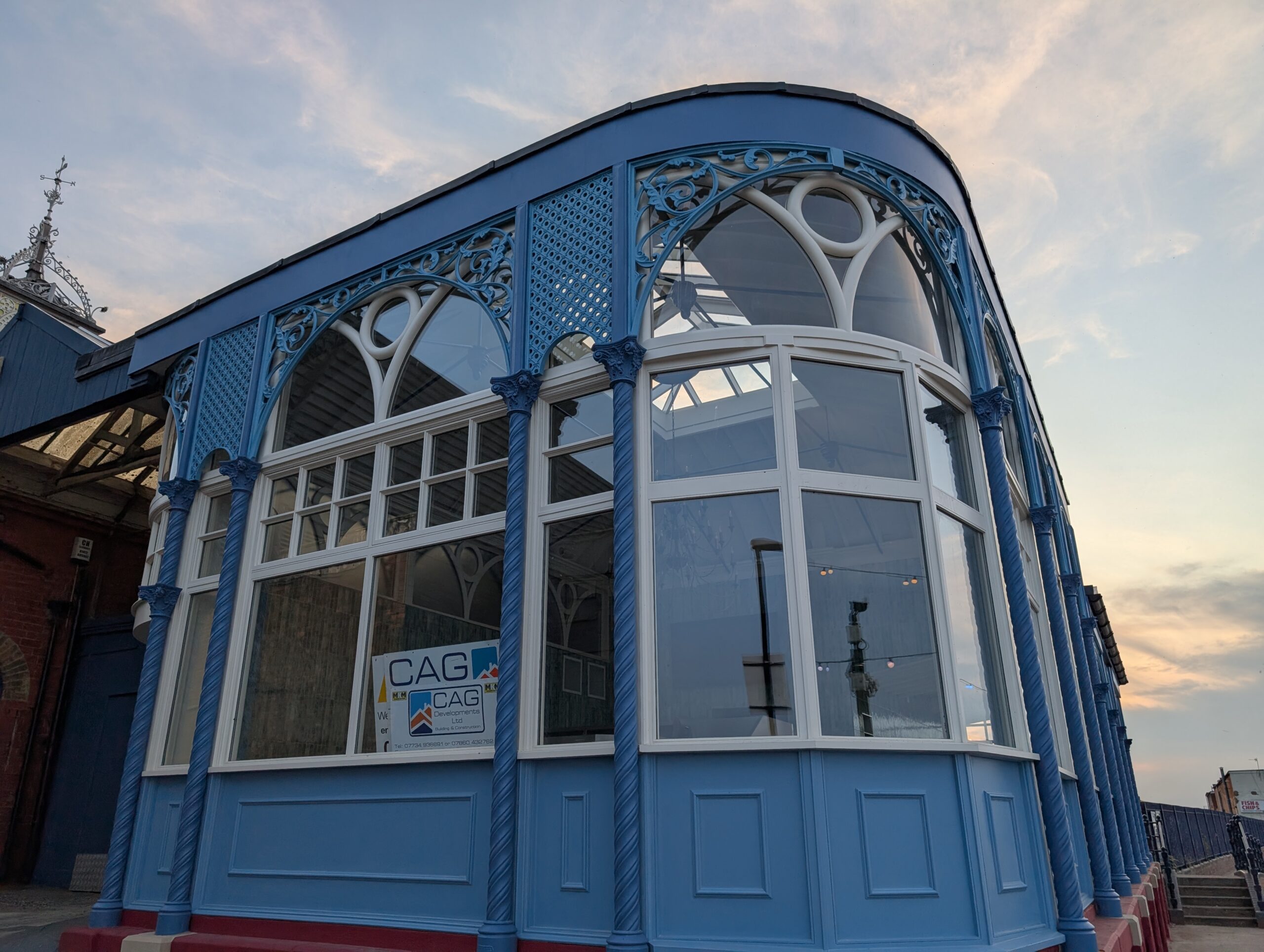
150 years ago, in 1874, the Mermaid Café building on Cleethorpes North Prom sea front was constructed as a waiting room for the recently opened Manchester, Sheffield and Lincolnshire Railway. It now forms part of the listed buildings on Cleethorpes Railway Station. The Townscape Heritage project provided grant support to carry out full external restoration including the cast iron, reroofing, and replacement timber panelling with double glazed windows. The leaseholders have restored the interior of the building, with support from The Railway Trust helping to co-fund the renovation. Mermaid rides the crest of a wave in Cleethorpes | NELC
- National Lottery Heritage Fund
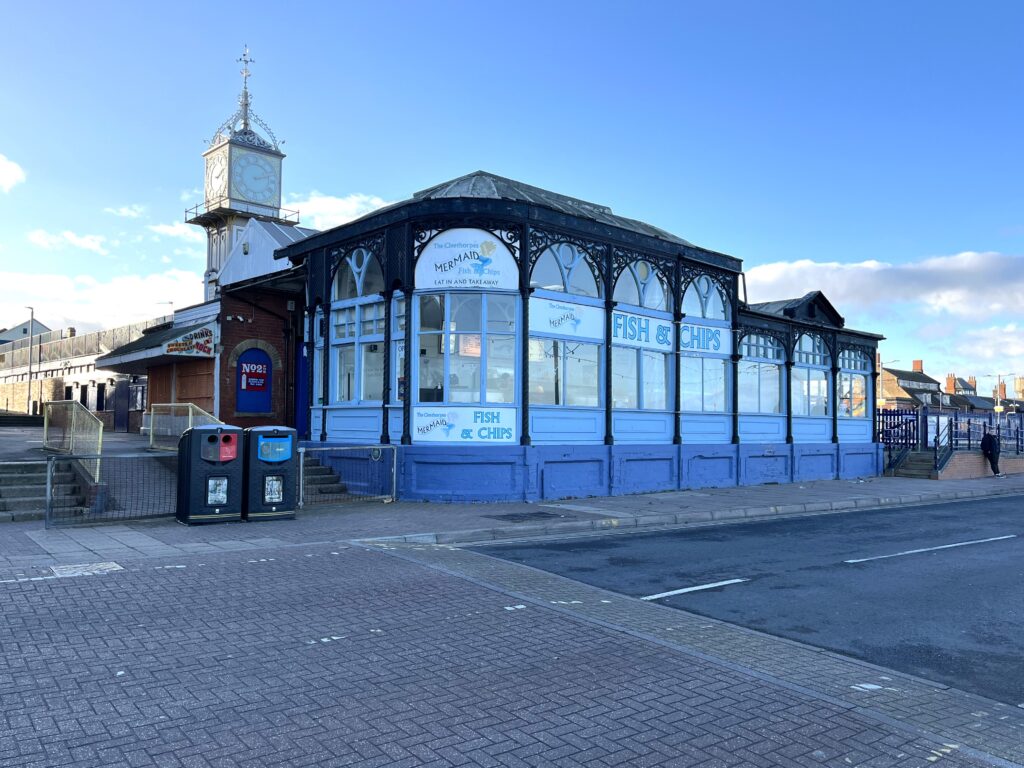 Mermaid Cafe original exterior
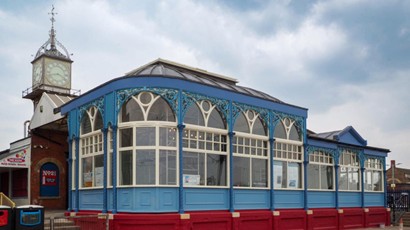 Restored exterior
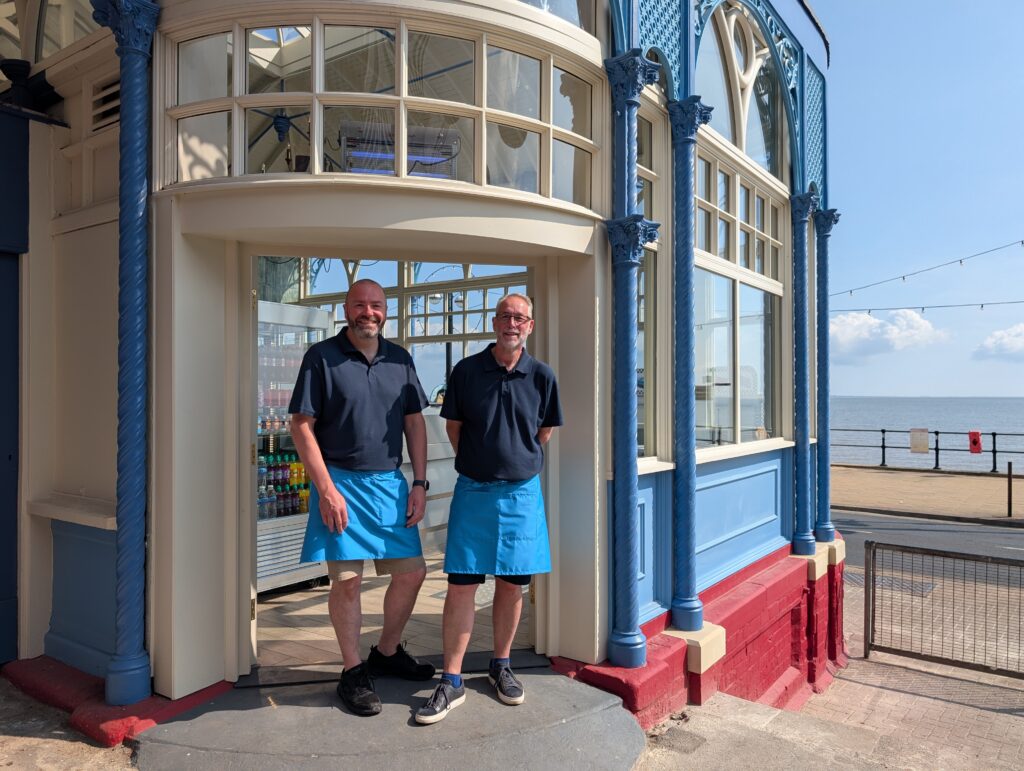 Cafe owners in the doorway of the cafe
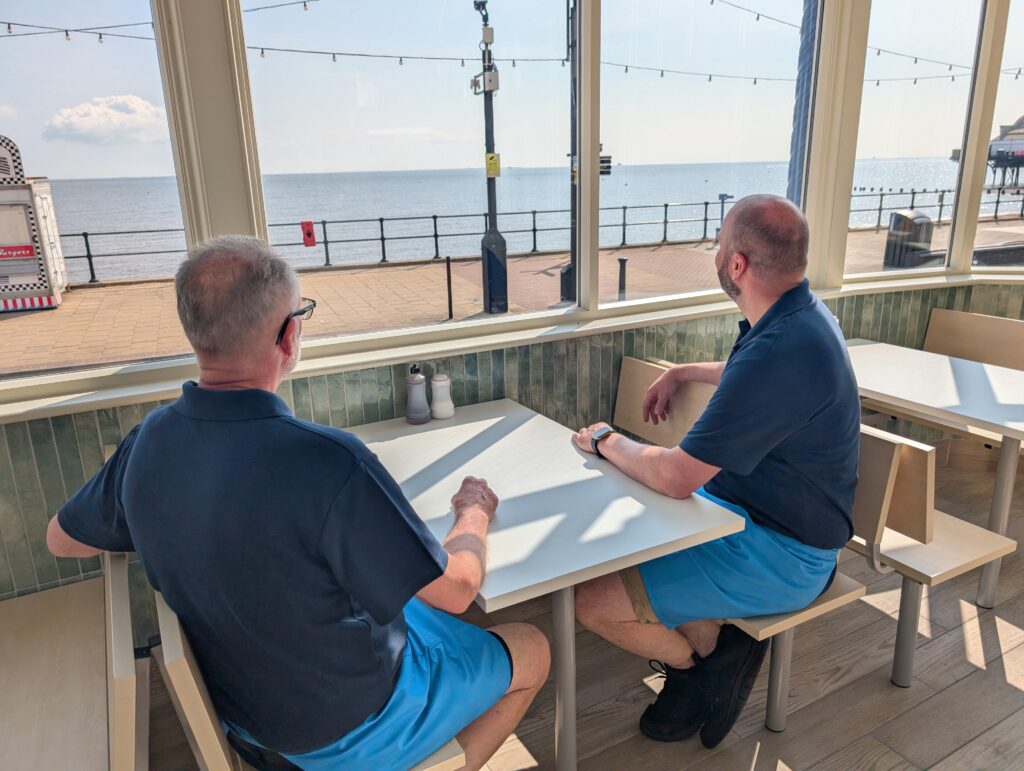 Owners looking outside from the interior
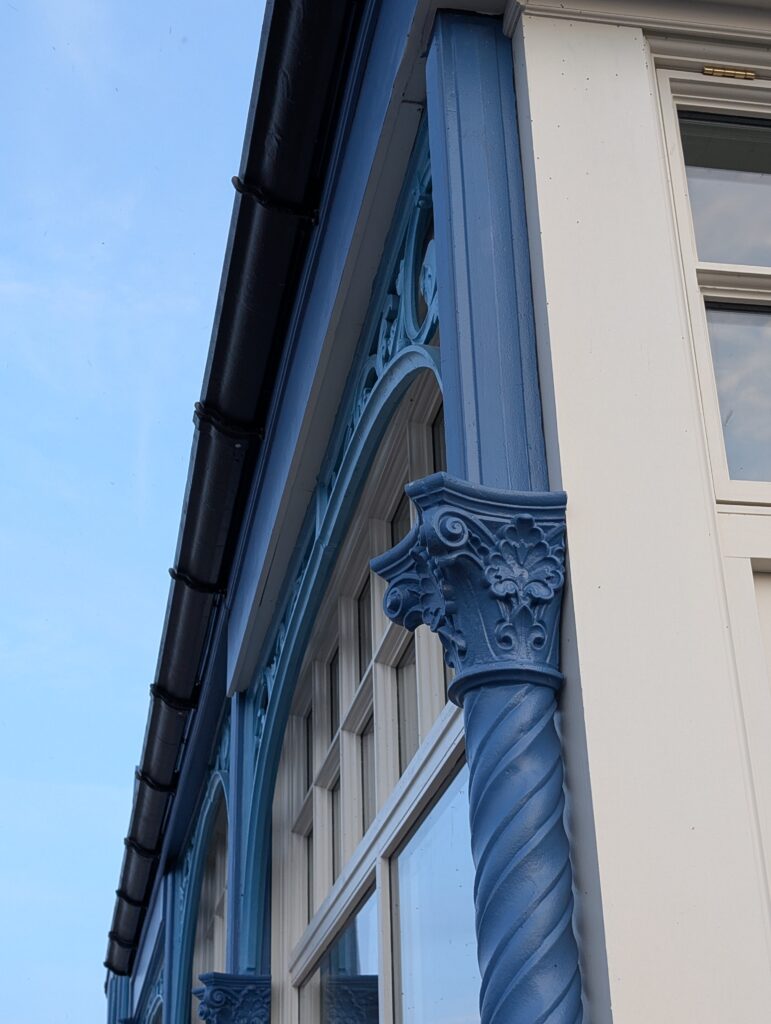 Mermaid Cafe restored exterior
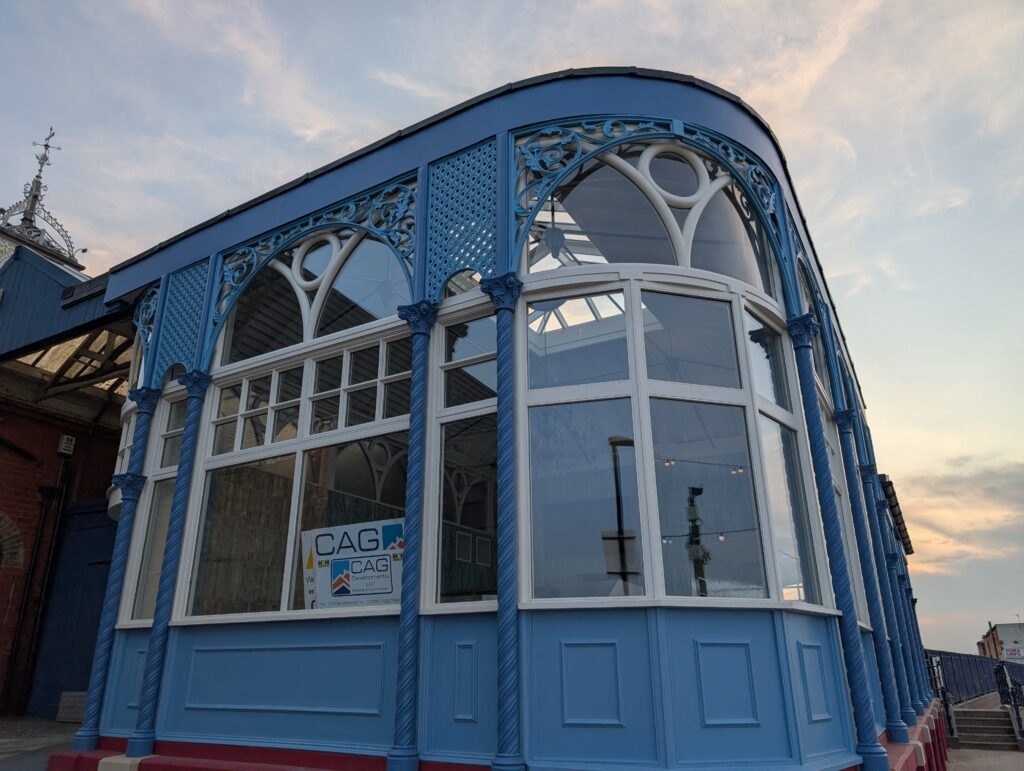 Mermaid Cafe restored exterior
Dolphin Hotel
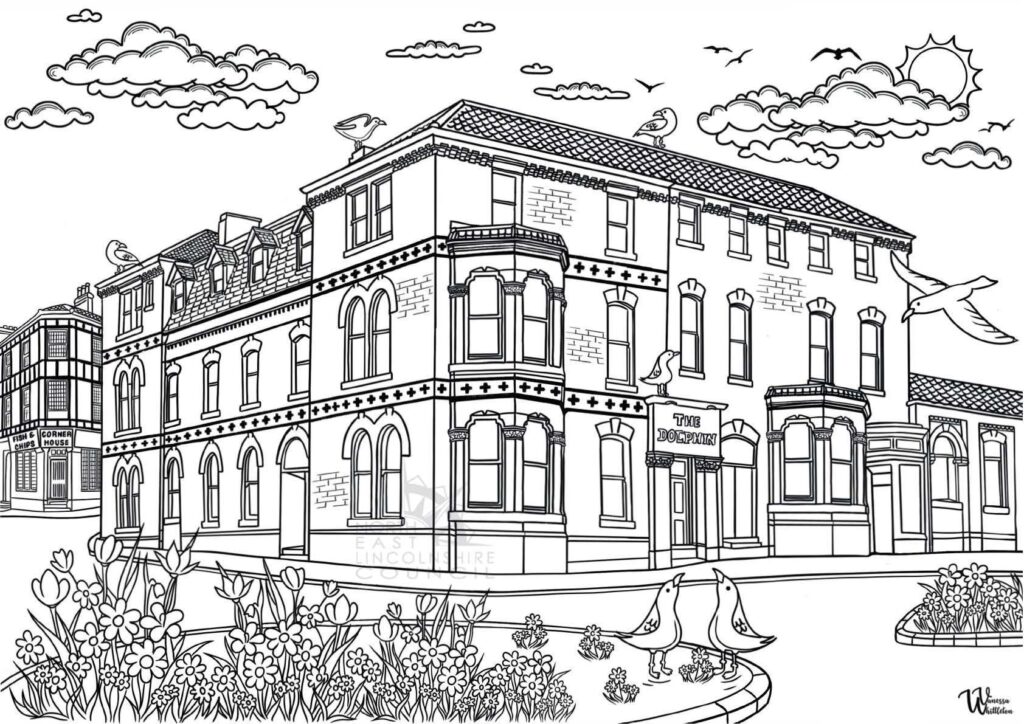
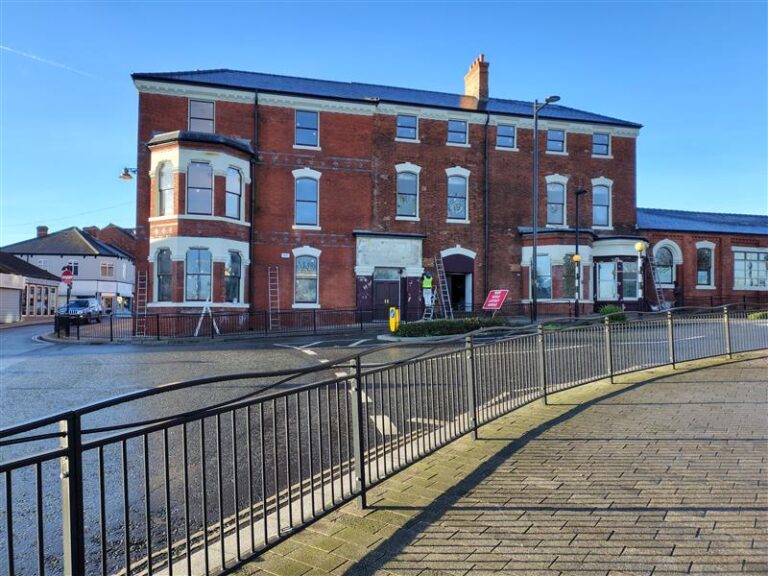
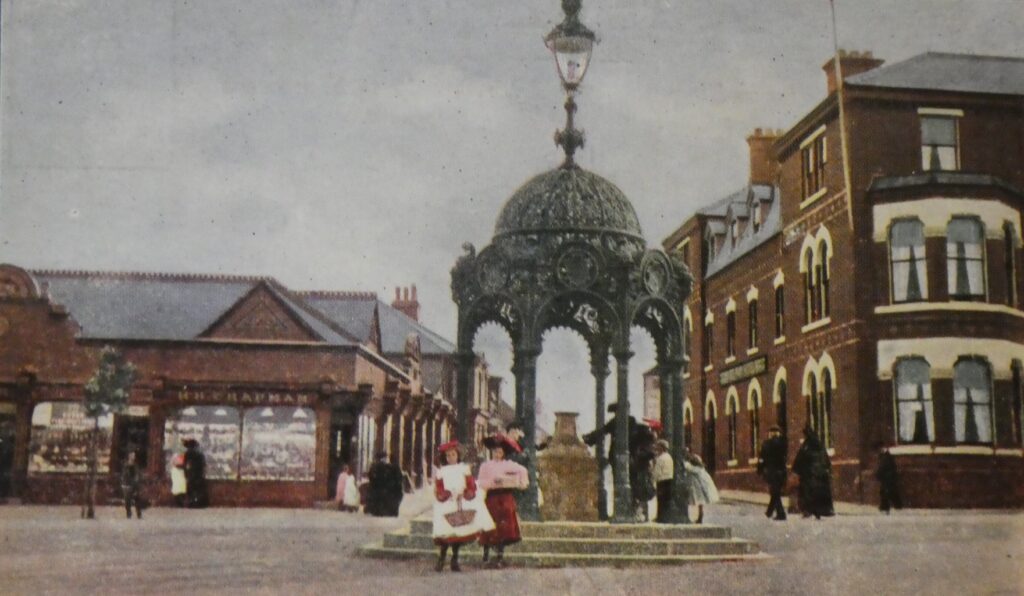
Nearly 250 years ago, the Dolphin Hotel, or the “Cleethorpes Hotel” as it was known at the time came into being. The Dolphin Hotel sits on the corner of Market Place and Alexandra Road in the seaside resort of Cleethorpes, and over the years has played a major role in the history and development of the town. The building has been a hotel, restaurant, oyster bar, café and in more recent years, various nightclubs, and now (2025) the current owners are undertaking a major project to restore the building, part funded by National Lottery Heritage Fund money. Work starts on site on the refurbishment of the Dolphin in Cleethorpes | NELC
- National Lottery Heritage Fund
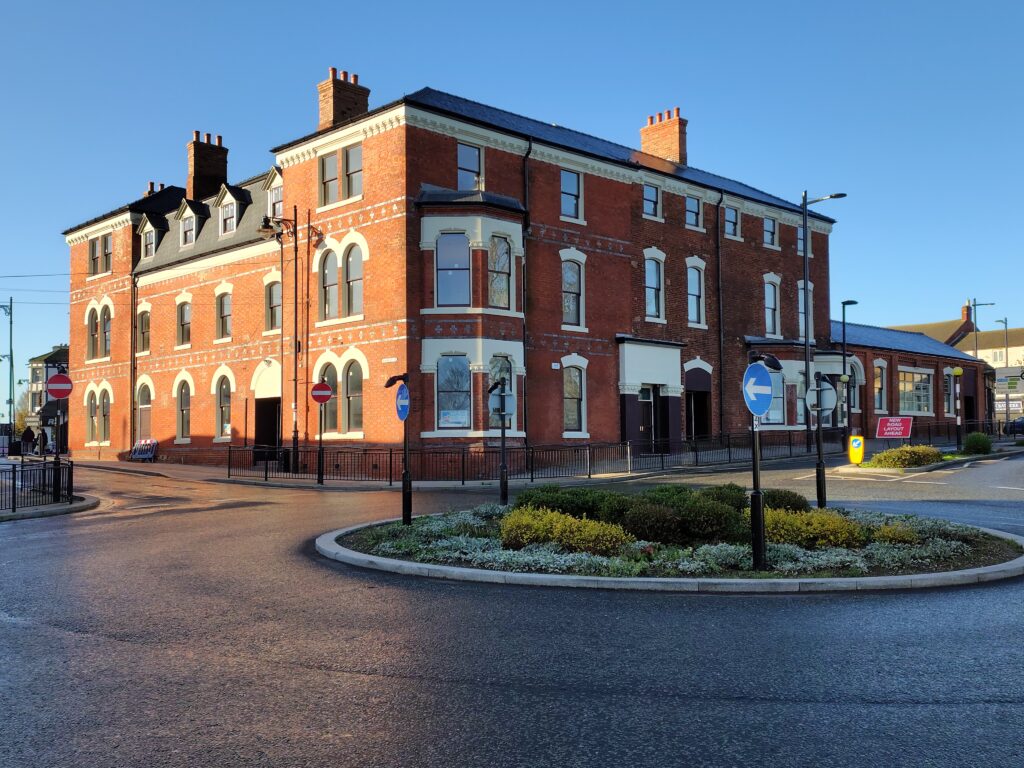 Restored frontage on Alexandra Road
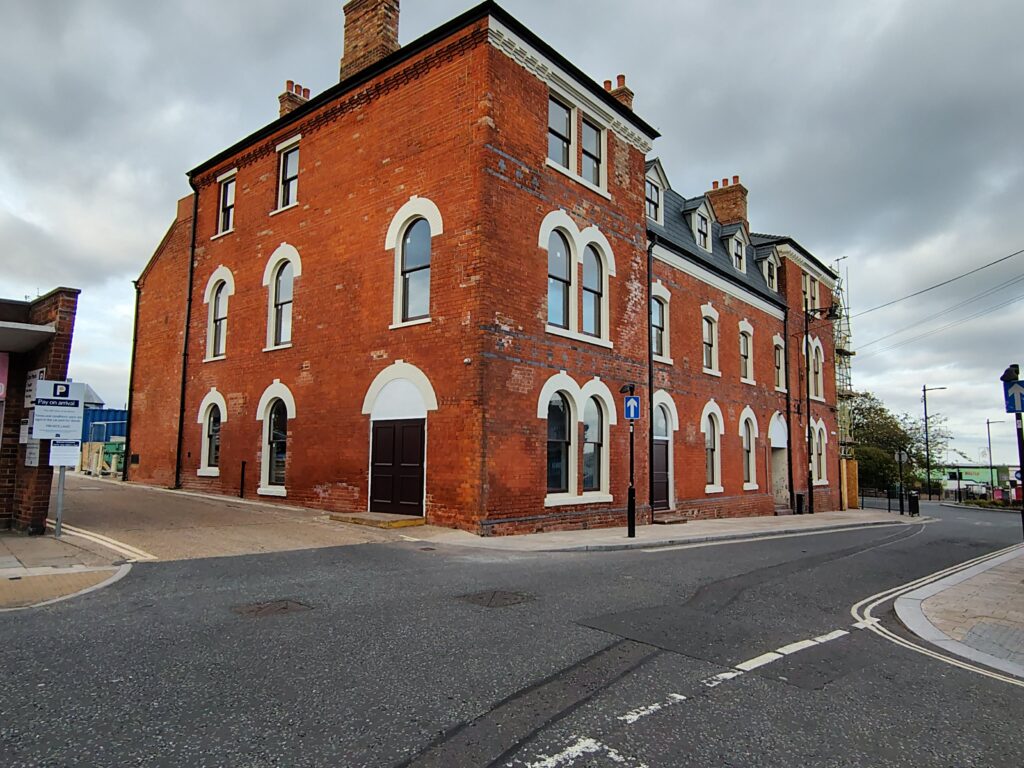 Restored building from Market Place
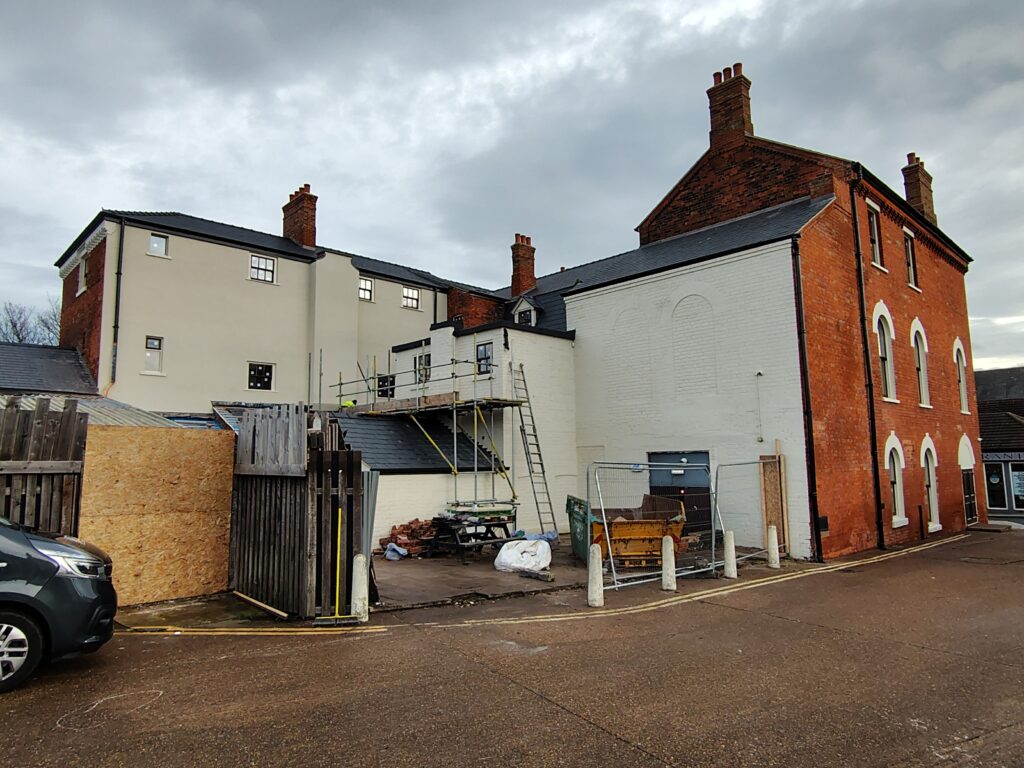 Rear of the Dolphin
- Dolphin Hotel 1909, credit NEL Archive Service
- Dolphin Hotel c1910. Credit NEL archive service
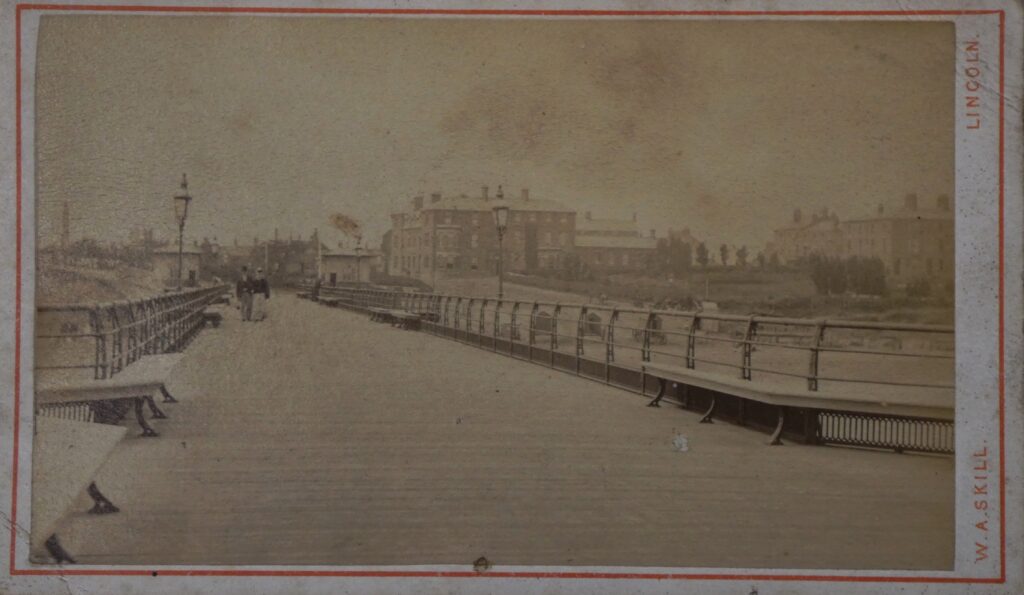 Dolphin from the Pier in the 1870s
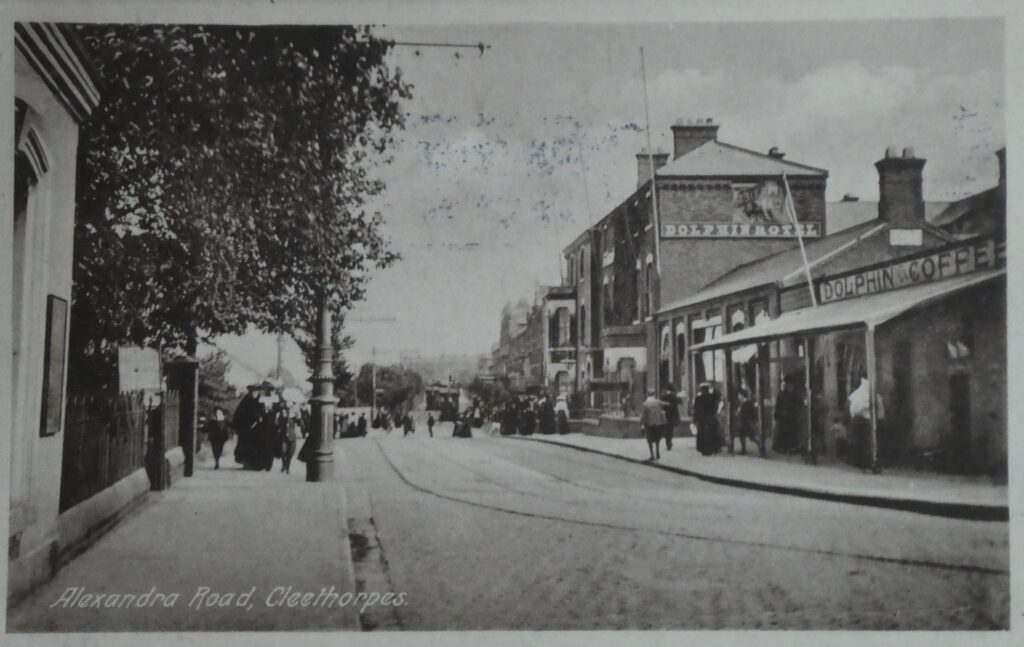 Dolphin Hotel 1910
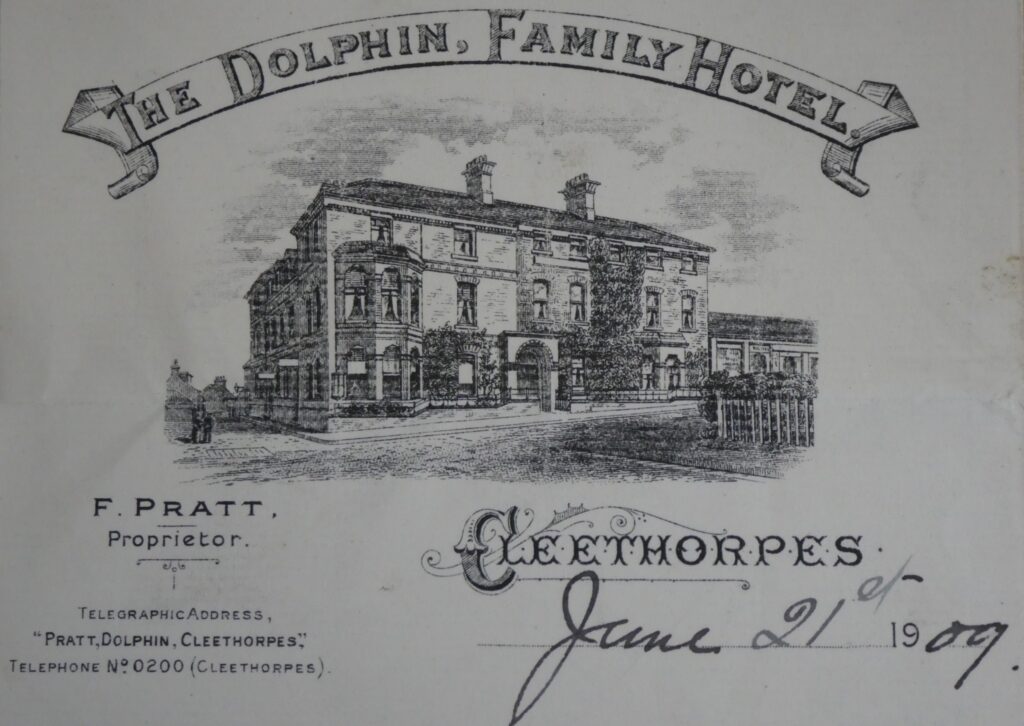 Dolphin postcard 1909
- Dolphin Hotel and Fountain.
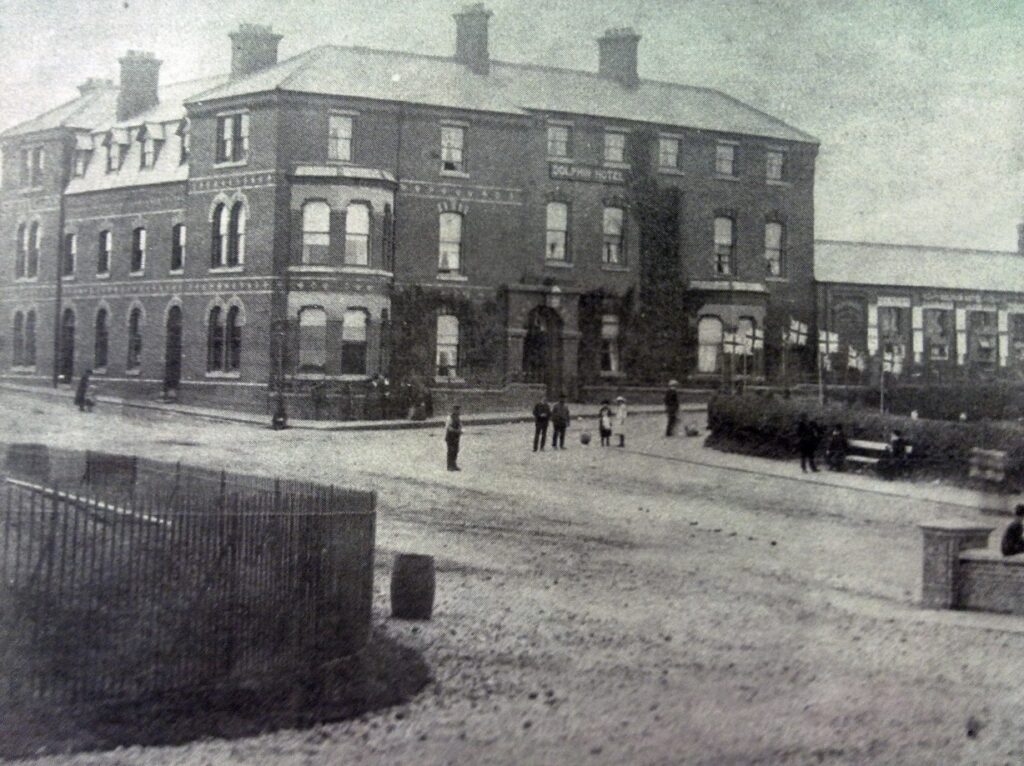 Dolphin Hotel
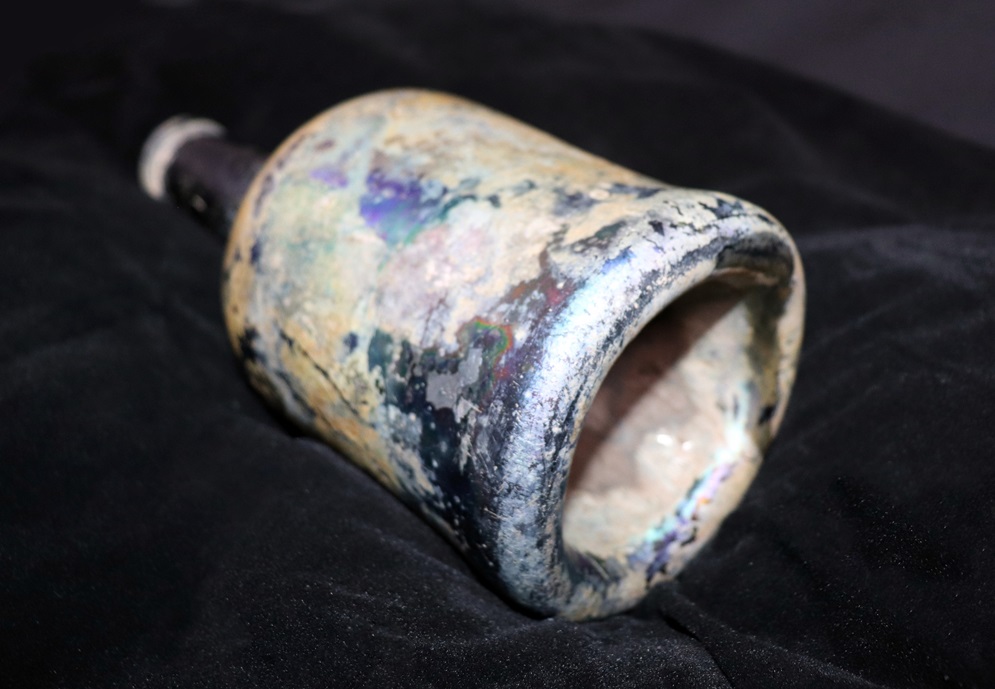
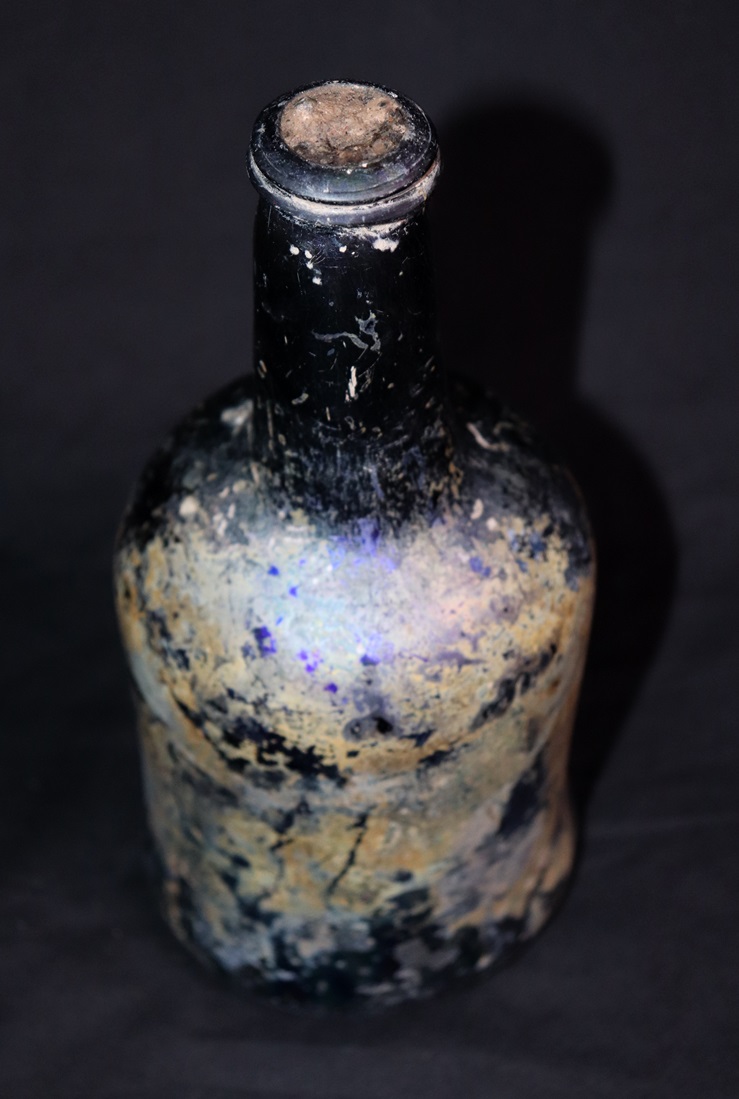
Sea View Street Bottle
Sea View Street, known as Town Street in the district of Itterby, many sailors would have been coming and going, preparing for their voyages at sea.
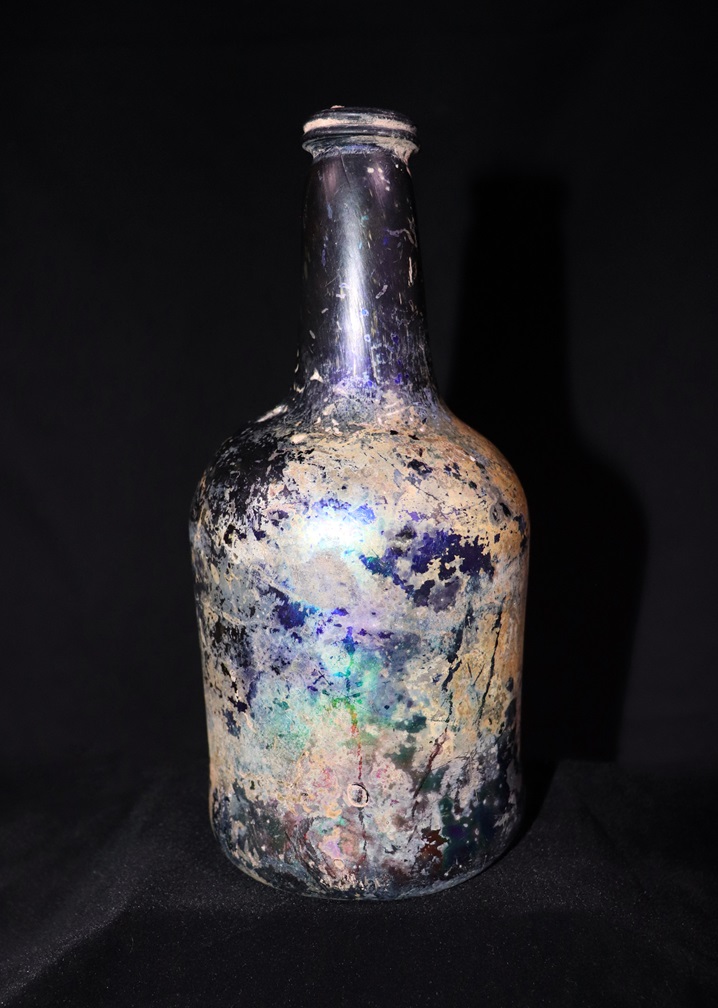
At this time, a common occurrence was to bury a bottle of urine as a superstition for a safe journey home. However, they seldom survive, let alone over 200 years!
Earlier this year, heritage works were carried out at 35-37 Sea View Street as part of the National Lottery Heritage funded Townscape Heritage (TH) project for Cleethorpes. During development, excavations were being carried out at the rear of the building in preparation for building foundations of a new extension. Workers had to manually excavate an area, as it was too tight for a small digger to work in.
It was during these works that a rather unique find was made – a sealed bottle full of liquid. Since then, it’s been on quite the journey with Lincoln University doing analysis on the the contents. Read the full story: A message, an expensive alcohol or something else: The story of what was in the Seaview Street bottle | NELC
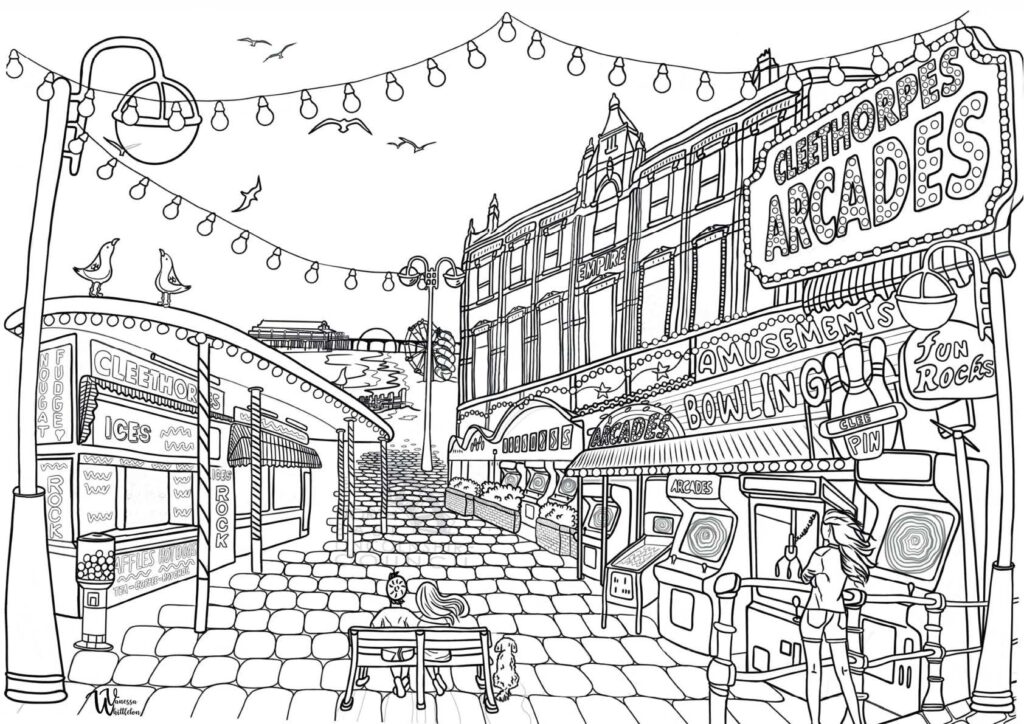
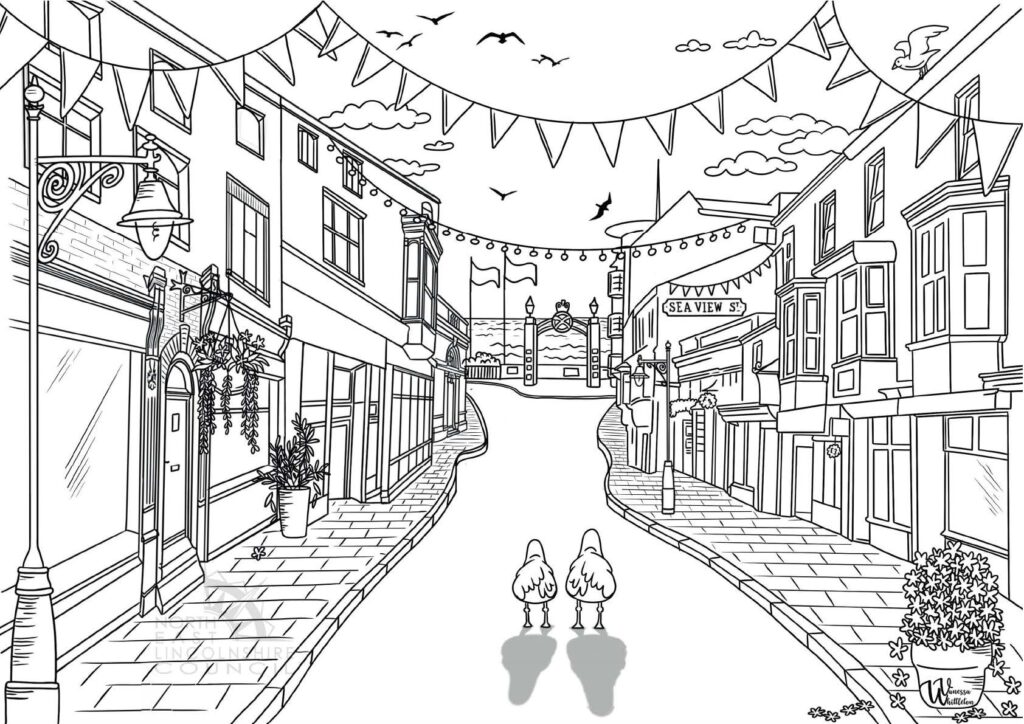
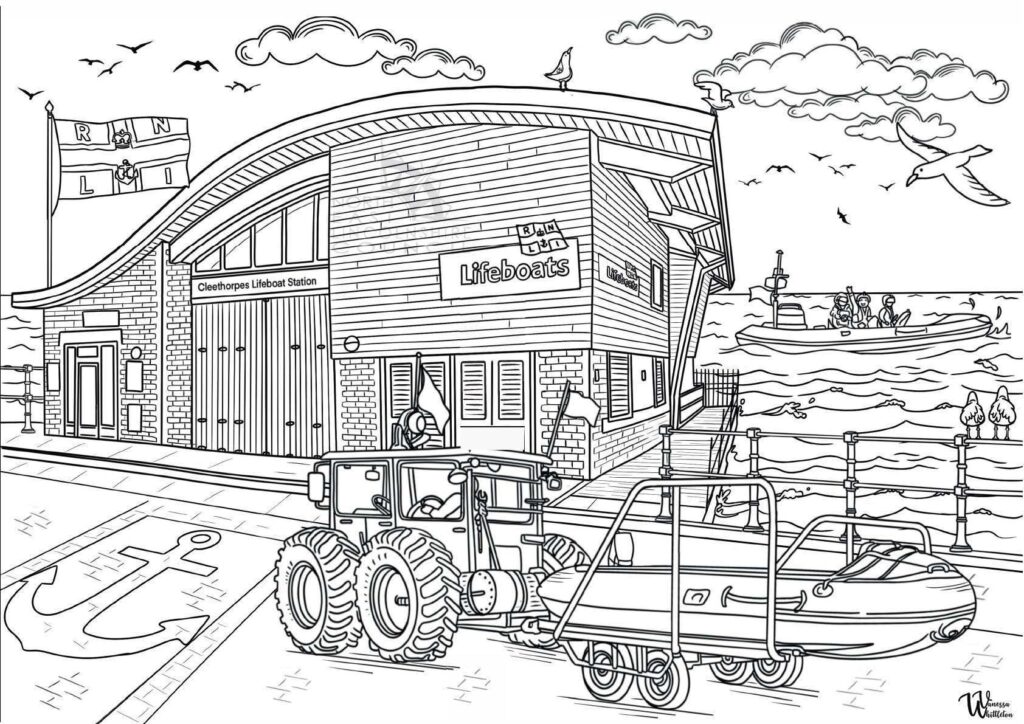
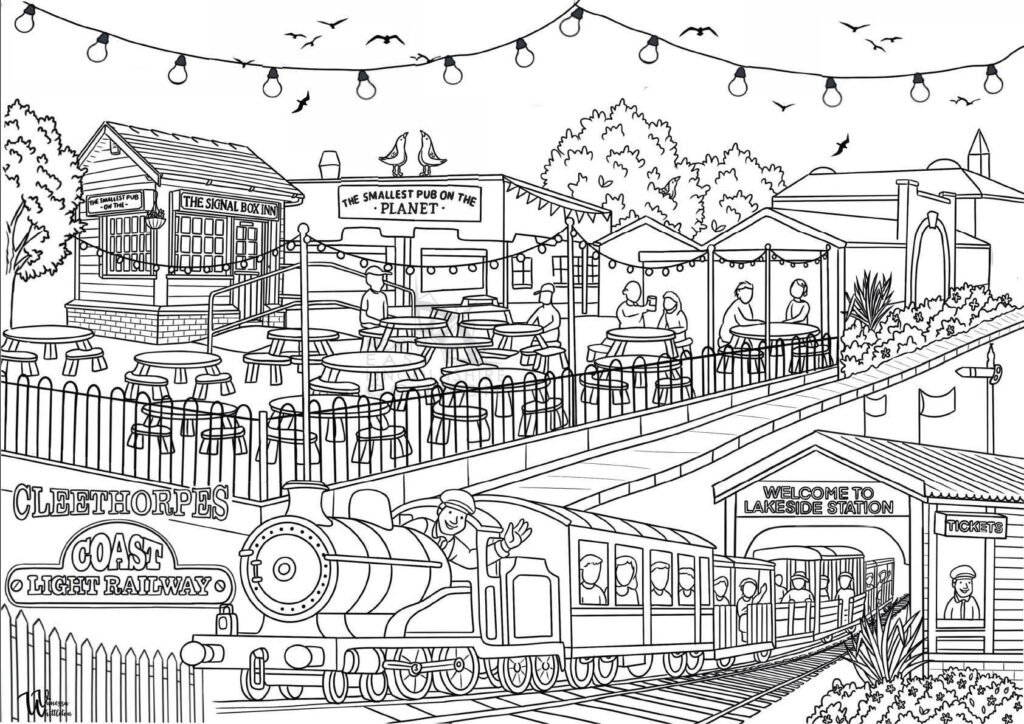
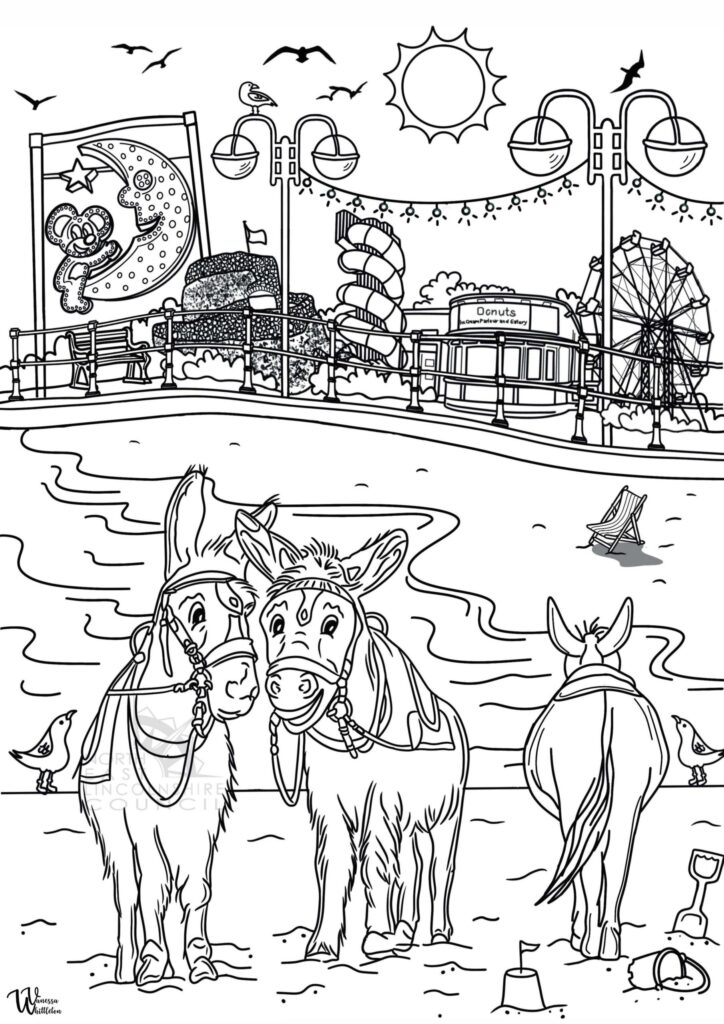
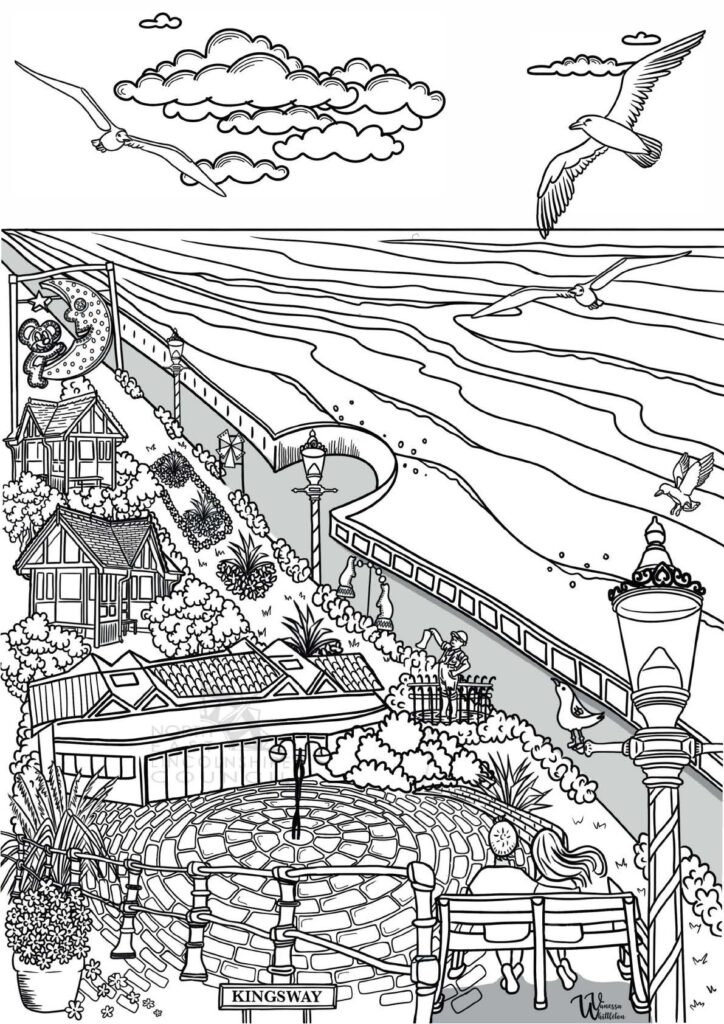
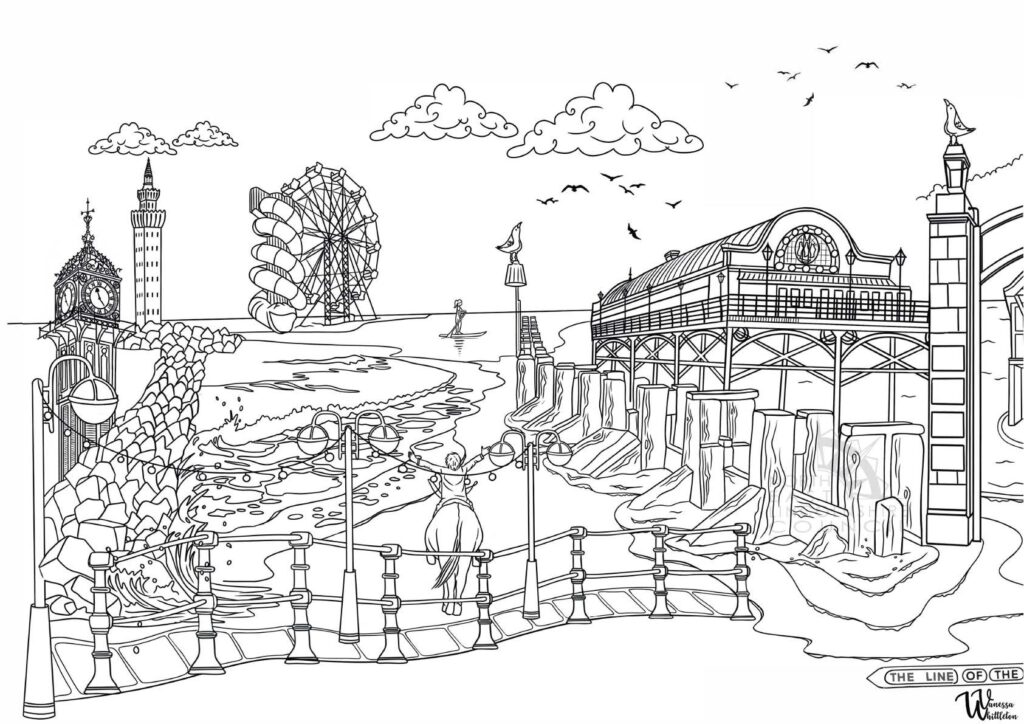
Colourful Cleethorpes – Activity Resources
As part of the Townscape Heritage Project, artist, Vanessa Whittleton, was commissioned to produce some drawings for a colouring book.
If you would like to download these images, please read the image use policy below and then tick the “Accept Image Use Policy” box.
IMAGE USE: These artworks are shared for personal enjoyment and inspiration only. Please do not modify, reproduce, or use them commercially in any way. They are not to be used for profit or redistributed elsewhere. Thank you for respecting the artist’s work.
Right click on the image to save or alternatively, download the PDF document below.