Feeding your baby


Infant feeding logo

Feeding your baby can sometimes feel overwhelming at first, but support is available. This page offers advice and information about feeding your baby and how to access support.
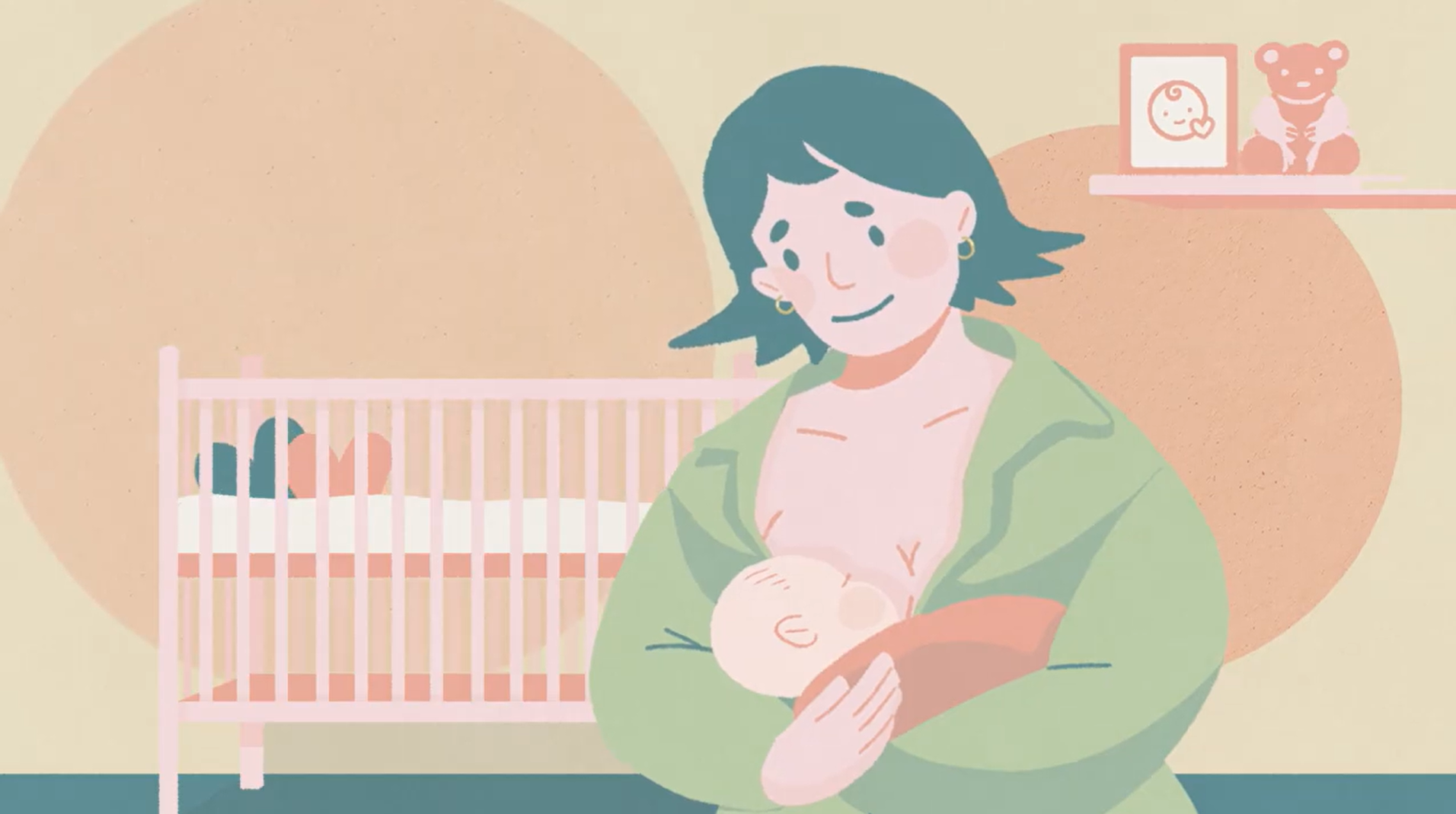

Breastfeeding can give your baby a great start in life and is all your baby needs, for at least the first 6 months. How you feed your baby is a personal choice, and we are here to support you, whatever you decide.


About breastfeeding

Icon of a person breastfeeding

The milk a baby receives when breastfeeding is more than just a food – it contains properties that help protect them from infections and diseases, it is uniquely made to meet the needs of each individual baby and changes in response to their specific needs. It is easily digested and promotes optimal growth, health and development. Find more detailed information about the benefits of breastfeeding on the NHS website.


For babies

  • Support healthy growth and development
  • Protect against common infections
  • Support early bonding and emotional security

For mothers

  • Support bonding and attachment
  • Be convenient, environmentally friendly and free
  • Contribute to long‑term health benefits


Advice for when you are breastfeeding

Icon of a heart in a speech bubble

One of the most important things to remember about breastfeeding is that the majority of women can do it. It is important that the baby is positioned and attached effectively so that they are able to feed properly and can get all the milk that they need. Your midwife, health visitor and infant feeding team peer supporters are there to help please see our FAQ’s.


Frequently Asked Questions

You do not need to decide how to feed your baby until your baby is born. But it is important to find out as much as you can about feeding while you are pregnant.

You can discuss feeding you baby with your midwife or health visitor at any time before you your baby is born, they will provide you with evidence based information to help you get breastfeeding off to a good start and discuss any concerns you have. This will help you feel more confident when you start breastfeeding your baby.

Our infant feeding team (peer supporters) also provide additional information before your baby is born, you can come along to one of our antenatal breastfeeding workshops or request a 1-1 appointment to help you understand more about breastfeeding. These can be booked directly with the infant feeding team.

Contact the team

You can also access antenatal classes which include a session about feeding your baby, for more information, please see Ready, Steady , Baby!!!!.

Throughout your pregnancy your body prepares to produce breast milk for your baby through hormonal changes. Once your baby is born your breast will start to produce milk due to a surge in the hormone prolactin Early milk is called colostrum and is called liquid gold as only 1ml contains over a million protective immune factors for your baby.

Some pregnant mothers leak some colostrum in pregnancy but don’t worry if you don’t you can still breastfeed your baby Early frequent feeding is important for establishing your milk supply. After 48-72 hours your milk increases in volume. Ongoing frequent effective feeding is essential to keep prolactin levels high to ensure your breasts continue to produce enough breastmilk for your baby. Prolactin levels are naturally higher at night so night time feeds are very important for milk production.

When your baby feeds or you hold your baby close in skin to skin your oxytocin ( love hormone ) levels rise which helps reduce stress for you and baby. This aids your emotional connection with baby. Ongoing responsive and frequent feeding will ensure your baby has enough milk and supports optimal growth and brain development.

For more information, please read How Lactation Works.

You will be encouraged to hold your baby in skin to skin following the birth for at least until after the first feed (however you choose to feed your baby) if this is possible. This will help calm and relax baby.  

Ongoing skin to skin at home especially in the early weeks helps baby form a strong attachment to you and can also help with breastfeeding. Read more at skin-to-skin contact.

You can use a variety of positions to breastfeed; just remember to make yourself comfortable:

  • Make sure baby’s head and body are in a straight line
  • Hold baby close, support their neck and shoulders and make sure baby can move his/her head freely so that they can swallow without any difficulty
  • Baby’s nose should be in line with mother’s nipple
  • Baby needs to take a mouthful of breast from underneath the nipple so that they are able to attach well
  • If you can see the dark skin around the nipple (areola), there should be more above baby’s top lip than below
  • Baby’s cheeks will be rounded whilst feeding
  • Baby will establish a rhythmic feeding pattern, and may pause every now and again, this is normal
  • Baby will finish the feed and remove themselves from the breast when finished
  • Baby can be offered the second breast and will feed if they are still hungry

If you are experiencing difficulties with breastfeeding please contact your Midwife, Health Visitor and/or GP. Your local family hub will also be able to signpost you for support.

Visit Breastfeeding positions or Latching on for more.

Some common first signs your baby needs to breastfeed are:

  • Opening their mouth or smacking their lips
  • Stirring and moving in their crib
  • Rooting by turning their heads

If these early cues are missed you baby may:

  • Stretch and yawn
  • Start moving more in their crib
  • Suck on their fist or fingers

It is important to feed your baby as soon as possible as it can be more difficult to encourage your baby to feed and you may need to calm your baby first (skin to skin can help) if they are showing late feeding cues such as :

  • Crying, becoming agitated and changing colour such as turning red.

For more information, please read Feeding Cues.

When you’re pregnant, you’ll get most of the vitamins and minerals you need by eating a healthy, varied diet – but you also need to take folic acid and vitamin D supplements.

Find out why, how much to take and where to get them, as well as what vitamins to avoid.  At Vitamins and supplements in pregnancy.

Even though most people can get all the vitamins they need by eating a healthy, balanced diet, there are certain times in your life when you may not be able to get everything you need from food alone – like when you are planning a pregnancy, when you are pregnant, when you are a new mum or if you are a small child.

Vitamins for babies and children

UK Health Departments recommend that all babies from birth onwards should be given a supplement that contains vitamins A, C and D, such as Healthy Start vitamin drops, unless they are drinking 500ml (a pint) of infant formula a day (infant formula has vitamins added to it). You can continue to give young children a supplement containing vitamins A, C and D until they are five years old, as this will help to make sure that they are getting enough of these vitamins. This is especially important when they are learning to eat a variety of foods and if they are fussy eaters.

It is also recommended that all infants and young children aged 6 months to 5 years should be given a Vitamin D supplement (drops). Babies who are being breastfed should be given a daily vitamin D supplement from birth, whether or not you’re taking a supplement containing vitamin D yourself.

Where to buy Healthy Start vitamins

Healthy Start vitamins are therefore suitable for pregnant women, breast feeding women and children up to 5 years. They can be purchased at all family hubs across North East Lincolnshire.

Healthy Start is a government scheme where families can get free vouchers towards milk, plain, fresh and frozen vegetables and can also get free vitamins. You could qualify if you receive benefits, or are pregnant and under 18 years old. To find out more or to find out if you are eligible please speak to your Midwife or Health Visitor, or visit Healthy Start.

More information about the types of vitamins and why they are important can be found on Healthy Start.

Yes, you can continue to breastfeed when you return to work or study if you do  it can be helpful to speak to your health visitor or peer supporter for advice about expressing and storing your breastmilk and  a planning your return to work with your employer see Breastfeeding and returning to work.

Responsive breastfeeding involves recognising and responding to your baby’s feeding cues, as well as your own desire to feed your baby. It is important to remember that feeds are not just for nutrition, they also provide your baby with protection, love, comfort, and reassurance.

Responsive breastfeeding also involves feeding your baby to meet your own needs. For example, you may wish to offer your baby a feed before you have a shower, tend to the needs of other children, or complete a household task. Alternatively, you may want to sit down, rest, have a cuddle and feed your baby. The timing and length of a feed will vary, depending on the reason for the feed.

  • Babies cannot be spoilt. Giving your baby lots of cuddles and keeping them close helps their brain grow and helps you build a strong bond.
  • Babies like to be near their parents. Skin‑to‑skin time, holding your baby and responding when they need you helps them feel safe and secure. When babies feel safe, their bodies release a hormone called oxytocin, which helps their brain develop.
  • Keeping your baby close also helps your own oxytocin levels rise. This can help you feel calmer, more relaxed and more connected while breastfeeding.
  • Smiling, talking and making eye contact with your baby, even when you are feeding them, supports their development. These small moments help them grow into happy and confident children.
  • However you choose to feed your baby, keep them close, look for the signs that they need you, and respond to them. This helps your baby feel safe and strengthens your relationship.

When you first start breastfeeding, you may wonder if you are producing enough milk for your baby. This is normal and it can take a while to feel confident that your baby is getting what they need. A baby’s stomach is very small when they are born and so your baby will need to feed little and often.

All parents and babies are different, and you and your baby will work out your own feeding pattern together. Both the length of time between feeds and the length of an individual feed can vary. However, breastfed babies normally feed 8 to 12 times in 24 hours, with each feed lasting between 5 and 40 minutes.

When your baby comes off the breast, offer your other breast. If your baby has had enough milk and is content, they may not want to feed from the other breast during this feed. This is normal. If this is the case, remember to start with this breast at the next feed.

It is important to feed your baby during the night as this is when levels of your milk-making hormone prolactin are higher which supports your milk supply.

If your baby ‘cluster feeds’ (feeds very frequently), at certain times of the day and goes longer between feeds at other times this is normal.

It is important to note that you cannot overfeed a breastfed baby or spoil your baby with cuddles, so do not worry about feeding your baby whenever you want to or whenever your baby is hungry or in need of comfort. If you are worried, speak to a midwife, health visitor or peer supporter. You may need some help with positioning and attachment.

If you are experiencing difficulties with breastfeeding please contact your Midwife, Health Visitor, Peer supporter and/or GP. Your local family hub will also be able to signpost you for support.

  • Your baby is alert, has good muscle tone and is a normal skin colour.
  • Your baby has at least 8 to 12 feeds in 24 hours.
  • Your baby’s suck and swallow pattern is rhythmic, with deep sucks and audible swallows.
  • During most feeds, your baby feeds for between 5 and 40 minutes.
  • Your baby spontaneously comes off your breast at the end of a feed (or does so when you lift your breast).
  • Your baby is calm and relaxed during a feed and content after most feeds.
  • Your breasts and nipples are comfortable during and after a feed.
  • The shape of your nipple remains the same rounded shape at the end of a feed as it was at the start.
  • Your baby has the expected number of wet and dirty nappies according to their age.
  • There are no concerns about your baby’s weight gain and/or growth.
  • Your baby is not using a dummy or a teat. You are not using formula milk.

For more information, please see UNICEF UK mothers breastfeeding checklist.

If you are experiencing difficulties with breastfeeding please contact your Midwife, Health Visitor, Peer supporter and/or GP. Your local family hub will also be able to signpost you for support.

If you choose to bottle feed your baby expressed breast milk or infant formula, it is important that you talk to your midwife, health visitor or peer supporter.
They can provide you with the information you need to ensure this is done safely. They will also discuss with you how to bottle feed your baby responsively.
You can find more information on the links below.
Infant milks for parents & carers
Bottle feeding advice
Expressing and storing breast milk
Expressing breast milk by hand

For information in different languages, please see Foreign language resources.


Where to get support

Drop-in groups

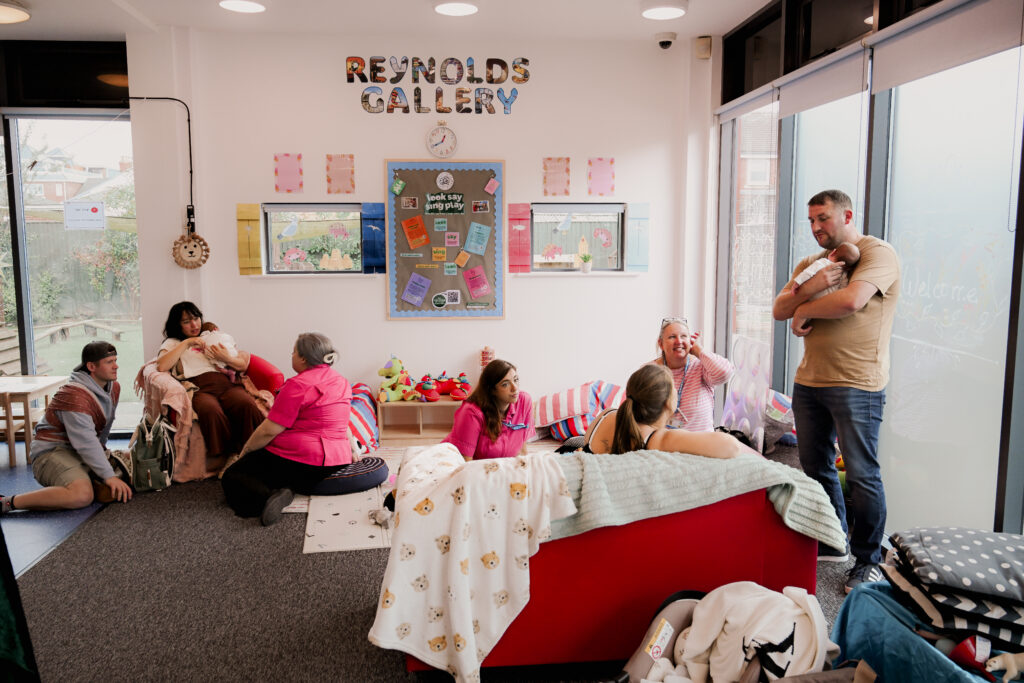
Join us for our regular infant feeding groups. You can weigh baby on our scales, have a chat with other mums and get advice from the feeding team.
  • Baby Rhyme Time with Infant Feeding Support
  • 203 Victor Street, Grimsby, DN32 7QB
  • Monday 9:30am – 10:30pm
  • Health Visitor Drop-In with Infant Feeding Support
  • Sorrel Rd, Grimsby, DN34 4GB
  • Tuesday 10am – 12pm
  • Infant Feeding support at Babyzone
  • Cartergate House, 26 Chantry Ln, Grimsby, DN31 2LJ
  • Friday 12:30pm- 2:30pm
  • Infant Feeding Support
  • Margaret St, Immingham, DN40 1LD
  • Tuesday 11:30am – 12:30pm
  • Infant Feeding Support
  • Sutcliffe Ave, Nunsthorpe, Grimsby, DN33 1AN
  • Friday 10.15am – 11.15am
  • Infant Feeding Support
  • Binbrook Way, Grimsby, DN37 9AS
  • Tuesday 1pm – 2pm
  • Infant Feeding Support
  • 203 Victor Street, Grimsby, DN32 7QB
  • 11:30am – 12:30pm
  • Health Visitor Drop-In with Infant Feeding Support
  • Grant Thorold Park, Durban Rd, Grimsby, DN32 8BX
  • Thursday 1pm – 2.30pm
  • Infant Feeding Support
  • Church Ln, Humberston, Grimsby, DN36 4HZ
  • Thursday 12pm – 2pm
  • Baby Rhyme Time with Infant Feeding Support
  • Macaulay Street, Grimsby, DN31 2DS
  • Wednesday 10am – 11am
Group of people at Family Hub

Peer supporters

Infant feeding peer supporters are mothers who have experience of breastfeeding their own children. They are employed locally to provide extra feeding support and information to expectant and new parents. They work with health visitors, midwives and family hubs staff to provide infant feeding support:

  • Over the phone
  • At clinics
  • At drop-in groups
  • In your home
  • On the maternity wards

Contact the team

We also have opportunities for volunteer peer support roles in our Family Hub groups.  If you would like to volunteer as a breastfeeding peer supporter please contact [email protected] or ask in any hub.

For support and advice out of hours National Breastfeeding helpline is available 24/7, 365 days a year and has lots of useful information and expert advice to share with you.


Private Facebook group

You can join our private Facebook group for information and updates from our Infant Feeding Team:


Breastfeeding telephone helplines

Links to online support available can be found at Breastfeeding help and support.


Contact details