Ready for school
Get prepared for the school year!
Have you organised:
School uniforms
Kitting your child out for the new school year can be expensive, but it doesn’t need to break the bank. Here are some ways to reduce the burden, save some money, and give the environment a helping hand.
Make sure to check the uniform policy and dress code at your school.
Spread the cost of the back to school shop with a School Uniform loan which can be repaid over a year from HEY Credit Union.
Uniform events, and local Facebook groups are a great way to donate, sell or swap, or pick up a pre-loved uniform in good condition.
Keep an eye on uniform sales at your local supermarket! Check your school’s uniform policy allows unbranded school clothing, your local supermarket might be the most affordable option.
Don’t throw away uniforms in good condition, consider reusing, recycling, or donating. You can contribute to a school uniform swap or sale event, offer them in a school uniform Facebook group, or ask your school if they accept used uniforms.
School meals
What your child eats can affect their behaviour and their ability to learn.
Breakfast
Whether it’s at home or on the go, having breakfast is a great way to start your child’s day.
Try a quick and healthy breakfast recipe. Or, for those rushed morning, stock up on some grab-and-go options.
Some schools offer a breakfast club for children to attend before their first lesson. Find out if your school has a breakfast club.

Lunch
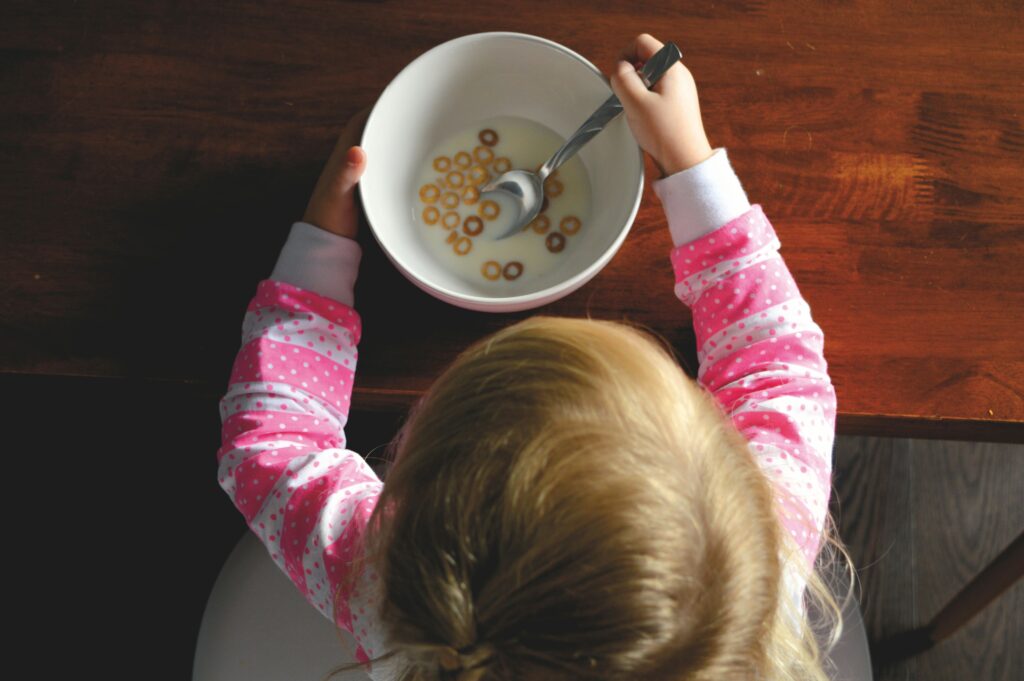
Packed lunch or school dinners. Children sitting down together and enjoying their meal can help develop their social skills.
Free School Meals
Every child receives the universal infant free school meals (UIFSM).
From junior school (year 3) you must check if you are entitled to free school meals.
If you are not entitled to free school meals, you can pay for your child to have a hot dinner at school, or you can send them with a packed lunch.
Have a look at some healthy packed lunch ideas which are quick and easy to prepare.
Getting to school
Practise your journey to school until your child is familiar with the route. Talk about the dangers like roads and talking to strangers.
NSPCC has advice for parents who are considering allowing their child to make their own way to and from school – Coming home alone.
Walking to school is all part of your child’s recommended activity for the week. It’s a fantastic way to build heathy habits into your family’s daily routine. It encourages children to get active, arrive at school more alert and ready to learn.
For parent’s, it’s a great opportunity to spend some quality time together and talk about the day ahead.
Time and practise your journey to school until your child is familiar with the route. Talk about the dangers like roads and talking to strangers.
Cycling or scooting to school is a fun and active way for children to get moving and build healthy habits. It helps them stay fit, boosts their energy levels, and supports better focus and learning once they arrive at school. To build confidence, practise the route together until your child feels comfortable and knows the way. It’s also a great chance to talk about staying safe—like how to cross roads carefully and the importance of being aware of their surroundings, including not speaking to strangers.
Lincs Inspire
Lincs Inspire Sports Development coaches offer one to one sessions to for children aged 5 and over to build their confidence and improve their cycling skills to ride independently.
Lincs Inspire one-to-one coaching
Cycle Hub Lincs
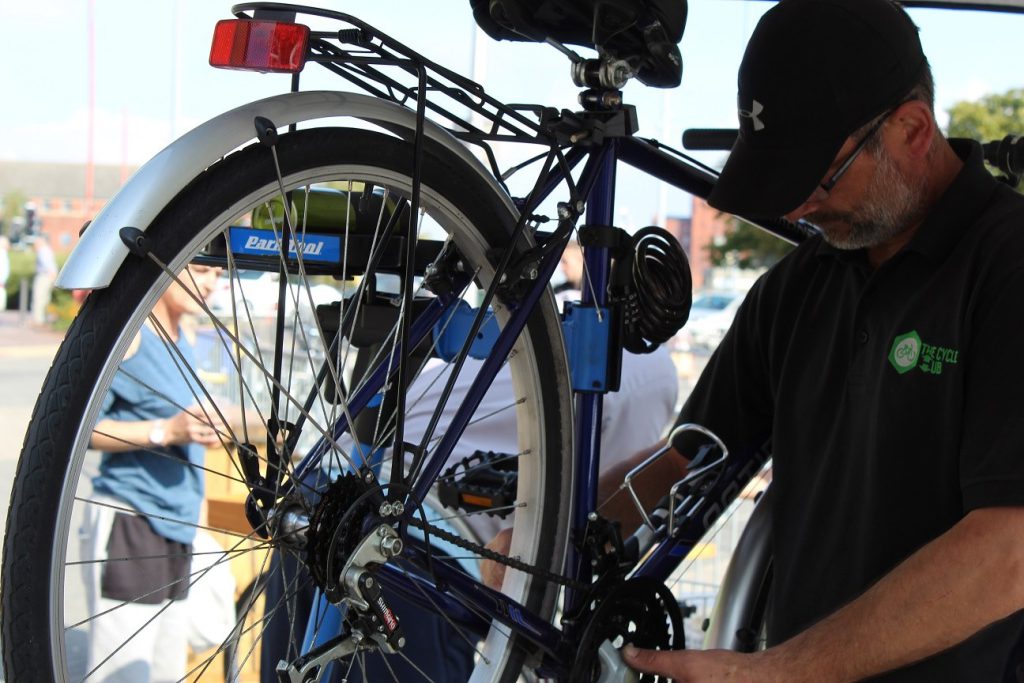
Cycle Hub Lincs is available for all your cycling maintenance needs! Book your bike in for a service, repair or safety check.
Pop up events
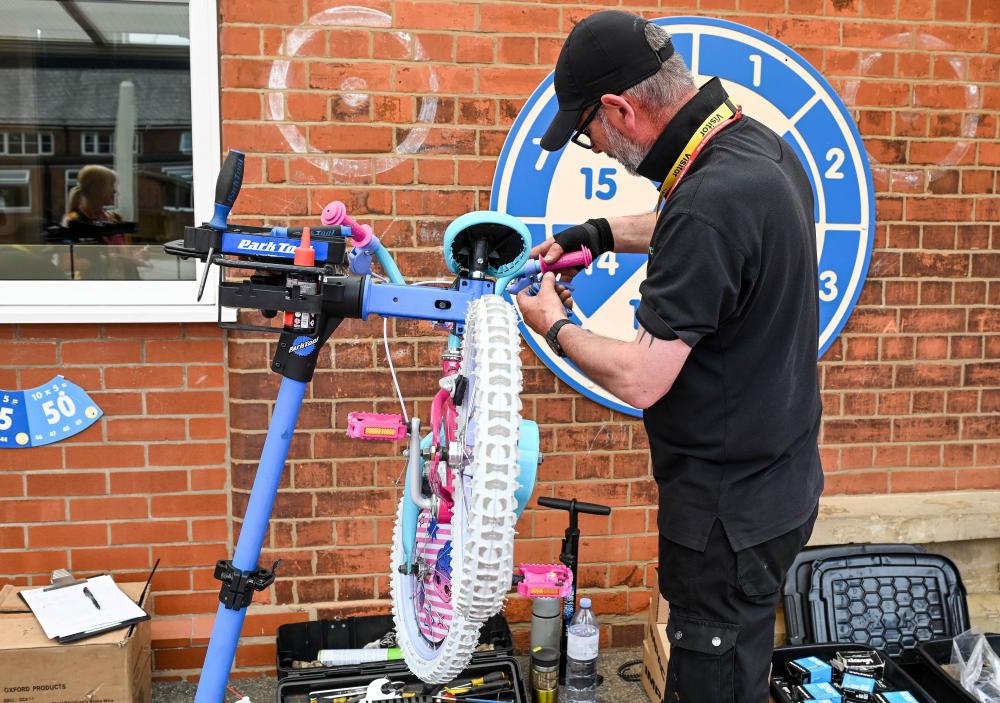
The Doctor Bike team are often invited to attend local events in their pop-up workshop. The team offer bike safety checks and can do minor repairs at no cost whilst you wait. For major issues that cannot be fixed on the spot, technicians can provide an estimated cost for repairs at the Cycle Hub headquarters.
Keep up to date with upcoming events and sale offers on the Cycle Hub Lincs Facebook.
Bus
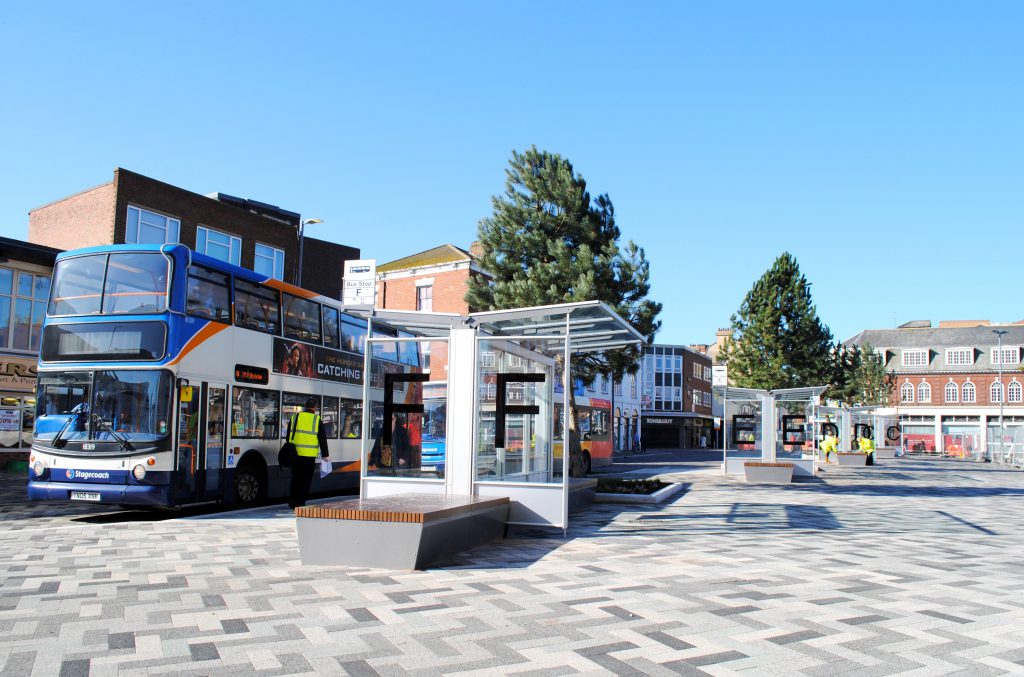
Taking the bus to school is a good alternative when walking or cycling isn’t an option. It can encourage punctuality and a sense of responsibility for children and young people.
Stagecoach offer a 7 day MegaRider to young people for £14 which allows unlimited travel around Grimsby, Cleethorpes, Immingham, Healing, Brocklesby, Holten Le Clay, Irby and Ulceby,.
School bus
Your child might be eligible for free home to school transport if:
- the nearest school is further away than the statutory walking distance
- required to walk on an unsafe route to school
- entitled to free school meals
- unable to walk to school because of their educational needs, disability or mobility needs
See the school transport page for more information and to apply.
School drop-off times can be busy, so extra care and attention is essential.
Stick to speed limits – especially the 20mph zones – and stay alert for children crossing.
Always park safely in designated areas, or use drop-off zones. Remind your child about road safety, including the Green Cross Code.

Managing emotions
For parents and children
It’s important to seek support if you feel like your emotions are getting too much.
For children, it’s easy to become anxious or worried about school. There’s lots of support available for children and young people.

Support for young people who are struggling with anxiety, exam stress, and more.
Provide low intensity one-to-one interventions to children and young people aged 5-19 with mild-to-moderate emotional health and mental health wellbeing needs.

Lots of advice for parents and carers for every stage of your child’s life.
Support for those difficult and sometimes lonely days.

Offer free mental health support for people in North East Lincolnshire.
Making friends
Using ‘your turn & my turn’ to encourage your child to wait patiently for their go.
Role play and imaginary games are good opportunities to encourage play. Teach your child useful phrases like ‘please can I play?’. Planning to build or create something
Getting dressed
Make getting dressed fun! Play a game laying out some clothes and race to see how quickly you can put them on or have fun dressing a teddy or dolly.
Coats
Practice using zips, velcro and buttons. Have a go at the Preschool Coat Flip
Shoes & socks
These can be tricky! Put shoes and socks on and talk about what you are doing and how you are doing it. Try the Tips for Teaching Kids to Put on Socks.
Toileting
Being independent
Encourage independence slowly.

It’s okay to need help!
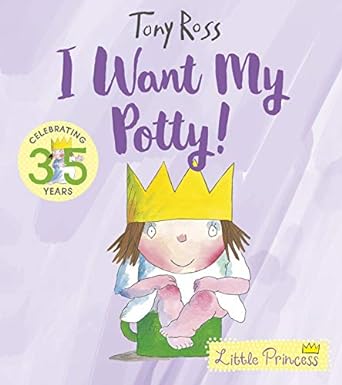
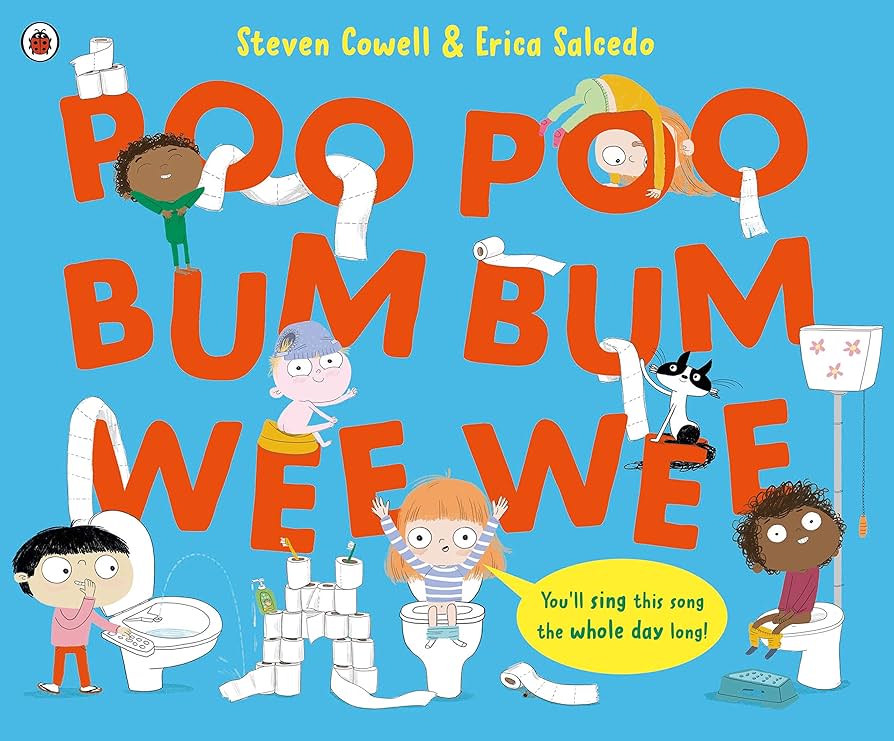
Don’t worry if your child hasn’t finished toilet training yet. Talk to school so they can keep things consistent. If you need more some more help or advice, speak to your health visitor or the school nurse.
Washing hands
Hygiene is important, especially in a school where little fingers get everywhere!
Teach your child about germs and how we can’t see them, but we need to wash them off so we don’t become poorly.
The germs experiment with pepper, water and soap shows children what happens to germs when you wash your hands with soap.
The World Health Organisation (WHO) has a helpful video with Peppa Pig on how you should wash your hands.
Lunch time
School dinner
Most schools use trays with compartments and children can sometimes be expected to pick up their own knife and fork.
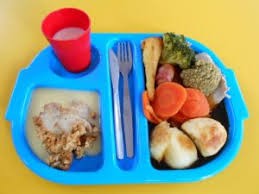
Can you:
It’s good to practice these skills at home.
You might worry your child won’t enjoy the food offered to them for school dinners. However, children often like to follow their friends’ lead and may be more willing to try new things when they see others doing the same. It’s definitely worth encouraging them to give it a go!
Packed lunch
Let your child help choose what they can take to school for their lunch.
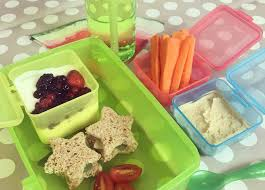
Enjoy making packed lunches together as children like to try what they have made. Try getting in to the routine of eating when they will be at school (for example 12pm).
Remember, whatever you put your child’s food in, they need to be able to open it (tupperware, wrappers and packets). School staff will be there to help but it is good to encourage independence.
It’s good to practice opening yogurts an peeling bananas at home.
Communication
Communication and language is one of the key areas within the Early Years Foundation Stage (EYFS). It is divided into listening, attention and understanding, and speaking.
Developing relationships through communication and sharing experiences supports personal, social, and emotional development, as well as early literacy skills. Being able to connect socially and use language to explain ideas and share thinking with others is central to learning in all areas.