Best Start in Life


Welcome to Best Start in Life – Support for you and your baby!
The first 1,001 days of a child’s life is from conception to their second birthday. This time is important for the future of your child’s physical and emotional development.
Best Start in Life is working to make it easier for families to get the help they need. We’re joining up services at local Best Start family hubs so parents and carers can find support in one place.
Our goal is simple: every family should have access to the services they need.
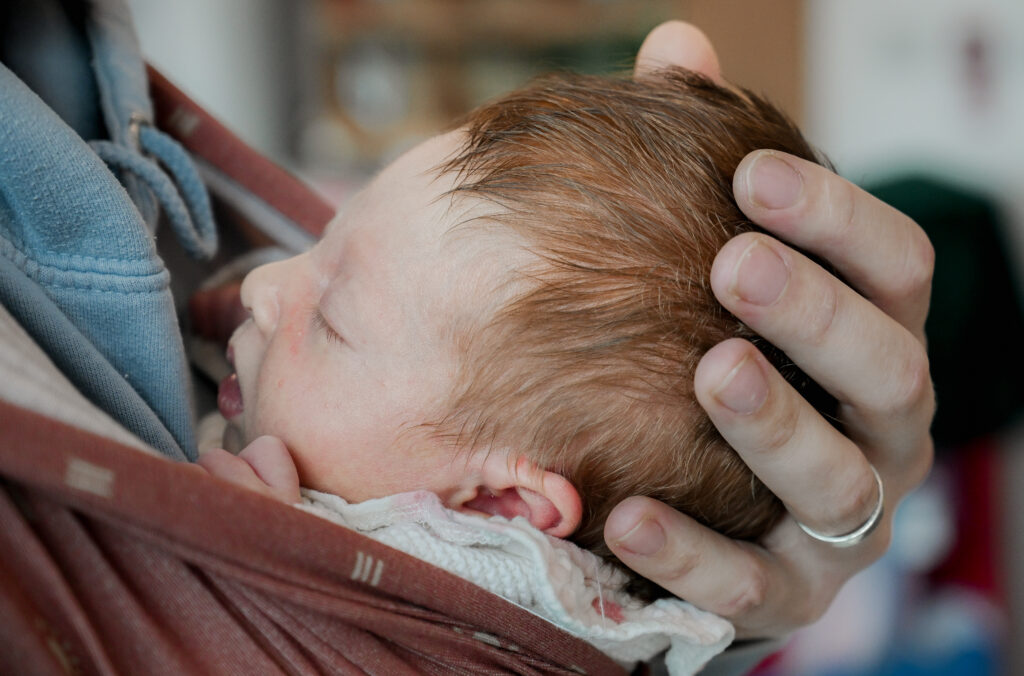
What you can expect:
- Help parents and carers look after their babies and young children
- Make support fair for everyone, so all families – including those who are hardest to reach and/or most in need of it
- Learn what works best to improve health and education for babies, children and families
Here’s what the programme aims to do:
- Joined-up support: A clear Best Start in Life offer available to all families
- Welcoming Best Start Family Hubs: A friendly place where you can find Best Start in Life services, activities, advice and guidance
- Easy to find information: Online, by phone or in person – designed around what works best for you.
Where are you in your journey?
Whether you’ve just found out you’re pregnant, or are nearly due to welcome your baby. You will have lots of questions and want to find out as much as you can so you are prepared.
Advice and support to help you during pregnancy and prepare to give your baby the best start in life.
Speak to a midwife
NlagMaternity – Ask a midwife service is available to answer questions Monday to Friday from 9am to 5pm for non-urgent care through Facebook messenger.
Midwife triage – A midwife is available to speak to 24/7 if you have concerns about your pregnancy after 16 weeks.
Just found out you’re pregnant? Congratulations!
Let the community midwives know by submitting a self-referral form.
They will be in touch with you after your 5th week of pregnancy to arrange your 8 week booking-in appointment.
Go to NHS – Just found out you are pregnant for more information to and complete the referral form.
What to expect during your pregnancy
Pregnancy comes with lots of physical changes, questions and milestones. It’s easy to feel overwhelmed with the amount of information available.
Go to NHS – Your pregnancy journey for the simple guide about what to expect week by week, things to look out for, when you’ll need to be seen you and why.
Eating healthy
Eating well during pregnancy is essential for your health and your baby’s development. You don’t need expensive or special plans – just a well balanced diet from foods safe during pregnancy.
Go to NHS – Healthy eating in pregnancy for a list of foods to avoid and suggestions for healthy meals.
Vitamins and supplements
During pregnancy, most of the vitamins and minerals you need come from a healthy, balance diet.
If you’re more than 10 weeks pregnant, you may be entitled to a Healthy Start card to collect Healthy Start Vitamins from your local Family Hub.
Go to NHS – Vitamins and supplements in pregnancy for advice on folic acid and vitamin D supplements
Smoking and alcohol
If you’re pregnant or planning to be, now is the perfect time to stop smoking and drinking alcohol.
If you’re planning to become pregnant and want to stop smoking, the Wellbeing – Stop Smoking service can help you take that first step to becoming Smokefree.
Already pregnant? The NHS Quit Smoking app is free and easy to use. Quitting now helps protect your baby’s health and lowers the risk of complications.
Go to NHS – Smoking and alcohol during pregnancy for more information and support.
Exercise
Being active during your pregnancy is good for you and your baby.
Go to NHS – Exercising in pregnancy to read about how much exercise you need and which types of exercise are safe.
As you approach the final weeks of pregnancy, it’s a good time to start thinking about everything you’ll need for labour, delivery, and those first days and weeks with your newborn.
- Your birth plan – Think about your preferences for labour and delivery. Discuss this with your midwife.
- Newborn essentials – Make sure you have the basics ready for when baby arrives.
- Hospital bag checklist – Pack what you’ll need for yourself, your baby, and your birth partner.
- Feeding your baby – Breastfeeding is encouraged as it gives your baby the best start, but how you choose to feed your baby is a personal decision. The Infant Feeding support team can support you on your feeding journey.
Go to NHS – Preparing for labour and birth to make sure you’ve covered everything you need to prepare before baby’s arrival
It’s okay not to feel okay during your pregnancy or after giving birth – you are not alone.
Your mental health before, during and after pregnancy is important. Having a baby is an exciting time, but can also be a very stressful and worrying time. If you’re finding things difficult, support is available. You don’t have to go through it alone – there are services ready to listen, help, and support you though this time.
Maternal Wellbeing Service – Self referral wellbeing service for support with low mood, anxiety, stress and help with building coping strategies and setting goals to manage.
Family Hubs – You can go to any Family Hub and Family Help Practitioners will listen and offer advice on where to get help if you’re struggling.
NAViGO Perinatal service – If you’re experiencing severe mental health problems during your pregnancy or after giving birth, you can request a referral to the NAViGO perinatal team from a healthcare professional such as your GP or midwife.
You must let your employer know about your pregnancy and intended maternity leave start date 15 weeks before your due date.
Once you let your employer know, they must perform a health and safety risk assessment. You are entitled to paid time off for all antenatal appointments. It’s illegal for your employer to discriminate against you or dismiss you because of your pregnancy.
Go to GOV.UK – Pregnant employees’ rights for more information.
Managing your finances whilst you’re on maternity leave is crucial.
- Statutory Maternity Pay
- Enhanced or Occupational Maternity Pay
- Maternity Allowance
Go to GOV.UK – Maternity pay and leave to find out what you’re entitled to.
Additional financial support:
- Universal Credit, Child Benefit or Income support – Use a benefits calculator to check your eligibility.
- Healthy Start scheme – If you’re at least 10 weeks pregnant or have a child under 4, you could be eligible for a Healthy Start card to help with the cost of food, milk and vitamins.
- Sure Start Maternity Grant – A one-off £500 grant may be available if you receive certain benefits.
- Financial support, advice and guidance
As a parent of a new baby you might want to know what to expect during their first year of life. Your baby will grow, change and develop a lot over the next 12 months.
Healthier Together – Advice for common childhood illnesses, what to look out for, where to get help, keeping your child comfortable and how long symptoms might last
Health Visitor – Call 01472 323660 or text 07507 329910 to speak to a Health Visitor if you have non-urgent concerns about your baby.
Doctor – Contact your GP if you have urgent medical concerns about your baby.
Congratulations on the birth of your baby!
You only have 42 days after your baby is born to register their birth.
You will need to provide:
- place and date of the birth
- name, surname and sex of the baby
- parents’ names, surnames and address
- places and dates of parents’ birth
- date of parents’ marriage or civil partnership
- parents’ jobs
- mother’s maiden surname
Book an appointment to register a birth at Cleethorpes Town Hall.
Go to register a birth for more information or to contact the Register Office.
If you have a child under the age of 5, the Health Visiting service for North East Lincolnshire is available to support you and your family.
You will meet your assigned Health Visitor at an antenatal appointment from 28 weeks pregnant. You will then see your Health Visitor after you’ve given birth and during health review appointments.
Go to health visitors for more information.
Every baby grows and develops at their own pace – and that’s perfectly normal!
From first smiles to first steps, milestones are exciting moments that show how your baby is learning and developing.
Age and stage guides give parents an idea of where their baby typically should be. It’s important to remember all babies are different, and some may reach certain stages earlier or later than others.
If you have any concerns you should speak to your Health Visitor or GP.
National Children’s Trust – Baby and toddler development
Feeding
Breastfeeding is encouraged as it gives your baby the best start, but how you choose to feed your baby is a personal decision.
You can go to an infant feeding drop-in session which are available everyday at a Family Hub. The Infant Feeding support team can support you on your feeding journey.
Weaning
Starting solid foods is a big milestone in your baby’s development. Weaning usually begins at around 6 months. It’s a time for your baby to explore new tastes and textures whilst continuing with breast milk or infant formula milk.
Go to NHS – Weaning for guidance on when and how to begin weaning, what to feed your baby and recipe and meal ideas.
It’s okay not to feel okay – you are not alone.
Your mental health after pregnancy and during your baby’s first year of life is important. Having a baby is an exciting time, but can also be a very stressful and worrying time. If you’re finding things difficult, support is available. You don’t have to go through it alone – there are services ready to listen, help, and support you through this time.
Maternal Wellbeing Service – Self referral wellbeing service for support with low mood, anxiety, stress and help with building coping strategies and setting goals to manage.
Family Hubs – You can go to any Family Hub and Family Help Practitioners will listen and offer advice on where to get help if you’re struggling.
NAViGO Perinatal service – If you’re experiencing severe mental health problems after giving birth, you can request a referral to the NAViGO perinatal team from a healthcare professional such as your GP or midwife.
Preparing to return to work after maternity leave should be planned ahead. You must let your employer know at least 8 weeks before you intend to return to work.
- Childcare – Spaces fill up quickly, make sure you have secured a place for your child at your preferred setting early.
- Childcare funding – Check what you’re entitled to and apply for funding to help with the cost of childcare
- Keep in touch (KIT) days – Use your KIT days to ease yourself back into work gradually and reconnect with your colleagues.
- Return to work plan – Talk to your manager about your return, including working hours, flexible options, or any role changes.
- Establish your routine – Start building a daily routine that balances work and family life.
- Be kind to yourself – Returning to work is a big step. Give yourself time to adjust and don’t be too hard on yourself.
Go to ACAS – Returning to work after having a baby to understand your rights and what to expect when you return to work.
Choosing the right childcare is an important decision! It’s more than just finding someone to look after your child – it’s about feeling reassured that your child is in a safe and nurturing environment where they can grow, learn and thrive! It’s a place to help them build early communication skills, explore their independence and develop through play, routine, and social interaction with other children.
Every family has different needs, and every child is unique. So finding a provider that aligns with your values, routine, and your child’s personality can be a big difference in there development!
Go to childcare providers to find out about the different types of providers available to you.
Families First Information Service (FFIS) can send you a list of local Ofsted registered childcare providers. Contact the team by calling 01472 326292 or emailing [email protected].
Childcare funding
Paying for childcare can be a big expense for families. There are different types of funding available to make paying for childcare more affordable.
Quick links:
- 30 hours childcare for working families
- Universal 15 hours childcare
- Tax-free childcare
- Universal Credit childcare
Go to Best Start in Life – Childcare for more information about funding, applying for funding and childcare options.
Playtime with your baby is spending quality time together through activities like singing, talking and reading.
Family Hubs and Lincs Inspire Libraries have lots of free or low cost activity sessions available everyday for you to attend with your baby. You can also book the sensory rooms for free at family hubs and libraries across North East Lincolnshire.
Follow the Families First Information Service (FFIS) Facebook page and be kept in the know about activities happening locally for you and your baby to enjoy.
Baby talk
From babbling and pointing to forming their first words and expressing themselves.
Whether you’re a first-time parent or just need a refresher – looking after a baby can feel overwhelming. From changing nappies and dressing your baby, to feeding, bathing, and bonding through skin to skin contact.
Go to NHS – Caring for your baby to find advice to support you through each step.
You can also read about vaccinations, vitamins, and how to keep your baby comfortable and safe.
Managing crying
ICON helps people who care for babies to cope with crying.
The ICON Programme and intervention provides people with support and advice on ways to cope. It encourages people to speak to someone if they need support such as family, friends, a midwife, GP or health visitor.
I
Infant crying is normal
C
Comfort methods can help
O
It’s OK to walk away
N
Never, ever shake a baby
Go to ICON for more information and support.
Safe sleeping
Being a new parent often means facing sleepless nights and overwhelming fatigue. Even when you’re sleep-deprived, it’s vital to follow safe sleep practices to protect your baby from risks like Sudden Infant Death Syndrome (SIDS).
Go to The Lullaby Trust – Safer Sleep Information for guidance on safe sleeping.
Baby teeth
Baby’s first teeth – also known as milk teeth! They usually begin to appear around 6 months old. These tiny teeth play a big role in helping your baby eat, speak, and guide the development of their future adult teeth.
Go to NHS – How to take care of your baby’s teeth for advice on brushing, choosing toothpaste, starting a daily routine and drinking & feeding habits.
Child accident prevention
The Child Accident Prevention Trust (CAPT) are experts in child accident prevention. They offer safety alerts, safety advice, training and free resources to help secure a safer world for all our children.
Child Safety Parents’ Pack contains bite-sized facts and safety tips on the main accident risks to children. Allowing you to make simple changes that can fit into busy routines.
Go to Child Accident Prevention Trust
Sun Safety
Babies can become ill during very hot weather. Their health can be seriously affected by dehydration, heat exhaustion, heatstroke and sunburn. Try these tips for keeping your child happy and healthy in the heat.
Go to NHS – Keeping your baby safe in the sun
Car seats
Using and fitting a car seat correctly can save your child’s life if you were to be in an accident. It’s also required by law that all children travelling in a car or van must use the correct car seat until they’re 12 years old or 135cm tall. After this they must use an adult seat belt.
The Child Car Seats website can help you understand the different types of car seats, choose the most suitable car seat for you, ensure it is fitted correctly and how to carry other people’s children safely in a car or van.
Go to GOV.UK – Using a car seat or booster and GOV.UK – When can a child travel without a car seat for more information and guidance.
Electrical home safety
Electrical safety at home is essential. Mobile babies are naturally curious, which can lead to dangerous situations if electrical hazards are not properly managed. You can create a safer environment and significantly reduce the risk of electrical accidents.
Go to Electrical Safety First – Advice for parents and find out what you should be looking out for.
Safety around dogs
Safety around dogs is important when a baby is in the home. A baby will not understand how to interact with dogs properly. By teaching small children how to approach and behave around dogs, and by supervising their interactions, you can create a safe environment for both the child and the dog.
Go to CAPT – Dogs and children or RSPCA – Children and dogs for tips to keep them both safe and happy together.
Your child will be walking, talking and being more active now they are a toddler. You can find information to help keep them busy and support you through your child’s next stages.
Healthier Together – Advice for common childhood illnesses, what to look out for, where to get help, keeping your child comfortable and how long symptoms might last
Health Visitor – Call 01472 323660 or text 07507 329910 to speak to a Health Visitor if you have non-urgent concerns about your baby.
Doctor – Contact your GP if you have urgent medical concerns about your baby.
If you have a child under the age of 5, the Health Visiting service for North East Lincolnshire is available to support you and your family.
You will meet your assigned Health Visitor at an antenatal appointment from 28 weeks pregnant. You will then see your Health Visitor after you’ve given birth and during health review appointments.
Go to health visitors for more information.
Toddlers grow and change rapidly – physically, emotionally, and socially.
Age and stage guides give parents an idea of where their toddler typically should be. It’s important to remember all children are different, and some may reach certain stages earlier or later than others.
If you have any concerns you should speak to your Health Visitor or GP.
National Children’s Trust – Baby and toddler development
NHS – Early learning and development
Toddler talk
Toddlers are busy discovering the power of communication. Between the ages of 2 and 3, toddlers begin to build sentences, express ideas, and explore the world through words. This stage is full of exciting milestones. Help your toddler learn new words
Go to NHS – Learning to talk for everyday tips to help develop your child’s language and communication
Managing emotions
Toddlers feel things very strongly. Happy, upset, or frustrated, their emotions can be hard to handle. It’s normal to feel unsure about what to do when your child has a meltdown or struggles to calm down. Supporting your toddler to manage their emotions can help them understand their feelings and learn ways to cope.
Go to NHS – Help your toddler with their emotions for tips and support with your child’s emotions.
Immunisations
Vaccination is one of the greatest breakthroughs in modern medicine. No other medical intervention has done more to save lives and improve quality of life.
Go to NHS – Vaccinations for children to find out when to expect your child to be offered their vaccinations.
Toddler teeth – also known as milk teeth, play a big role in helping your child eat, speak, and guide the development of their future adult teeth.
Go to NHS – How to take care of your toddler’s teeth for advice on brushing, choosing toothpaste, starting a daily routine and drinking & eating habits.
Mealtimes are an exciting opportunity to explore new tastes, textures, and routine. After 12 months, toddlers are ready to enjoy 3 meals a day. This stage encourages independence and building good eating habits.
Go to NHS – Feeding at 12 months or NHS – What to feed young children for information to make mealtimes enjoyable, stress-free, and nourishing for your little one.
It’s okay not to feel okay – you are not alone.
Your mental health is important. If you’re finding things difficult, support is available. You don’t have to go through it alone – there are services ready to listen, help, and support you though this time.
Maternal Wellbeing Service – Self referral wellbeing service for support with low mood, anxiety, stress and help with building coping strategies and setting goals to manage.
Family Hubs – You can go to any Family Hub and Family Help Practitioners will listen and offer advice on where to get help if you’re struggling.
Choosing the right childcare is an important decision! It’s more than just finding someone to look after your child – it’s about feeling reassured that your child is in a safe and nurturing environment where they can grow, learn and thrive! It’s a place to help them build early communication skills, explore their independence and develop through play, routine, and social interaction with other children.
Every family has different needs, and every child is unique. So finding a provider that aligns with your values, routine, and your child’s personality can be a big difference in there development!
Go to childcare providers to find out about the different types of providers available to you.
Families First Information Service (FFIS) can send you a list of local Ofsted registered childcare providers. Contact the team by calling 01472 326292 or emailing [email protected].
Childcare funding
Paying for childcare can be a big expense for families. There are different types of funding available to make paying for childcare more affordable.
Quick links:
- 30 hours childcare for working families
- Universal 15 hours childcare
- Tax-free childcare
- Universal Credit childcare
Go to Best Start in Life – Childcare for more information about funding, applying for funding and childcare options.
Playtime with your toddler is spending quality time together through activities like singing, talking and reading.
Family Hubs and Lincs Inspire Libraries have lots of free or low cost activity sessions available everyday for you to attend with your child.
Follow the Families First Information Service (FFIS) Facebook page and be kept in the know about activities happening locally for you and your child to enjoy.
Child accident prevention
The Child Accident Prevention Trust (CAPT) are experts in child accident prevention. They offer safety alerts, safety advice, training and free resources to help secure a safer world for all our children.
Child Safety Parents’ Pack contains bite-sized facts and safety tips on the main accident risks to children. Allowing you to make simple changes that can fit into busy routines.
Go to Child Accident Prevention Trust
Sun Safety
Children can become ill during very hot weather. Their health can be seriously affected by dehydration, heat exhaustion, heatstroke and sunburn. Try keep toddlers in the shade between 11am and 3pm, dress them in protective clothes (hates, sunglasses and factor 50+ sun cream) and keep them well hydrated.
Go to NHS – Sun cream and sun safety for tips to keeping your child safe during the summer months or whilst on holiday.
Car seats
Using and fitting a car seat correctly can save your child’s life if you were to be in an accident. It’s also required by law that all children travelling in a car or van must use the correct car seat until they’re 12 years old or 135cm tall. After this they must use an adult seat belt.
The Child Car Seats website can help you understand the different types of car seats, choose the most suitable car seat for you, ensure it is fitted correctly and how to carry other people’s children safely in a car or van.
Go to GOV.UK – Using a car seat or booster and GOV.UK – When can a child travel without a car seat for more information and guidance.
Electrical home safety
Electrical safety at home is essential. Toddlers and young children are naturally curious, which can lead to dangerous situations if electrical hazards are not properly managed. You can create a safer environment and significantly reduce the risk of electrical accidents.
Go to Electrical Safety First – Advice for parents and find out what you should be looking out for.
Safety around dogs
Safety around dogs is important when a toddler or small child is in the home. A child will not understand how to interact with dogs properly. By teaching small children how to approach and behave around dogs, and by supervising their interactions, you can create a safe environment for both the child and the dog.
Go to CAPT – Dogs and children or RSPCA – Children and dogs for tips to keep them both safe and happy together.
Your child’s journey to school starts at home.
Starting school is a big milestone in your child’s life (and yours too). Every child develops at their own pace, but there are skills that can help make the transition into Reception smoother and more enjoyable. These skills are for building confidence, independence, and emotional readiness.
Whether your child is at home, in nursery, or with a childminder, there are lots of simple, everyday ways you can support them to being ‘School ready’.
Go to Starting Reception for information which has been collaboratively developed by developed by professionals from Early Year’s Alliance, Easy Peasy and ERIC.
Best Start Local Plan
This Best Start Local Plan sets out North East Lincolnshire’s shared ambition to ensure that every baby and young child has the strongest foundations to thrive. We have also created a guide for families.


Infant feeding
Breast, bottle or combination feeding – which is best?
Choosing how to feed your baby can be overwhelming. There is lots of guidance and support to help you through your feeding journey.
Read more
Mental health
Finding out you are pregnant, or adjusting to welcoming your new baby can be exciting but also very stressful. There is specialist perinatal support available.
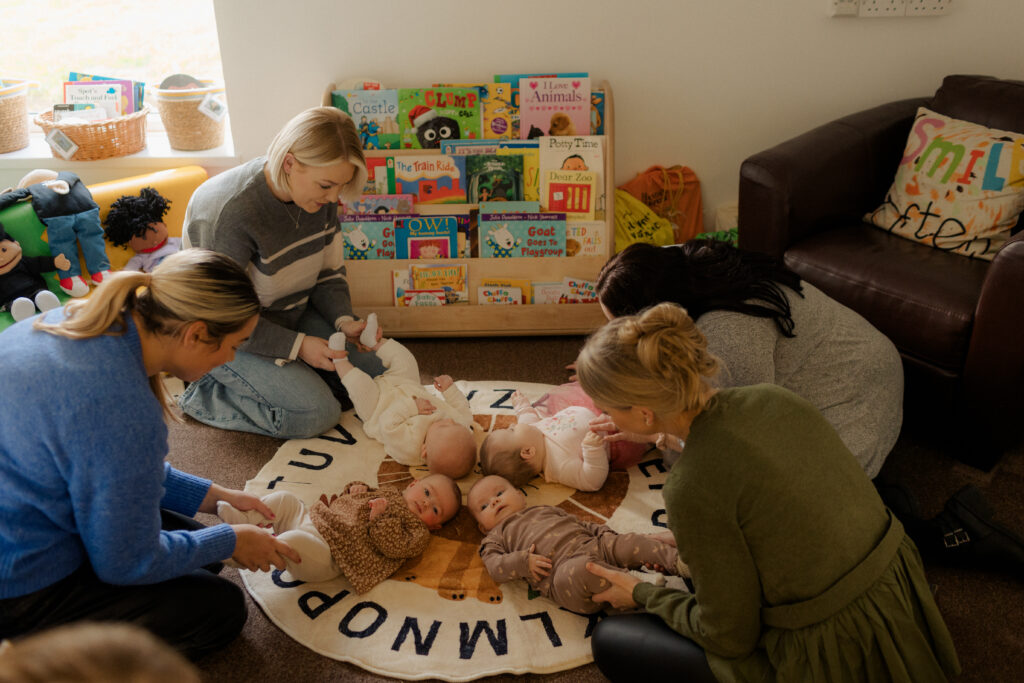
Parenting support
Meet other parents, share common milestones, and build friendships. Groups also give you the chance to speak with professionals who can offer guidance and answer your questions, helping you feel support.

Home learning environment
Encouraging your child to begin developing their emotional, social and communication skills at home.
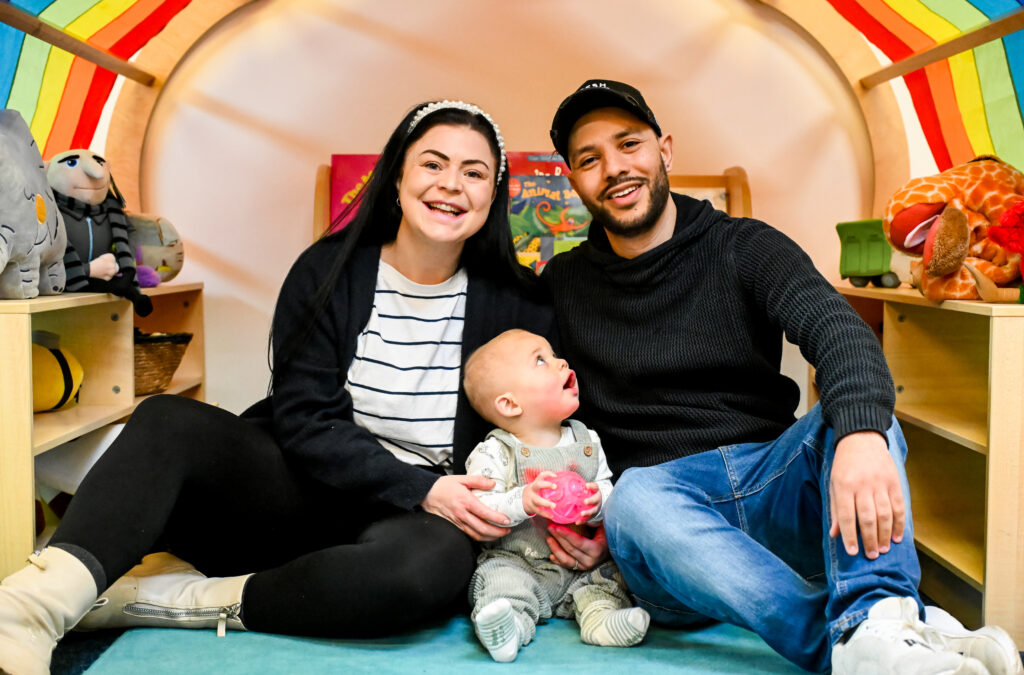
Parent and infant relationships
Life with a new baby can be challenging, and looking after your family relationships is important. Help with how to talk openly, stay connected, and handle disagreements in a positive way.
Healthy relationships benefits the whole family.
Read more
Best Start Family Hubs
Best Start Family hubs bring together services to help and support children and families.
Best Start in Life activities are available for you to attend. Enjoy meeting other families and share experiences.